

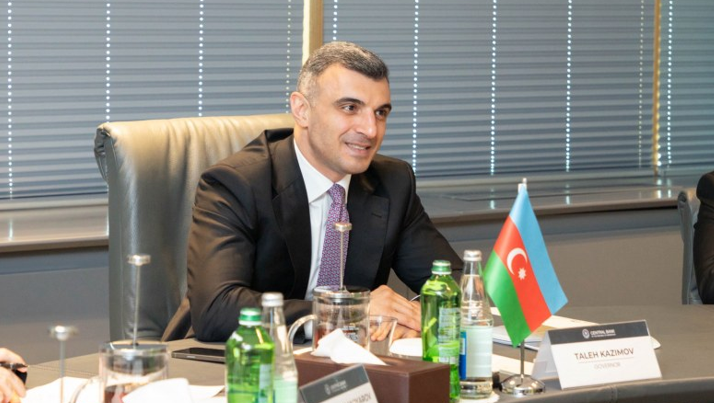





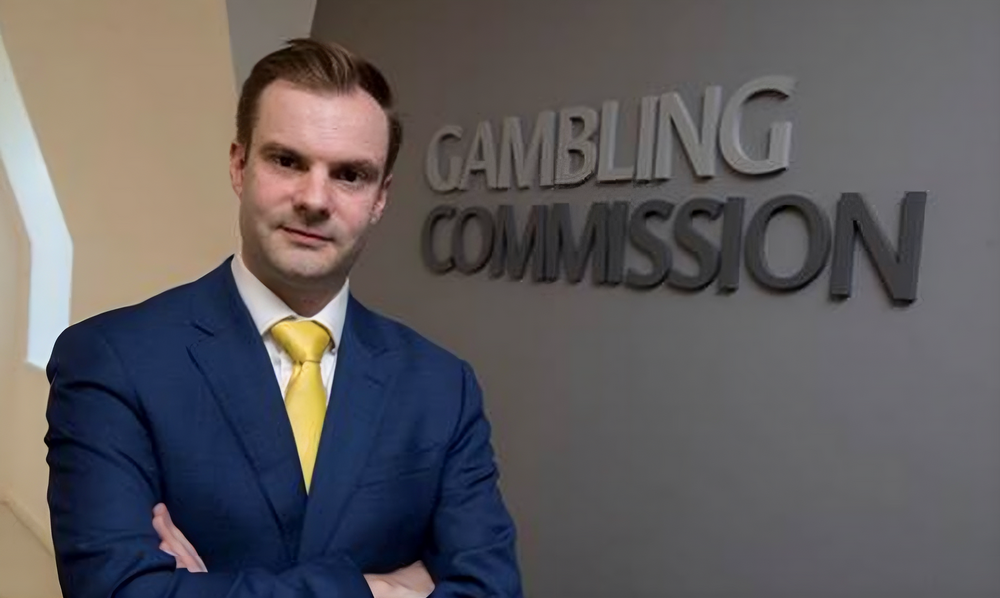
Azerbaijan intensified its crackdown on illegal gambling in 2026 after the Central Bank of Azerbaijan warned about a sharp rise in financial transactions linked to offshore betting platforms. Central Bank Governor Taleh Kazimov confirmed that millions of manats are being transferred abroad through unauthorized betting schemes, triggering a new strategy focused on financial blocking measures and AML controls aimed at protecting the country’s regulated gaming market.

Kazimov stated that gambling activities in Azerbaijan can only be conducted through licensed operators and warned that the financial system must not act as an intermediary for transfers connected to illegal gambling. Regulators identified schemes in which individuals open local bank accounts to channel deposits toward foreign sportsbook and online casino platforms. The governor also ordered stronger reporting mechanisms involving the Financial Monitoring Service, the authority responsible for anti-money laundering supervision and suspicious transaction monitoring.

State lotteries and licensed sports betting operate under the Law of the Azerbaijan Republic “About Lotteries”, originally approved on March 5, 2004, and later updated through digital reforms that entered into force in 2022. Traditional land-based casinos remain banned since 1998, although Parliament approved special legislation in 2025 authorizing integrated casino resorts exclusively on artificial islands and reclaimed territories in the Caspian Sea.
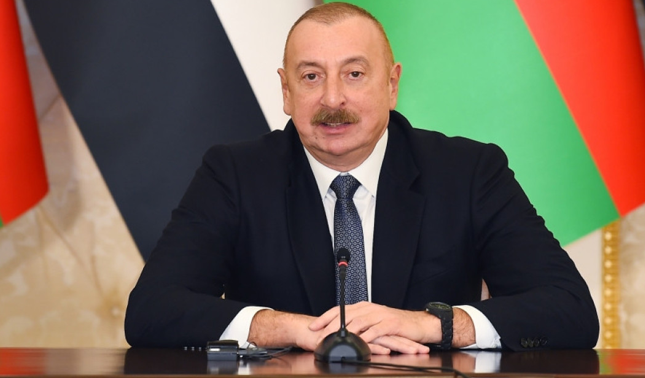
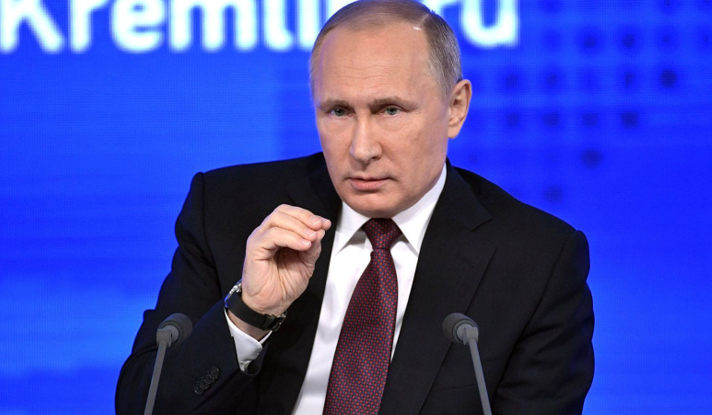
President Ilham Aliyev
The main legal operator is Azerlotereya, the state-controlled company managing lotteries and sports betting through the Misli.az brand. The operator modernized its business in 2022 through a ten-year technology partnership with Scientific Games to expand omnichannel lottery systems, digital betting and sports wagering operations.

The government of President Ilham Aliyev is now seeking to consolidate a model where gaming growth is concentrated within licensed operators, financial oversight and future integrated resort developments in the Caspian region, while the Central Bank increases pressure on banks, fintechs, payment providers and card issuers to cut financial flows toward offshore gambling platforms and unauthorized betting operators.