









Mexico and the United States have launched a cross-border investigation into a suspected online casino and financial network linked to former Interior Ministry (Segob) official Guillermo Santillán Ortega, escalating scrutiny over permits, money flows and digital gambling operations in Latin America’s second-largest market. The case, revealed in April 2026, involves Mexico’s Fiscalía General de la República (FGR) and U.S. financial intelligence through FinCEN (Financial Crimes Enforcement Network), focusing on potential illicit transfers tied to betting platforms.

The probe traces activity to sites such as CityBets and CrownCity, alongside corporate structures including Controladora de Inversiones y Promociones del Sureste and Operadora Megasport, with reported operations across Mexico and other Latin American jurisdictions. Authorities are examining whether these platforms operated without valid licenses or outside Mexico’s regulatory framework, where gambling remains tightly controlled by the state.
The legal backbone is the Federal Law of Games and Sweepstakes (1947), which is still in force, which establishes a general prohibition on gambling unless explicitly authorized by the government. Oversight falls under the Ministry of the Interior (Segob) through the General Directorate of Games and Sweepstakes (DGJS). As of April 2026, Segob is led by Rosa Icela Rodríguez, who has held the position since October 1, 2024, under President Claudia Sheinbaum . Rodríguez has publicly pushed for a structural reform of the 1947 law to address online gambling expansion and tighten controls on permits and illicit activity .
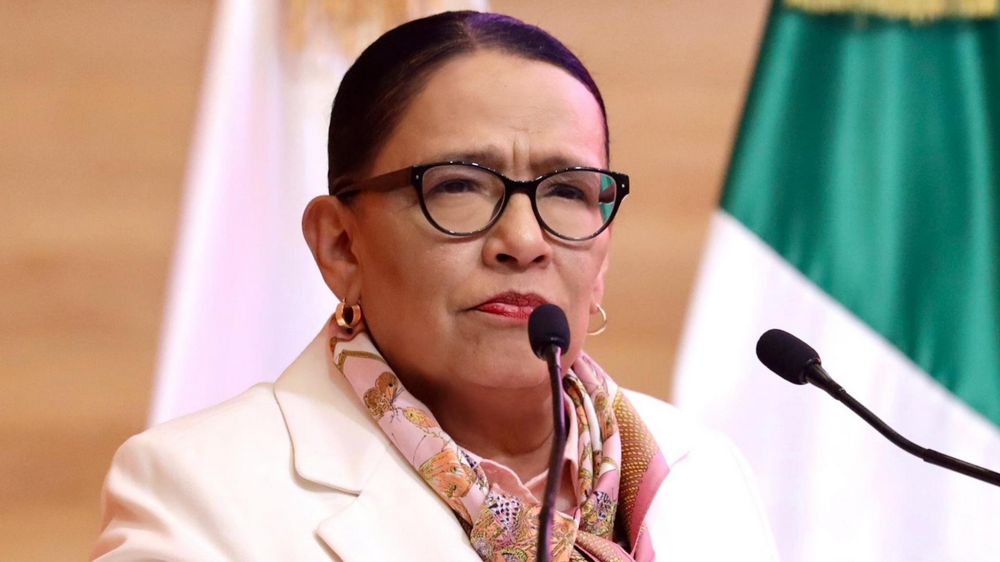
Rosa Icela Rodríguez
The investigation also intersects with the business network of the Bermúdez Requena family, linked in reports to diversified operations including betting, construction and energy, expanding the scope toward beneficial ownership and corporate structures.

Hernán Bermúdez Requena
Mexico’s online gambling sector is estimated at approximately US$970 million in 2026, with projections reaching US$1.96 billion by 2031, driven primarily by sports betting and mobile channels. At the same time, enforcement has intensified, 13 casinos were financially blocked in November 2025 over alleged money laundering, while U.S. authorities sanctioned 27 entities tied to the sector.

Mexico is moving from fragmented oversight to coordinated financial, criminal and regulatory enforcement, with direct cooperation from U.S. authorities. The next phase points to tighter control over digital platforms, stricter permit reviews and a broader crackdown on illicit capital flows across the gambling ecosystem.