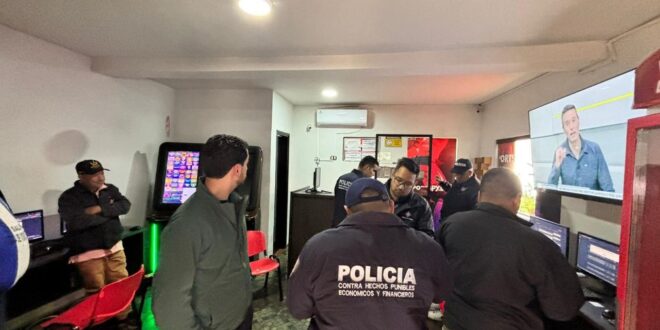








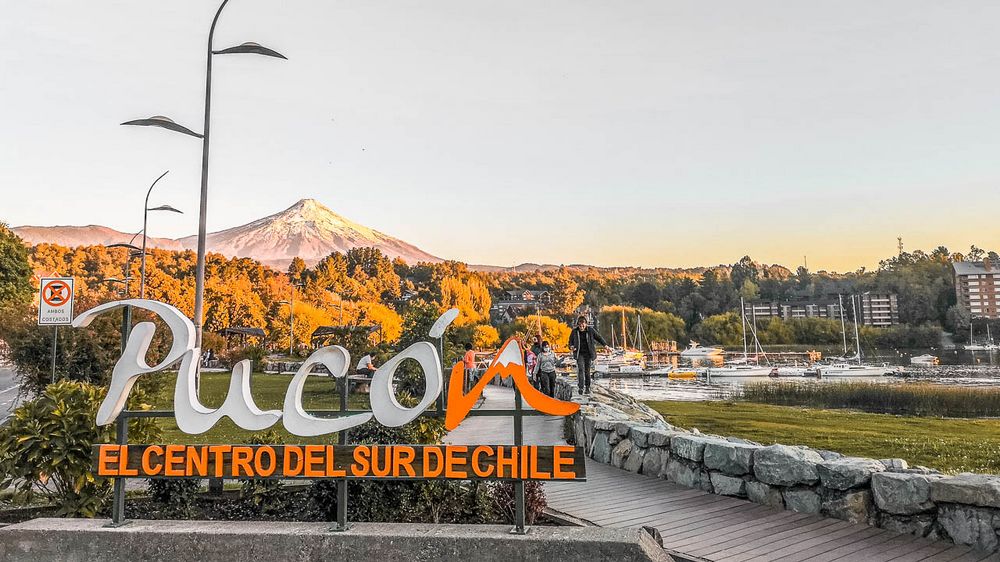
Chile has launched a new competition for casino operating permits in Pucón and Coquimbo, two strategic tourism and gaming markets that became available after the early exit of companies linked to Enjoy. The process is being led by the Superintendencia de Casinos de Juego under the framework of Law No. 19.995, the legislation governing casino authorization, operation and supervision in Chile.

Among the new entrants are Casino Volcán Pucón S.A. and Casino de Juegos de Coquimbo S.A., entities specifically created to compete for 15-year operating licenses. In Coquimbo, the process includes participation from private investment fund FIP Octium, managed by asset manager Alza, while Pucón’s bid structure includes former Enjoy finance executive Andrés Raggio Guerrero.
What is it and what Enjoy’s early resignation of the casinos of Coquimbo and Pucón implies
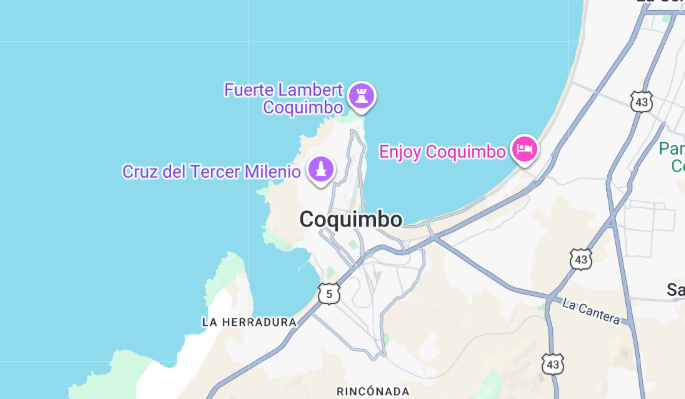
The SCJ officially opened the licensing process on February 3, 2026, after Chile’s Casino Resolution Council approved in 2025 the early surrender of permits operated by Casino de la Bahía S.A. and Casino del Lago, both associated with Enjoy. Under Chilean regulation, operators that renounce a permit cannot reapply for the same gaming license, creating genuine competitive space for new investors.
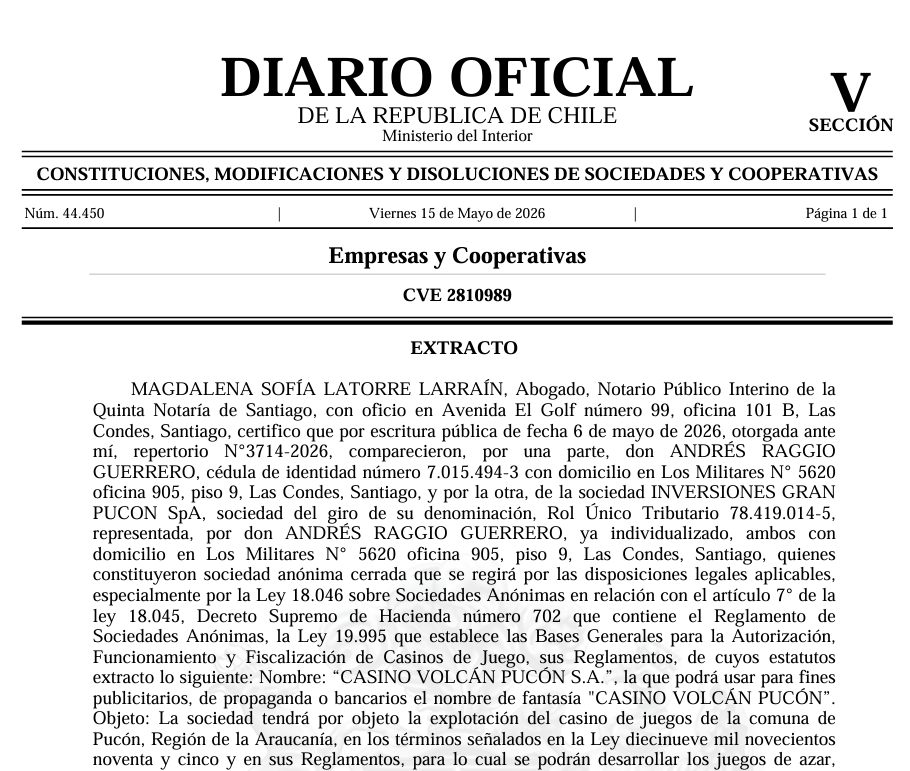
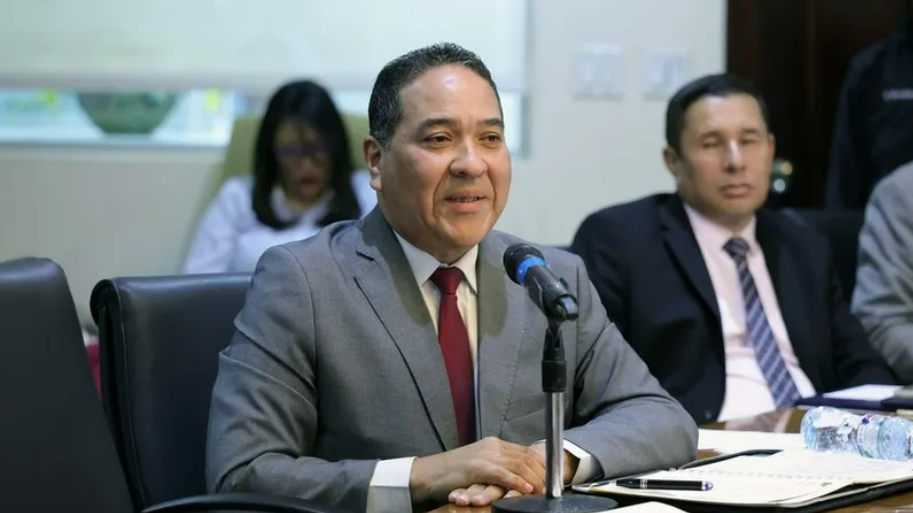
The regulator is currently headed by superintendent Eduardo Cáceres Guzmán, while casino licenses are granted through a technical and economic bidding process supervised by the SCJ and evaluated by the Casino Resolution Council, which includes representatives from the Ministry of Finance, tourism authorities, regional governments and financial regulators.

Chile’s regulatory framework requires applicants to be Chilean closed corporations exclusively dedicated to casino operations with minimum capital equivalent to 10,000 UTM. The official hearing for technical and financial bids is scheduled for August 11, 2026.

The 22 casinos operating under Law No. 19.995 generated approximately CLP 509.826 billion in gross gaming revenue during 2025 and contributed around CLP 194.214 billion in gaming taxes. The Coquimbo and Pucón operations alone are projected to generate more than CLP 56 billion in fiscal contributions over the coming years, reinforcing gaming’s role as a driver of tourism, regional employment and private investment in Chile.