













Italy will activate a new centralized system for resolving disputes between players and online gambling operators on September 10, 2026, strengthening direct oversight by the Agenzia delle Dogane e dei Monopoli (ADM) under the country’s new remote gambling licensing framework.

The mechanism, called Portale delle segnalazioni, was formally announced by ADM on August 3, 2026. Players will still be required to submit their complaint to the operator first, but the licensee will have 72 business hours to respond. If no response is provided or the proposed solution is considered inadequate, the customer will be able to escalate the case directly to the regulator through the portal.
- Italy advances land-based gaming reform as EU targets online betting taxes

Giancarlo Giorgetti
ADM will be able to review the case, request additional information from the operator and require another response within 72 hours. If contractual or regulatory breaches are detected, the agency may issue operational instructions or initiate proceedings under the licensing regime. Once ADM closes a case with a final response, the same complaint cannot be resubmitted through that channel.
Access will require authentication through SPID, Italy's Public Digital Identity System, or CIE, the Electronic Identity Card, together with identification of the gaming account and licensee involved. The system is designed to ensure traceability, prevent anonymous complaints and allow ADM to identify recurring complaint patterns involving individual operators.
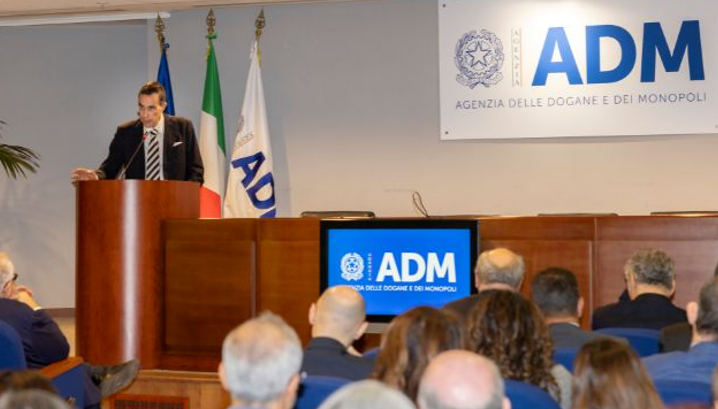
The reform is based on Legislative Decree No. 41 of March 25, 2024, which reorganized Italy's public gambling market and provided the foundation for the new online licensing system. The portal does not require another parliamentary vote: it is now at the administrative and contractual implementation stage. ADM is headed by Roberto Alesse, while the Ministry of Economy and Finance (MEF) is led by Giancarlo Giorgetti. The agency is also working with SOGEI, the state-controlled technology company overseen by MEF and headed by Claudio Teodoro Costa, on a future digital protection system designed to strengthen cybersecurity and restrict access to unauthorized operators.

The new online framework has already awarded 48 concessions, each costing €7 million, representing approximately €336 million in initial licensing fees. The reform also highlights a two-speed regulatory landscape in Italy. While online gambling moves forward with new licenses, digital controls and dispute resolution, the reorganization of land-based gambling has been postponed after negotiations between MEF and the autonomous regions failed to produce an agreement, pushing further talks toward 2027.