









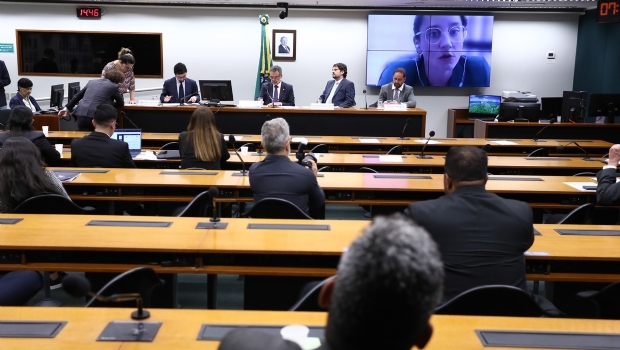
The Brazilian government is advancing the consolidation of its regulatory framework for the fixed-odds betting market, one of the fastest-growing digital entertainment sectors in Latin America.
According to regulatory estimates, the Brazilian betting market generated more than US$7 billion in gross gaming revenue in 2025, its first full year under regulation, with around 79 authorized operators and more than 25 million active players, representing nearly 15% of the country’s adult population.
In this context, the Secretariat of Prizes and Betting (SPA) within the Ministry of Finance recently presented new federal responsible gaming guidelines during a sector meeting held in Salvador, Bahia, which brought together around 1,000 professionals involved in customer service and sector regulation.

The session was led by Daniele Correa Cardoso, deputy secretary of the SPA, alongside Andiara Maria Braga Maranhão, general coordinator for responsible gaming monitoring. During the meeting, officials explained the legal architecture that structures Brazil’s newly regulated betting market.
The regulatory framework originates with Law No. 13,756/2018, which first authorized fixed-odds sports betting in Brazil. Later, Law No. 14,790/2023 expanded the legal system by establishing more detailed rules regarding authorization, supervision and operation of betting platforms, consolidating a regulated model under federal oversight.

One of the central pillars of the system is Ordinance SPA/MF No. 1,231/2024, composed of 60 articles, which establishes responsible gaming guidelines, rules for advertising and marketing, and the rights and obligations of both operators and bettors. Mandatory measures include deposit, time and loss limits, mechanisms for temporary or permanent self-exclusion, monitoring of player behavior and educational campaigns aimed at preventing gambling addiction.
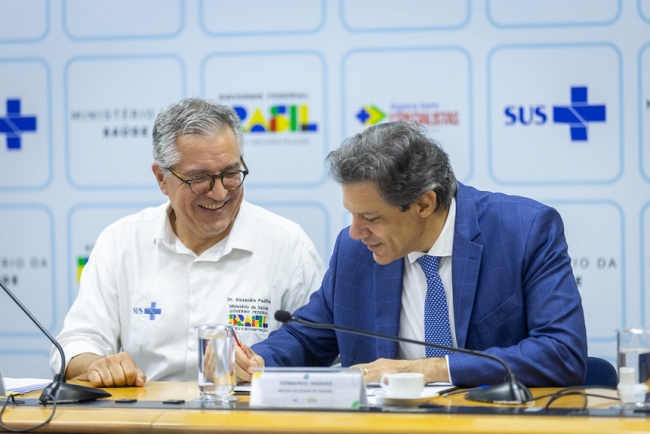
The regulation is complemented by additional measures introduced in 2024, including Ordinance No. 827/2024, which sets out the requirements for obtaining operating licenses — including an authorization fee of R$30 million for a five-year period — along with provisions on supervision, anti-money laundering controls, technological certification and sanction mechanisms.
Through these measures, the Brazilian government aims to consolidate a regulated betting market that balances economic growth, consumer protection and institutional oversight within an industry that has rapidly become one of the most dynamic segments of the digital entertainment sector in the region.