















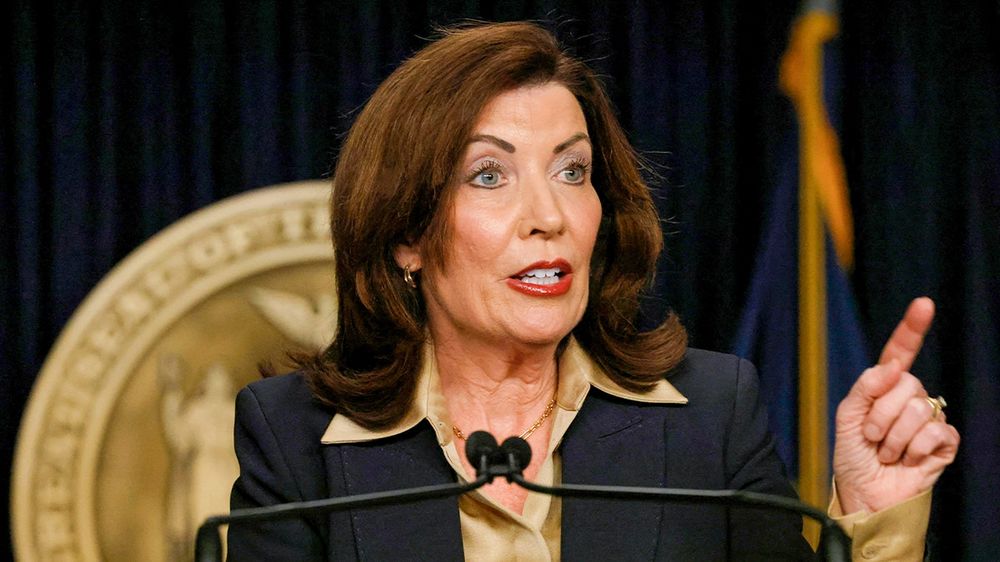
New York State escalated its regulatory strategy by combining public health and market control through two consecutive moves; on April 29, 2026, Governor Kathy Hochul launched a 10-year statewide study on gambling addiction; on April 30, State Senator Jeremy Zellner introduced Senate Bill S10153 to create a task force to analyze prop bets. Together, both actions signal a structural shift in the largest betting market in the United States.

The study will be executed by the New York State Office of Addiction Services and Supports, led by Chinazo Cunningham, aiming to measure addiction prevalence, gambling behavior patterns and treatment needs among adults aged 18 and over. The underlying data trend is clear: gambling-related calls increased from 2,345 in 2020 to 3,064 in 2024, while a prior statewide survey identified 4.4% of players at risk and 0.7% in problem or pathological categories.
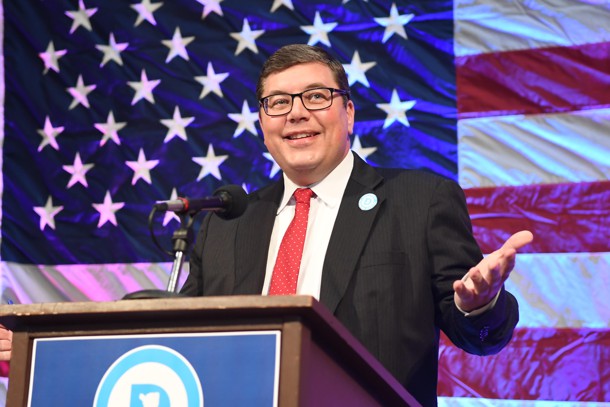
Senator Jeremy Zellner
The bill S10153 proposes a technical unit within the Rockefeller Institute of Government to assess prop bets, with a specific focus on “under bets,” defined as wagers that an athlete will perform below a statistical threshold. The bill sets a clear timeline with appointments before July 1, 2026, and a final report by December 31, 2026, opening the door to future restrictions or redesign of this segment.
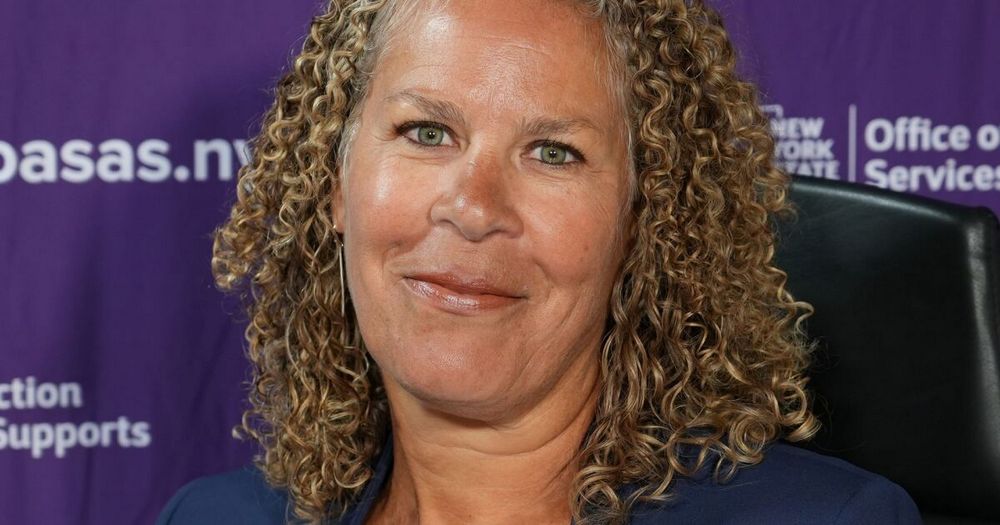
Chinazo Cunningham
Both initiatives operate within the framework of the New York Racing Pari-Mutuel Wagering and Breeding Law, enforced by the New York State Gaming Commission, chaired by Brian O’Dwyer with Robert Williams overseeing operations.

Brian O’Dwyer
New York generated approximately $26.3 billion in handle, $2.55 billion in gross gaming revenue and around $1.32 billion in tax revenue in 2025, with a 51% tax rate, the highest in the U.S. This volume makes any regulatory adjustment a direct lever on revenue, marketing and user acquisition.
The state is moving from revenue maximization to risk optimization. For operators such as DraftKings, FanDuel and BetMGM, the outlook implies tighter data compliance, behavioral monitoring, product controls and potential restrictions on sensitive betting markets such as prop bets, as regulators seek to address addiction risks, protect sports integrity and preserve tax flows under increasing scrutiny.