










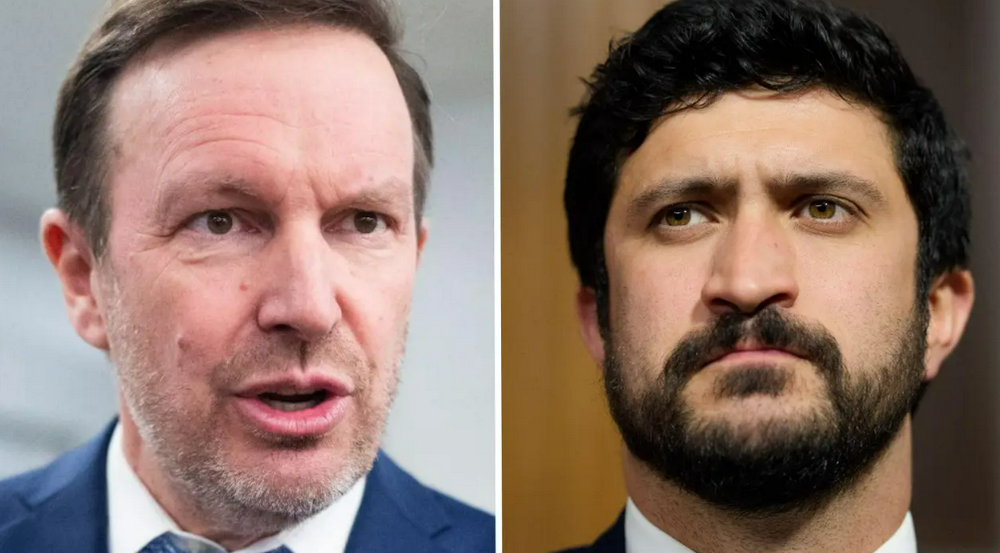
The U.S. prediction markets business entered a tougher regulatory week on March 17, after Senator Chris Murphy and Representative Greg Casar introduced the Banning Event Trading on Sensitive Operations and Federal Functions (BETS OFF) Act, a bill aimed at prohibiting contracts tied to government actions, terrorism, war, assassination, and events in which an individual knows or controls the outcome. The proposal also seeks to hit offshore operators by strengthening payment-blocking tools and imposing criminal penalties on people in the U.S. who promote or manage such platforms domestically.

The bill arrives amid mounting concern in Washington that some event contracts are too vulnerable to insider knowledge and manipulation. Murphy’s office cited suspicious trading ahead of the Iran strikes and the Venezuela operation involving Nicolás Maduro, arguing that these markets can create both ethical and public-trust risks when users with privileged information appear able to profit from state action. Reuters noted that the BETS OFF Act is only one of several efforts now moving on Capitol Hill to rein in the fast-growing sector.
The pressure is no longer coming only from lawmakers. On March 12, the CFTC’s Division of Market Oversight issued a formal advisory reminding designated contract markets of their obligations under the Commodity Exchange Act, with specific attention to event contracts and sports-related listings. The same regulatory wave also includes a broader CFTC advance notice of proposed rulemaking, with public comments due by April 30, 2026, signaling that Washington is actively reconsidering where the line between derivatives innovation and gambling risk should be drawn.
At the state level, the conflict has become even sharper. On the same day Murphy and Casar unveiled the bill, Arizona Attorney General Kris Mayes filed criminal charges against Kalshi, accusing the company of operating an illegal gambling business without a license and offering prohibited election wagers to Arizona residents. The complaint says Kalshi accepted bets on sports, player props and political races, underscoring the widening clash between federal oversight and state gambling enforcement.
What makes the debate more urgent is scale. According to Business Insider, Kalshi handled more than $105 million in trading on this year’s Oscars, up from roughly $30 million the year before. That surge shows why prediction markets are no longer a niche product — and why lawmakers are now moving to define which categories can survive and which ones may be deemed too easy to rig.