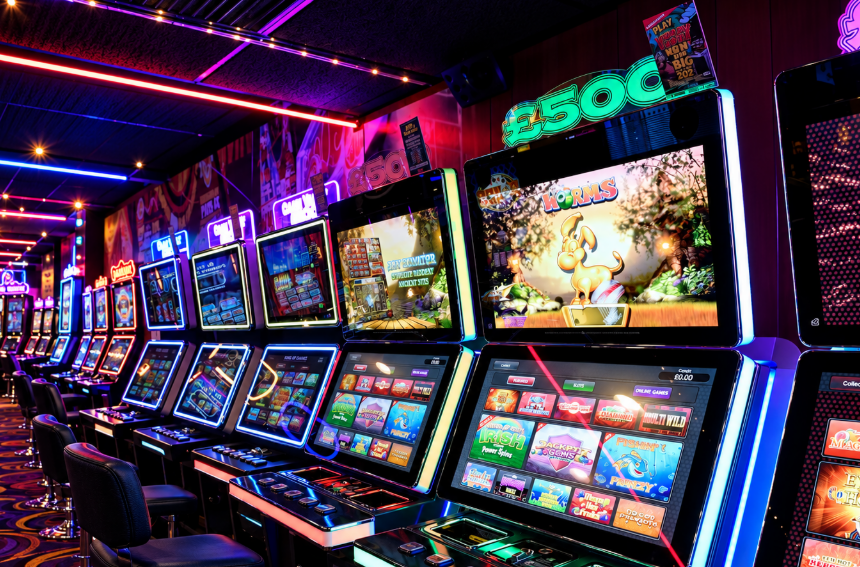








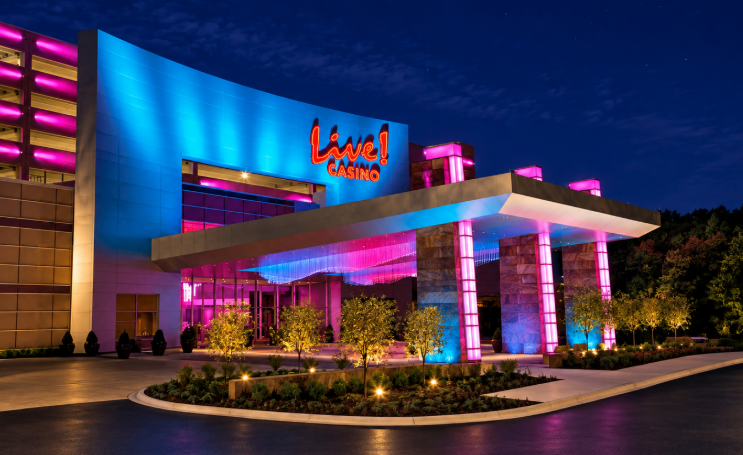

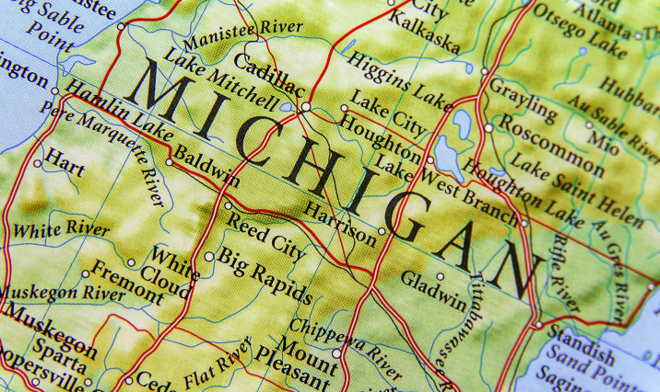
Michigan consolidated one of the strongest gaming ecosystems in the United States in 2026 after recording approximately US$4.37 billion in gaming revenue during 2025 while simultaneously rejecting a tax increase that would have directly impacted iGaming and online sports betting. The move strengthens the narrative of regulatory stability and sustained growth surrounding the state’s digital and land-based gaming market.

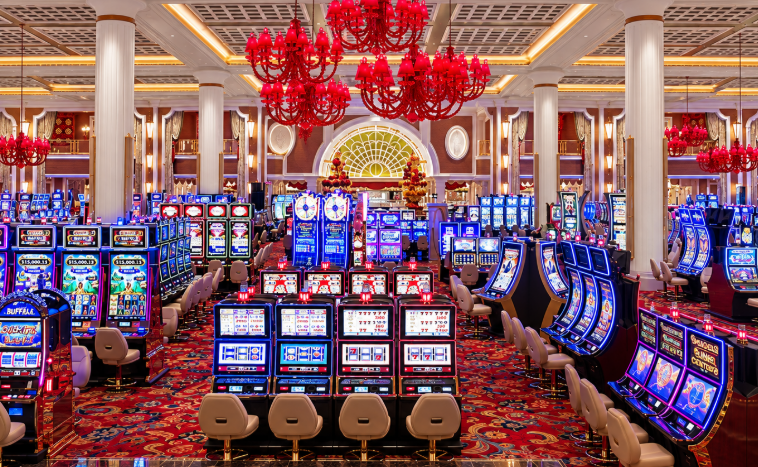
Figures released by the regulated ecosystem show the scale of the business; Detroit’s land-based casinos, online sportsbooks and digital casino platforms continue expanding user volume, traffic and state tax revenue under the supervision of the Michigan Gaming Control Board (MGCB), the regulator created under the Michigan Gaming Control and Revenue Act of 1997. The agency is led in 2026 by executive director Henry Williams and operates under Governor Gretchen Whitmer’s administration.

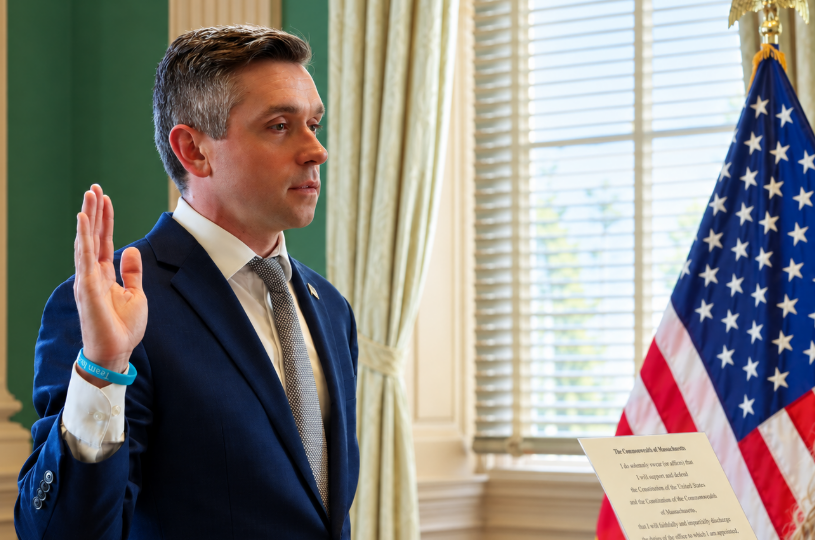
Henry Williams
The expansion of online gaming in Michigan is also supported by the Lawful Internet Gaming Act of 2019, legislation that legalized online casinos, digital poker and mobile sports betting, opening the market to national and international operators beginning in January 2021. Since then, Detroit has strengthened its position as a strategic regional gaming hub, integrating land-based casinos, entertainment, tourism and digital gaming platforms into a single economic ecosystem.
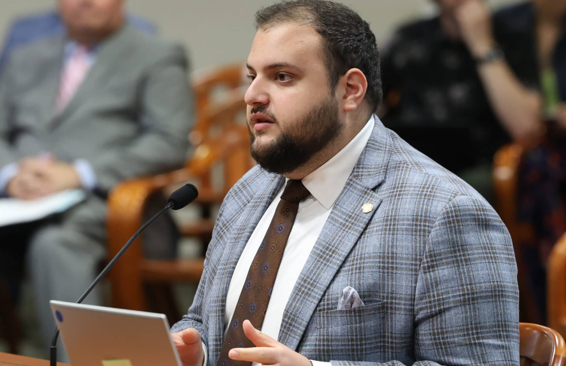
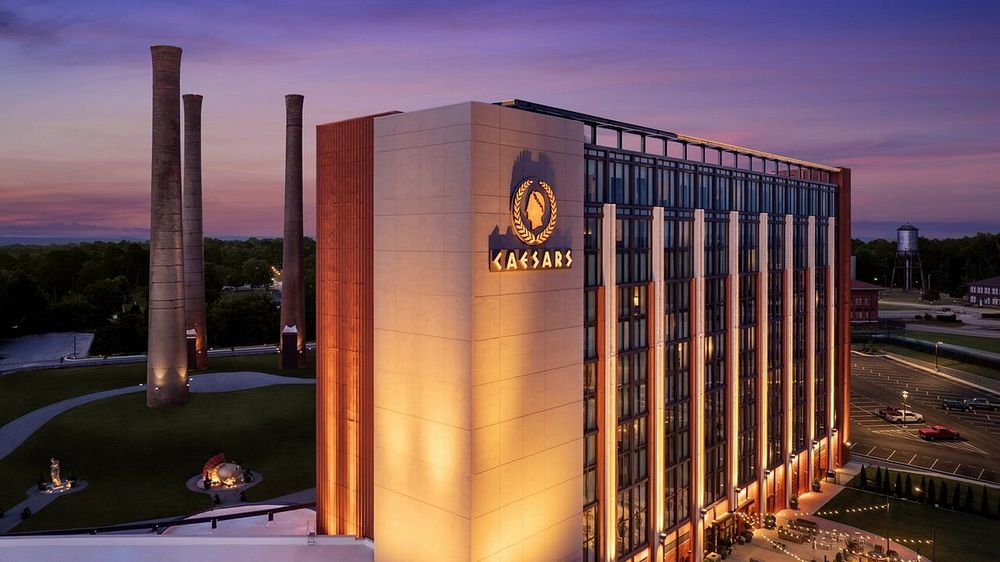
Alabas Farhat
State lawmakers rejected during the 2026 budget cycle a proposal aimed at increasing taxes on digital operators and sports books. The initiative was primarily pushed by Democratic Representative Alabas Farhat and sectors of the progressive caucus concerned about increasing public revenue from the rapid expansion of online gaming.

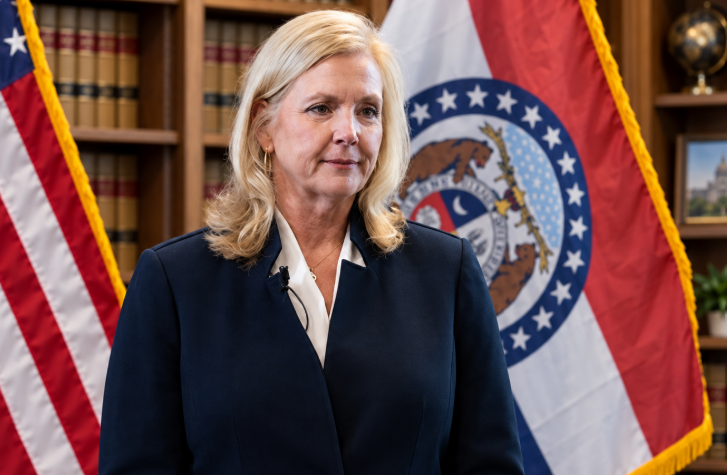
Gretchen Whitmer
However, operators, analysts and bipartisan political sectors warned that higher taxes could damage competitiveness against markets such as New Jersey and Pennsylvania, reduce technological investment and benefit offshore or illegal platforms. The proposal ultimately lost political support in Lansing and failed to advance through the legislative process.
The result is being interpreted by the sector as a positive signal for the future of gaming in Michigan. The market is now expected to continue expanding online poker, omnichannel integration between retail and digital casinos, gaming-related fintech payment systems, AML and KYC controls, and tourism-driven gaming activity centered around Detroit as a regulated entertainment and betting hub in North America.