














Connecticut has taken another step toward strengthening its regulated betting and iGaming market after lawmakers approved HB 5229 — An Act Concerning Gaming, a reform package focused on advertising controls, consumer protection and prediction market oversight within one of the most advanced digital gaming ecosystems in the United States.

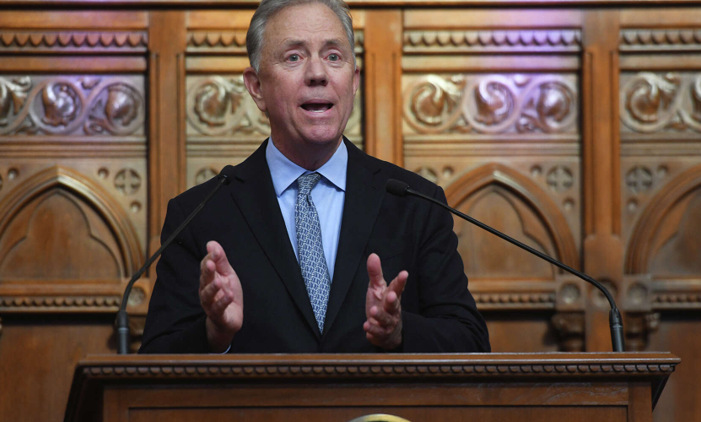
The bill passed with overwhelming political support, clearing the House of Representatives by a 145-4 vote and the Senate by 32-1 after advancing through committee with an 18-2 result. The legislation now heads to Governor Ned Lamont, who has 15 days to sign, veto or allow it to become law automatically.

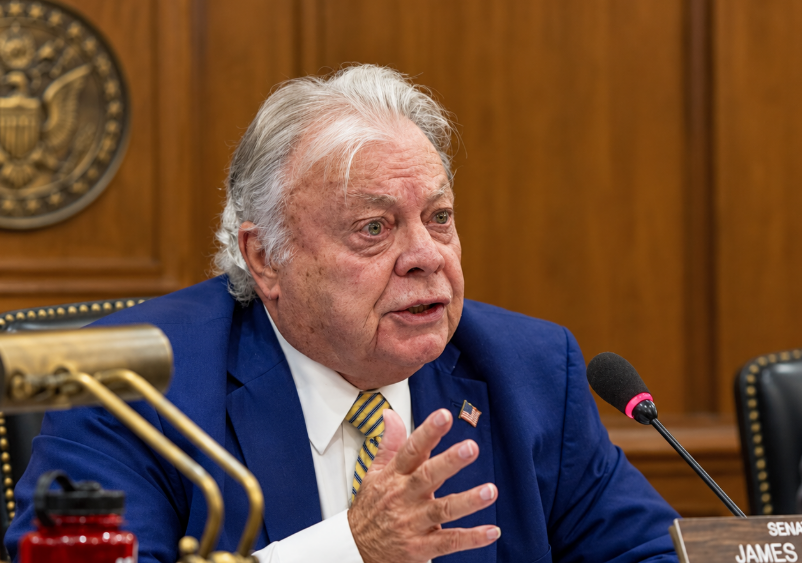
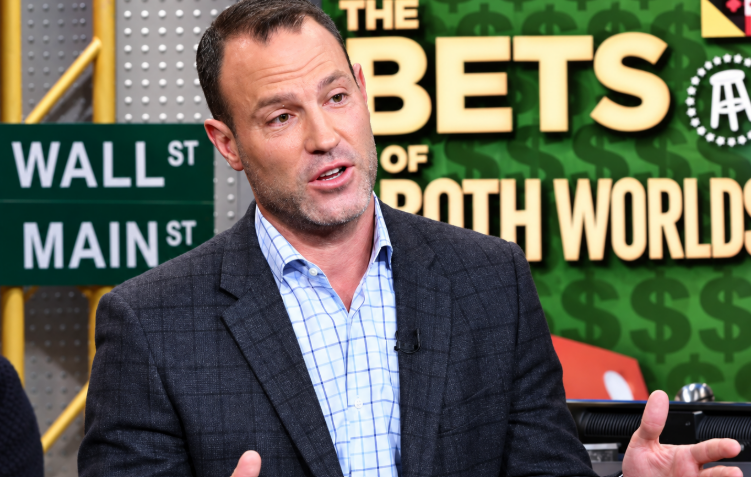
Craig Fishbein
The initiative was backed by the General Law Committee alongside lawmakers including Craig Fishbein, William Heffernan, Nick Menapace and Cristin McCarthy Vahey. The reform updates operational standards under Public Act 21-23, the law that legalized online sports betting, online casino gaming and fantasy contests in Connecticut in 2021.

Nick Menapace
HB 5229 restricts gambling advertising inside university athletic venues and digital platforms controlled by higher education institutions, requires operators to maintain toll-free customer service phone lines and orders a formal state study on prediction markets, including their impact on underage users, problem gambling risks, operator revenue and regulatory exposure.
Oversight remains under the Connecticut Department of Consumer Protection, led by Commissioner Bryan T. Cafferelli, while the Gaming Division continues under Kristofer Gilman.
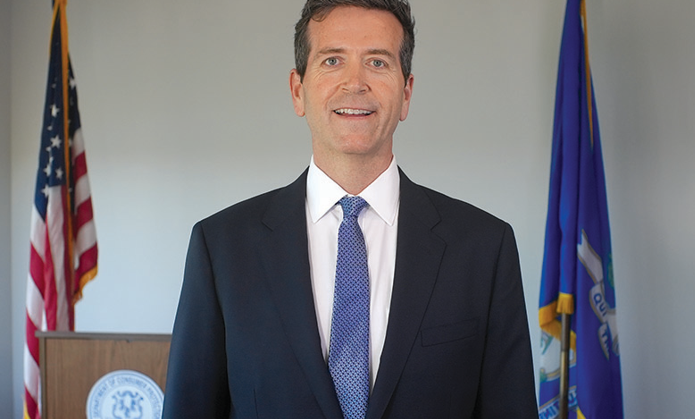
Commissioner Bryan T. Cafferelli
Connecticut currently applies to a 13.75% tax on sports betting revenue and 18% on iGaming revenue, rising to 20% in later years. Since the regulated digital market launched in 2021, the state has generated more than US$244 million in public revenue from online gambling while operators processed nearly US$45 billion in cumulative betting handle.

The reform also positions Connecticut for tighter oversight of prediction markets and unlicensed operators, area regulators increasingly view as critical to protecting tax revenue, state control and long-term stability of the legal online gaming market.