



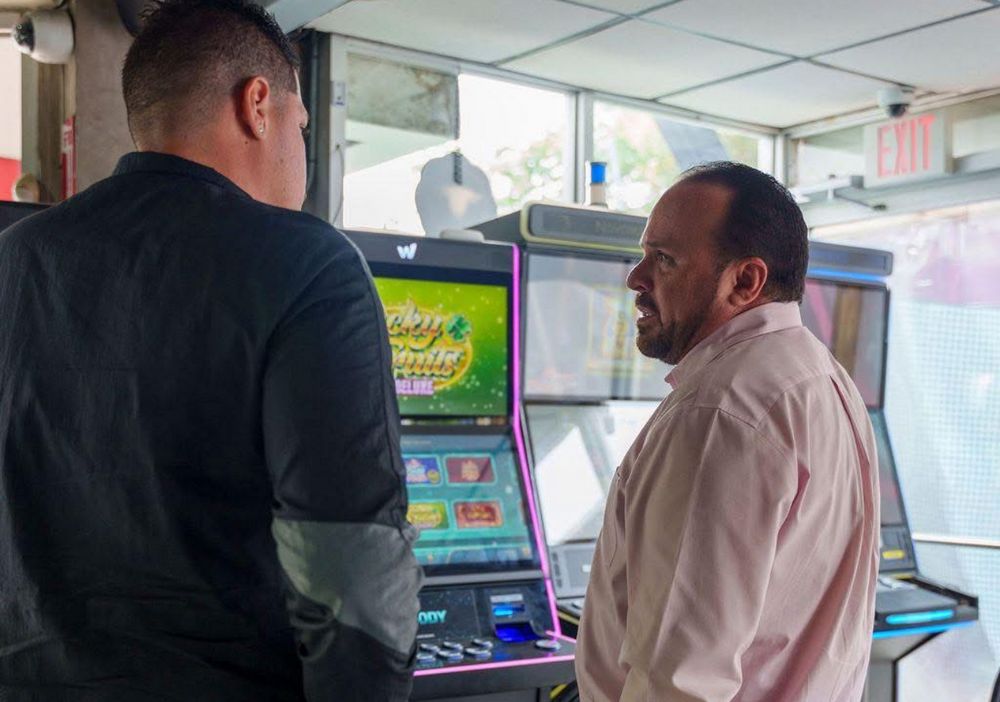
Paraguay’s gaming industry posted its strongest monthly performance of 2026 in May, reinforcing the impact of the country’s most significant gambling reform in decades. The National Gaming Commission (Conajzar) reported revenue of G. 19.632 billion (US$3.2 million) during May, representing a 4.8% increase compared with the same month in 2025 and marking the highest monthly collection recorded so far this year.

Figures published by the National Directorate of Tax Revenue (DNIT) show that cumulative revenue between January and May reached G. 96.244 billion (US$15.7 million), exceeding the G. 90.480 billion collected during the same period of 2025 by 6.3%. Monthly collections followed a steady upward trend: January G. 18.715 billion, February G. 18.022 billion, March G. 18.316 billion, April G. 19.301 billion, and May G. 19.632 billion.
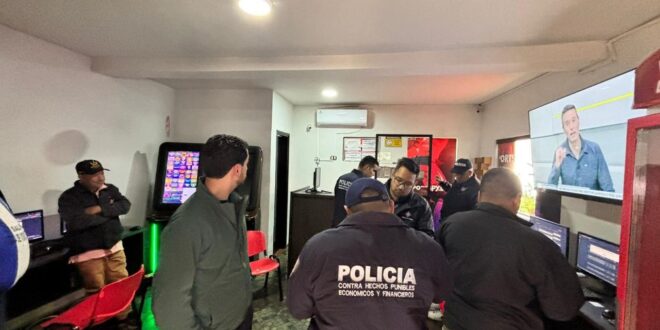
Behind these results is the structural transformation introduced by Law No. 7438/2025, which amended the long-standing Gaming Law No. 1016/1997. The reform dismantled the historical monopoly framework in several gaming verticals, allowing up to three operators per gaming modality, while also integrating Conajzar into the DNIT structure to strengthen oversight, transparency and tax enforcement.

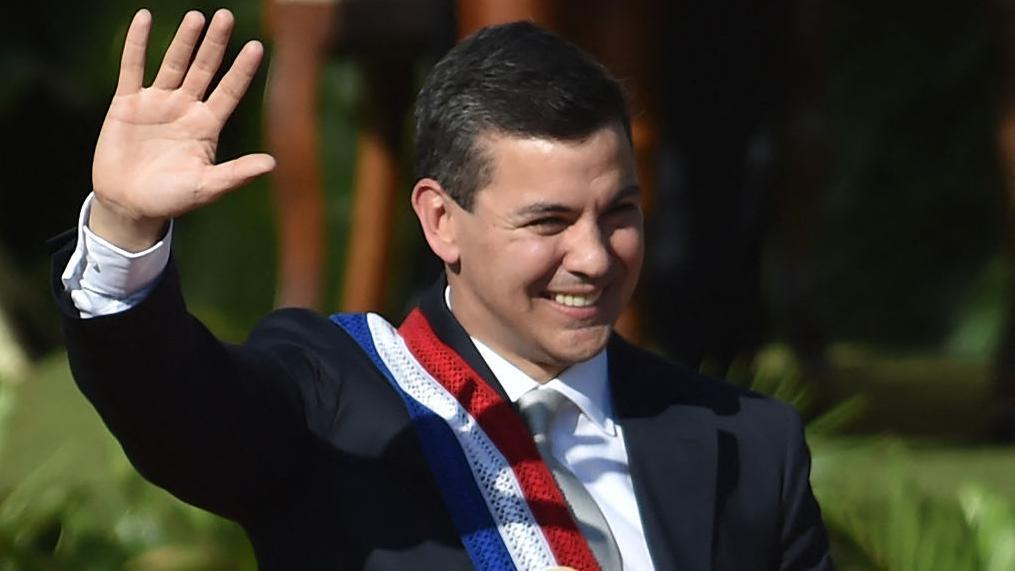
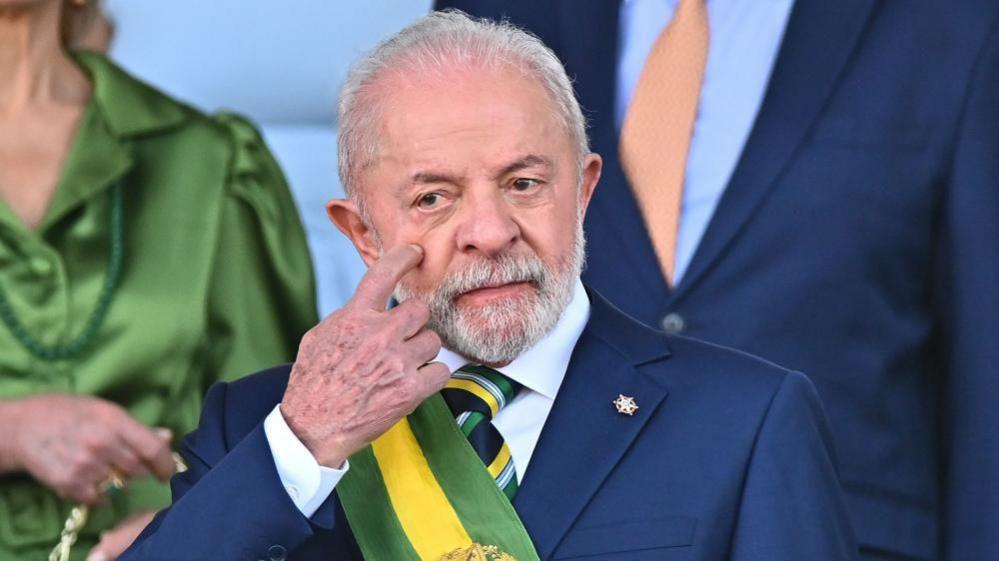
President Santiago Peña
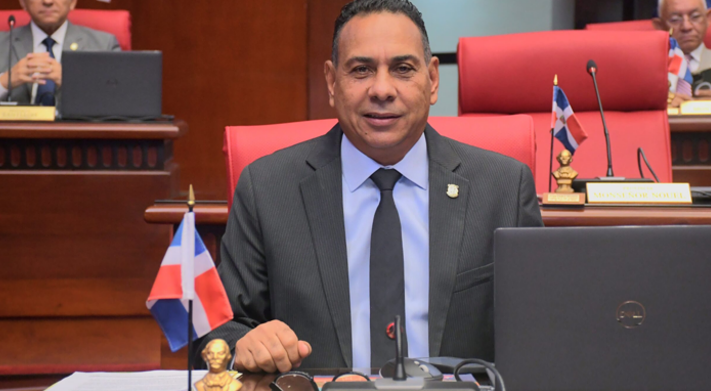
The process is currently led by Roxana Carolina del Río Villalba, Interim President of Conajzar; who assumed the role after Carlos Liseras Osorio transitioned to the Senate, alongside Óscar Orué, Director of the DNIT. One of the most significant developments occurred in the lottery and quiniela segment after President Santiago Peña signed Decree No. 5971 on May 4, 2026, authorizing new concessions for Daruma Sam S.A., Caproni S.A., Dataforge S.A., and Technologies Development of Paraguay S.A. (TDP S.A.), formally ending a historically concentrated operating model.

The reform is designed to increase competition, attract private investment, improve operational traceability and boost public revenue generated by the gaming sector. The concession fees collected by Conajzar are directed toward government programs and constitute an important source of public funding. With cumulative revenue up 6.3% and May establishing a new annual record, Paraguay is beginning to show the first measurable financial results of a more open, competitive and closely supervised gaming market.