





Two developments announced this week in Iowa and Ohio highlight the direction of the U.S. regional gaming industry: less dependence on traditional casino revenue and greater investment in hospitality, entertainment and destination experiences designed to increase visitor length of stay and spending. While Rhythm City Casino Resort is celebrating a decade of land-based operations in Davenport, Hollywood Casino Columbus has opened a state-of-the-art hotel following years of planning and construction.

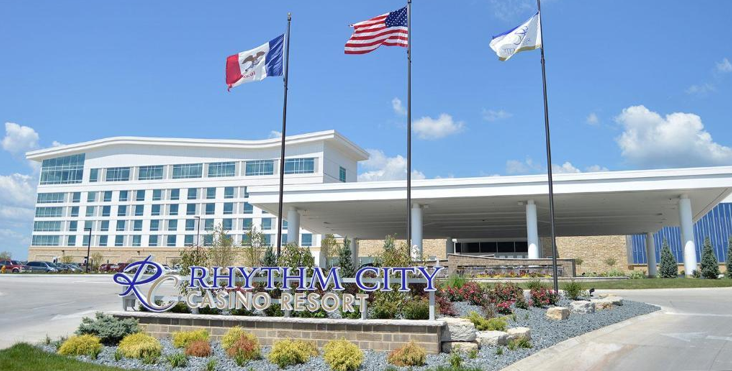
In Iowa, Rhythm City Casino Resort, owned by Elite Casino Resorts, marked the tenth anniversary of its land-based property, which officially opened on June 16, 2016. The project replaced the company’s former riverboat casino operation and transformed the venue into a full-scale integrated resort in Davenport.

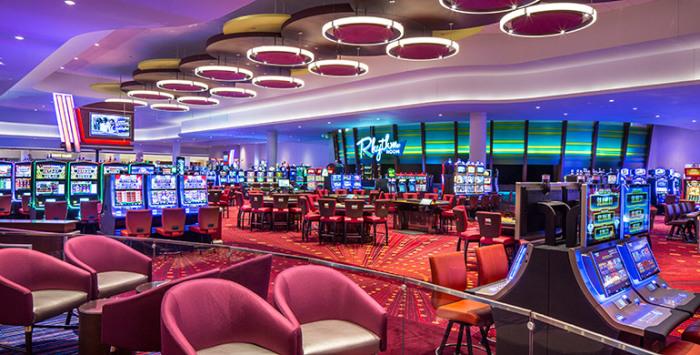
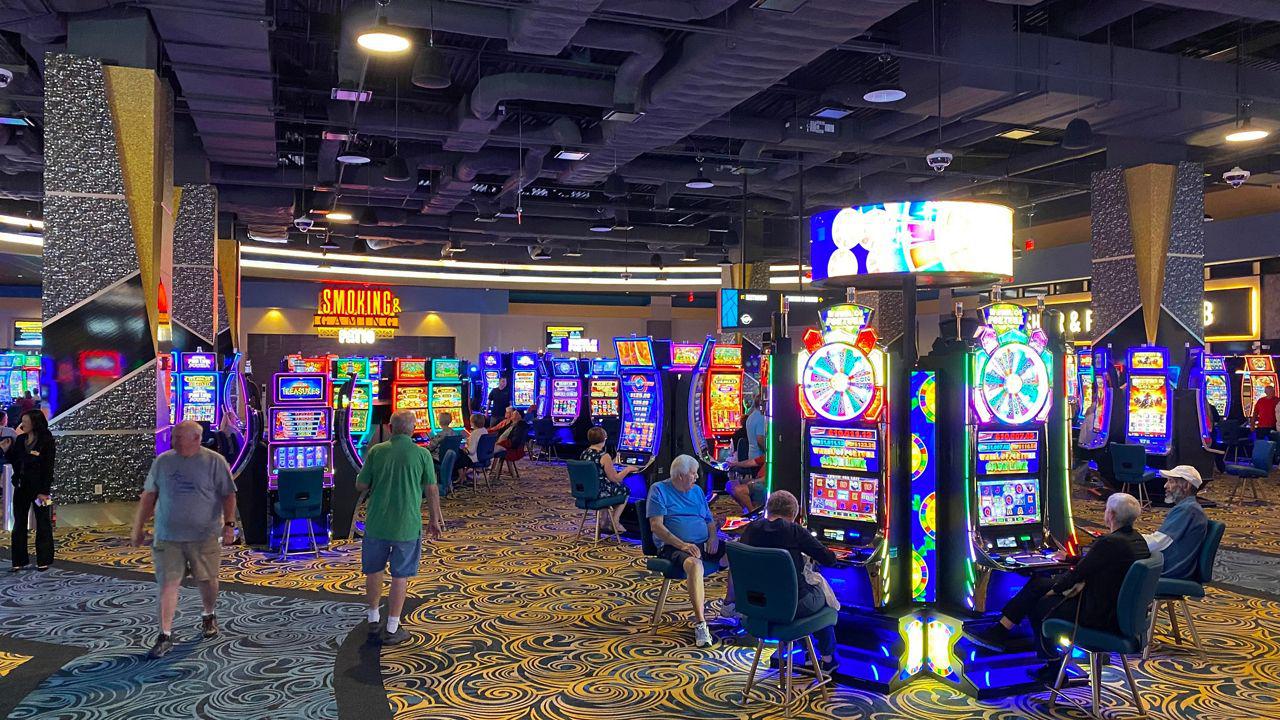
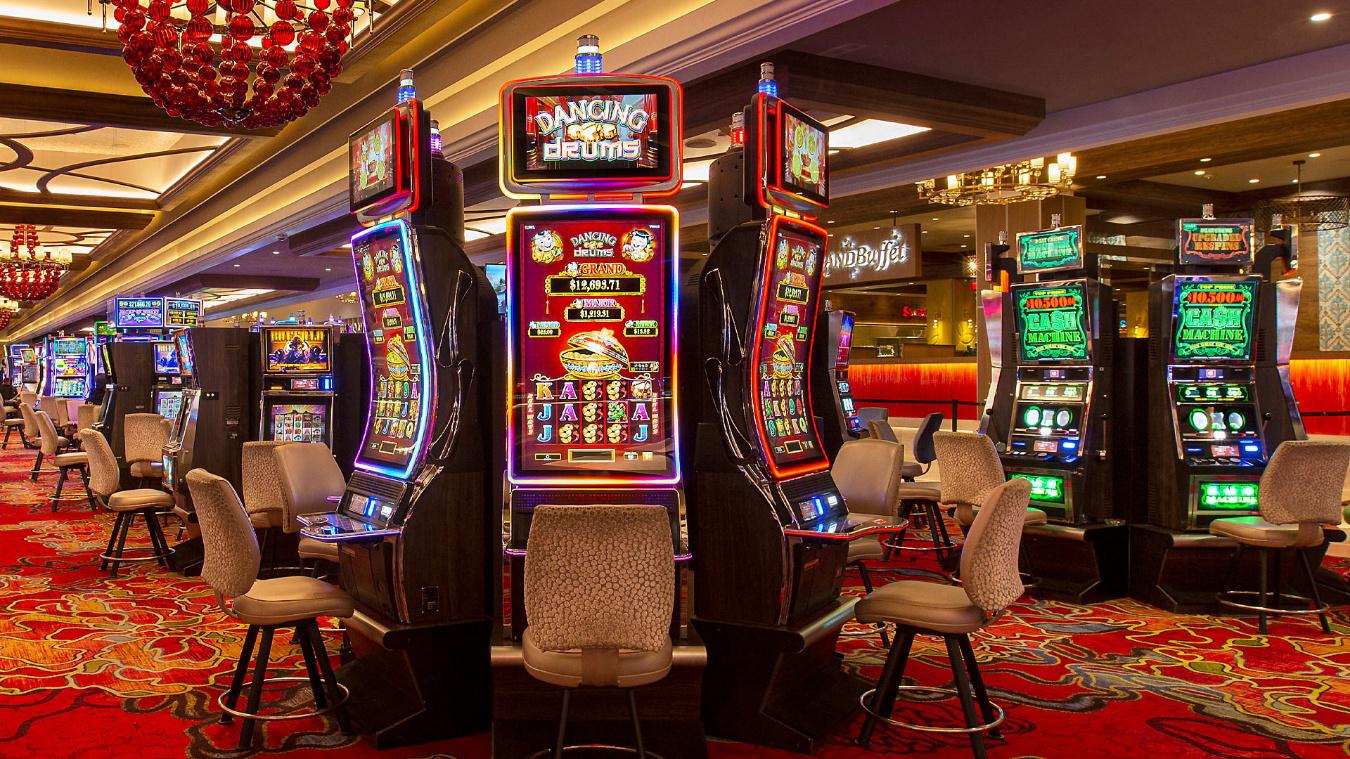
Today, the property features more than 32,000 square feet of gaming space, over 1,000 slot machines, 25 table games, a sportsbook, hotel, spa, three restaurants and an entertainment center that has become one of the leading event venues in the Quad Cities region. Anniversary celebrations held on June 12 and 13 included special promotions, major prize drawings, concerts and exclusive player events.
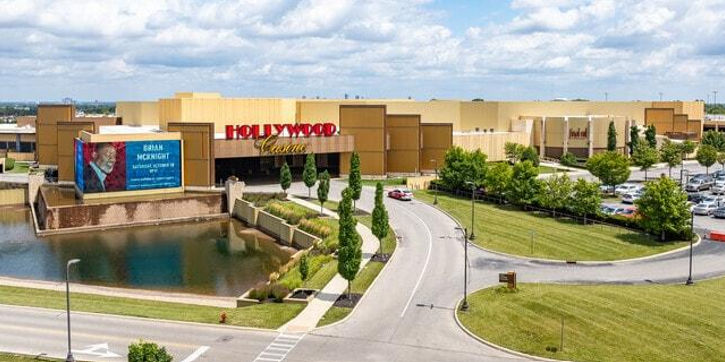
In Ohio, PENN Entertainment officially opened the new hotel at Hollywood Casino Columbus on June 12, 2026, completing a project valued at approximately US$100 million. Development began following the company’s expansion announcement in 2023.
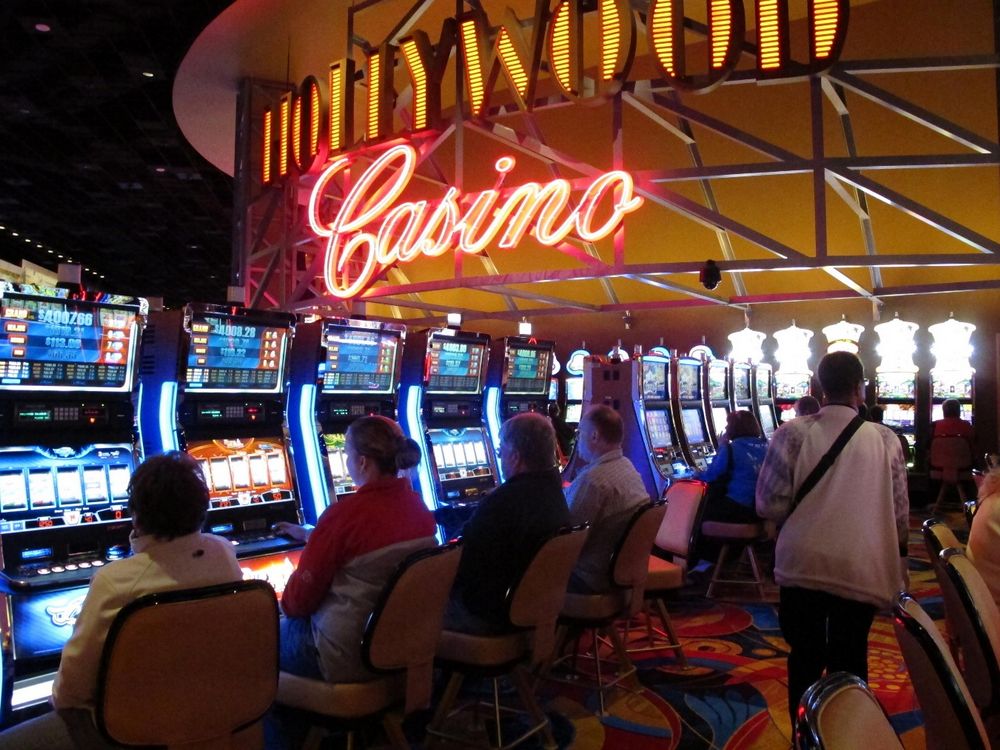
The new 150,000-square-foot hotel tower includes 203 guestrooms, consisting of 183 standard rooms and 20 luxury suites, along with meeting facilities, a fitness center, an outdoor terrace and The Hill Eatery & Lounge restaurant and bar. The opening is expected to create approximately 100 new jobs in Columbus and forms part of the broader growth strategy led by Jay Snowden, President and Chief Executive Officer of PENN Entertainment.
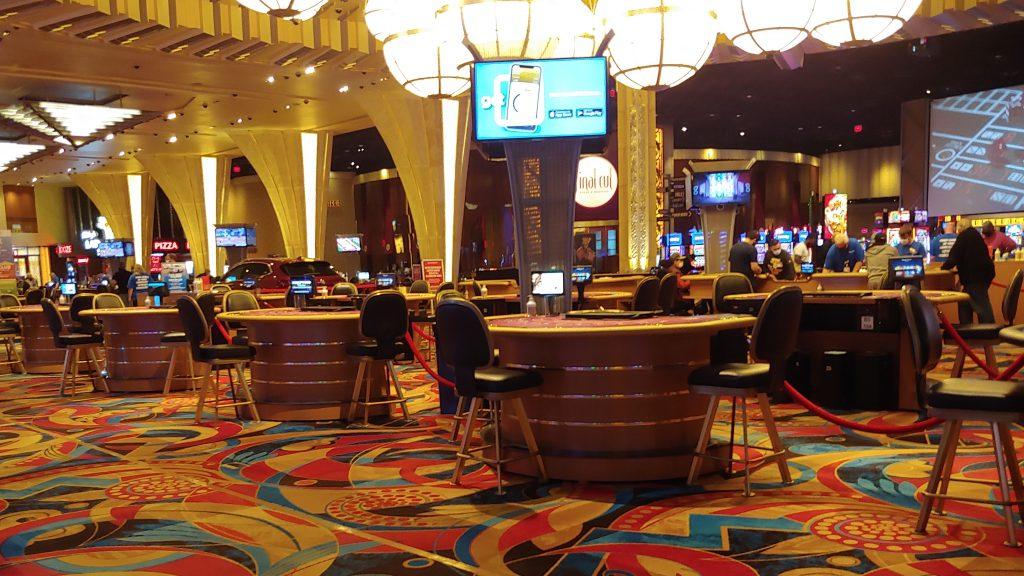

The expansion does not stop there. PENN has confirmed plans to add a new high-limit table games area at Hollywood Casino Columbus during the second half of 2026, subject to regulatory approvals, while continuing similar development projects across Illinois, Nevada and Iowa. The strategy is increasingly clear: regional casino operators are transforming their properties into complete tourism destinations where hotel rooms, dining, concerts and entertainment generate a growing share of revenue alongside traditional slots and table games.