



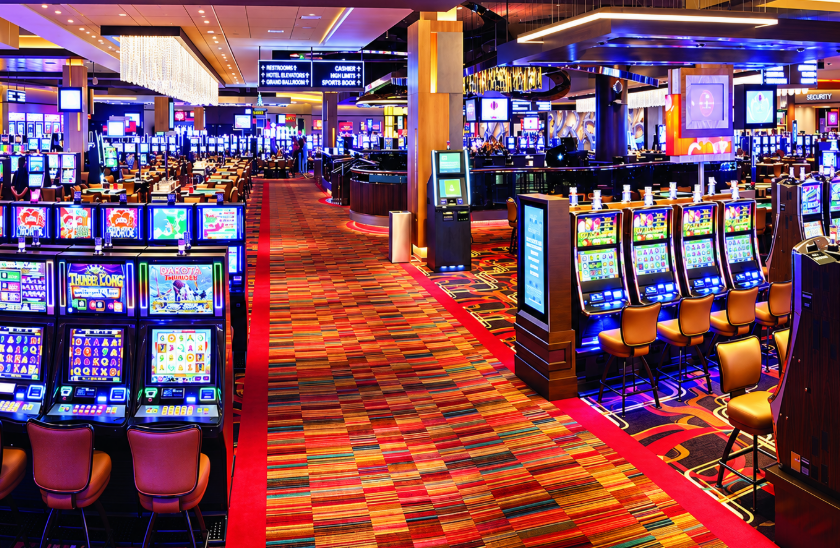

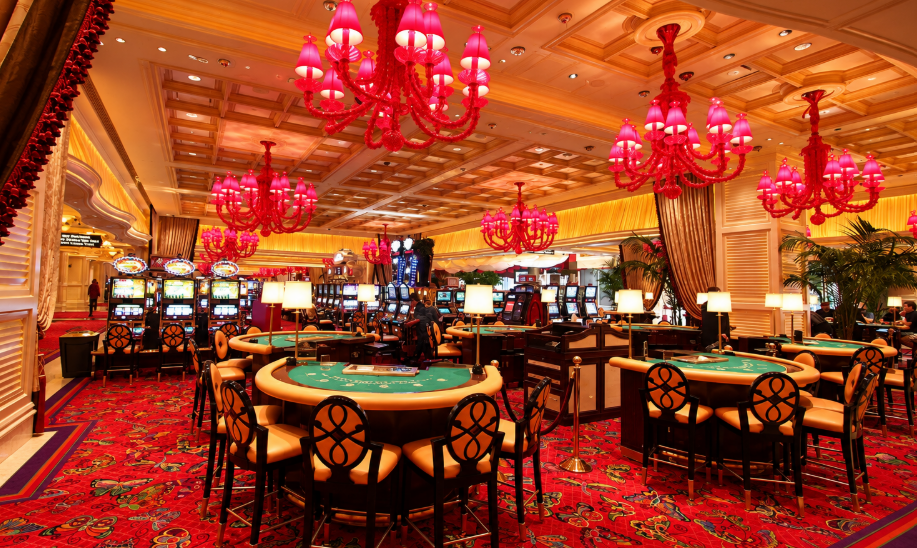




Las Vegas turned Memorial Day Weekend 2026 into a critical stress test for whether the Strip can reverse the tourism and gaming slowdown that has weighed on the market since 2025. The central issue this weekend is that Memorial Day once again boosted hotel occupancy, airport traffic, casino activity and premium consumer spending just ahead of the summer season, in a market trying to stabilize revenue after more than a year of declining visitation and pressure on gaming performance.

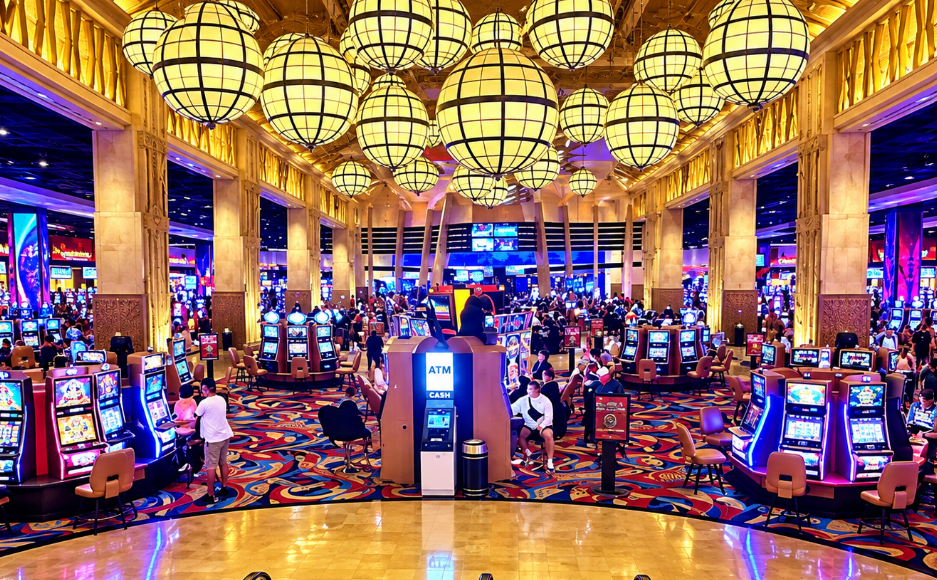
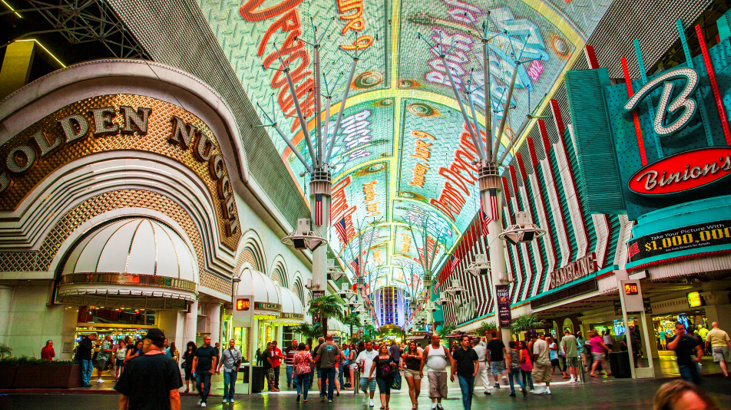
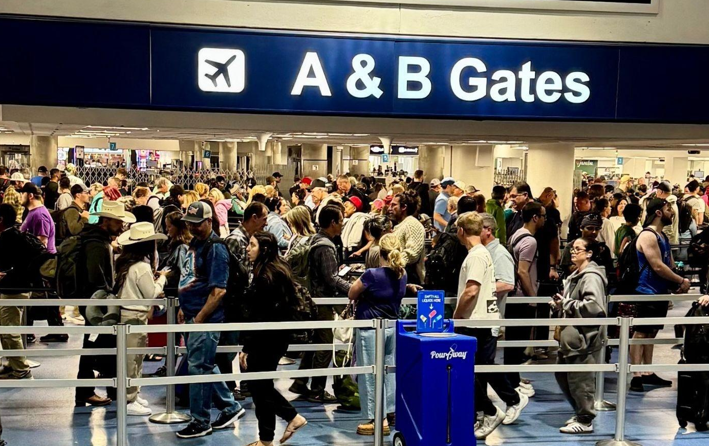
Between 22 and 25 May, Strip resorts and casinos experienced strong tourist activity driven by pool parties, nightlife, concerts, sports betting and luxury travel. Properties including Wynn Las Vegas, Encore, Caesars Palace and Nobu Hotel surpassed room rates between US$1,000 and US$1,700 per night, while Harry Reid International Airport activated special operational protocols due to increased passenger flow and traffic congestion. AAA projected approximately 45 million travelers across the United States during Memorial Day 2026, marking a historic record for the holiday and one of the year’s biggest tourism drivers for Nevada.

The rebound comes amid difficult numbers for Las Vegas. According to the Las Vegas Convention and Visitors Authority (LVCVA), the city closed 2025 with approximately 38.5 million visitors, representing a 7.5% year-over-year decline and the lowest visitation level since the post-pandemic recovery period of 2021. Average hotel occupancy dropped to around 80.4%, while average daily room rates fell roughly 5% to US$180 per night and RevPAR declined close to 9%.
Pressure continued into 2026. Data from the Nevada Gaming Control Board and LVCVA showed that January gaming revenue on the Strip fell 11% year-over-year to approximately US$747.6 million, while VIP baccarat revenue collapsed 44% and international air traffic dropped 19%. January visitation also declined 2%, reaching roughly 3.2 million visitors.

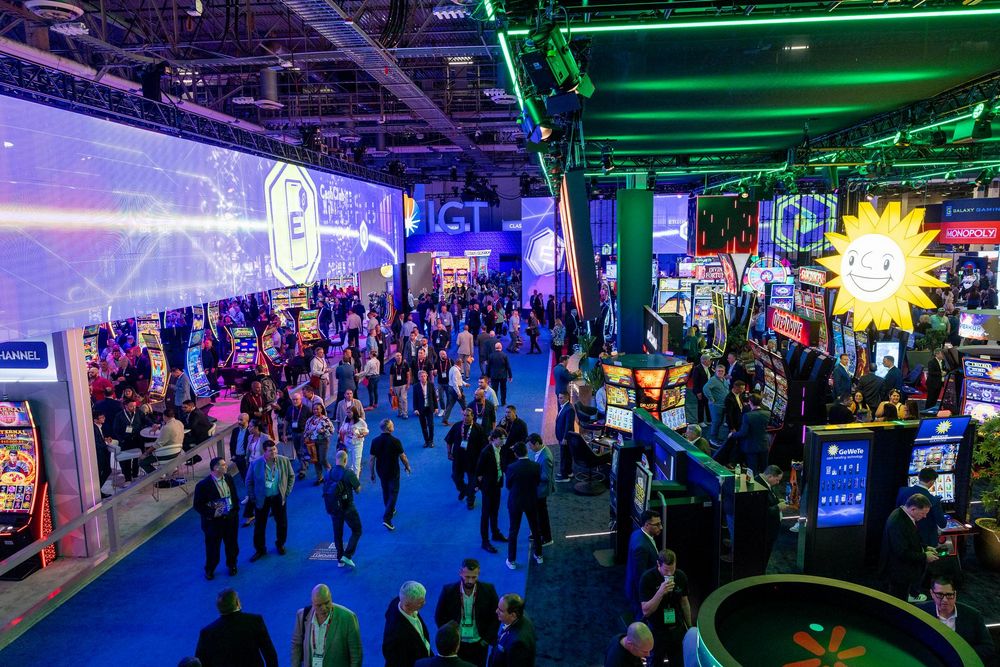
The market is now treating Memorial Day as the first major operational signal for summer 2026. MGM Resorts, Caesars Entertainment and other Strip operators have already acknowledged weakness in leisure travel and higher consumer sensitivity to elevated pricing but still expect a second-half recovery supported by conventions, Formula 1, UFC events, concerts and premium tourism demand.