







Florida's eight non-tribal casinos generated US$60.7 million in net slot machine revenue during May 2026, representing a 3% year-over-year decline compared with the US$62.6 million recorded in May 2025, according to official figures released by the Florida Gaming Control Commission (FGCC). Although the market experienced a modest slowdown, the results reaffirm the resilience of a commercial gaming sector that continues to compete alongside the Seminole Tribe of Florida's exclusive rights to operate most table games across the state.

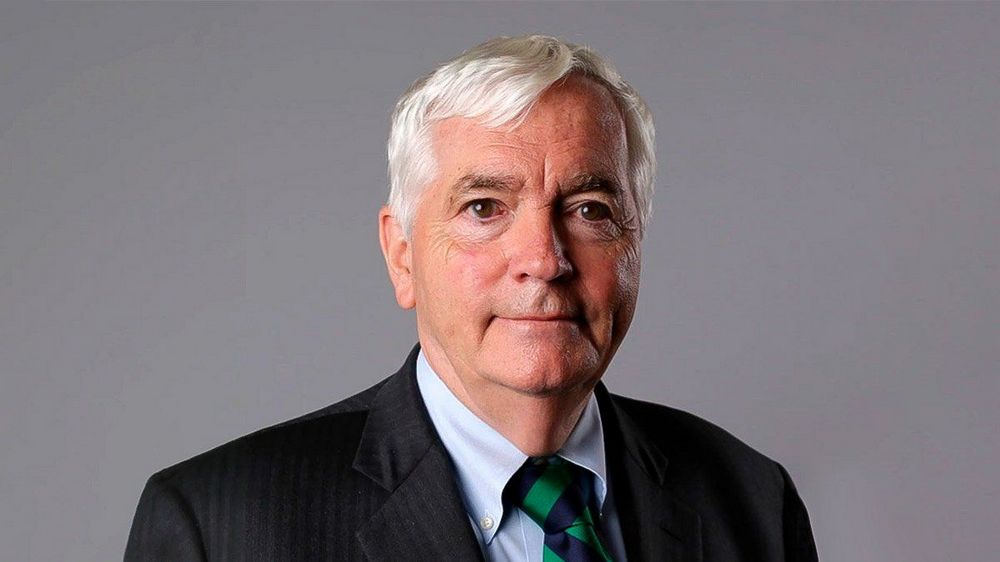
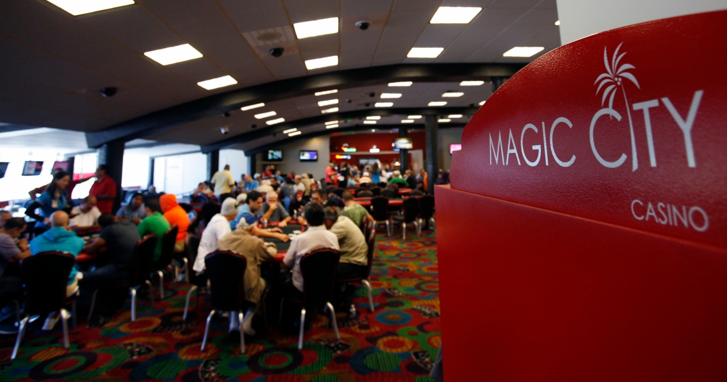
The sector is regulated by the Florida Gaming Control Commission (FGCC), chaired by John MacIver, with Ross Marshman serving as Executive Director. The Commission oversees commercial casinos, cardrooms, pari-mutuel operators, regulatory compliance, and publishes Florida's official gaming statistics. Magic City Casino in Miami, owned by Wind Creek Hospitality, led the market with US$12.9 million in slot revenue, followed by Harrah's Pompano Beach with US$11 million, operated by Caesars Entertainment.

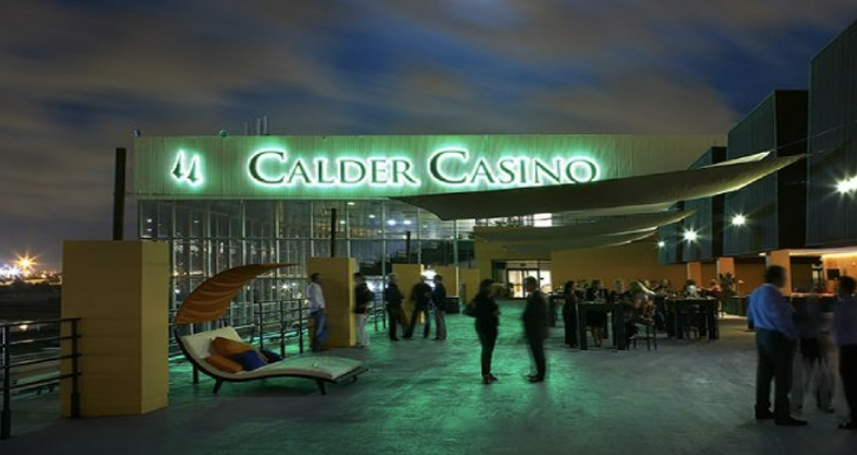
The remaining operators were Gulfstream Park Racing & Casino in Hallandale Beach (US$5.1 million), managed by 1/ST; Hialeah Park Casino (US$9 million); Calder Casino in Miami Gardens (US$7.60 million), owned by Churchill Downs Incorporated; Casino Miami (US$7.2 million), also operated by West Flagler Associates; Big Easy Casino in Hallandale Beach (US$3.4 million); and Casino at Dania Beach (US$4.5 million), operated by Dania Entertainment Center.
Unlike the tribal resorts Seminole Hard Rock Hollywood, Seminole Hard Rock Tampa, Coconut Creek, Immokalee, Brighton, Big Cypress, and Classic Casino Hollywood, Florida's commercial casinos are authorized to offer only slot machines and poker rooms, as the Gaming Compact grants the Seminole Tribe of Florida exclusive rights to operate most table games.
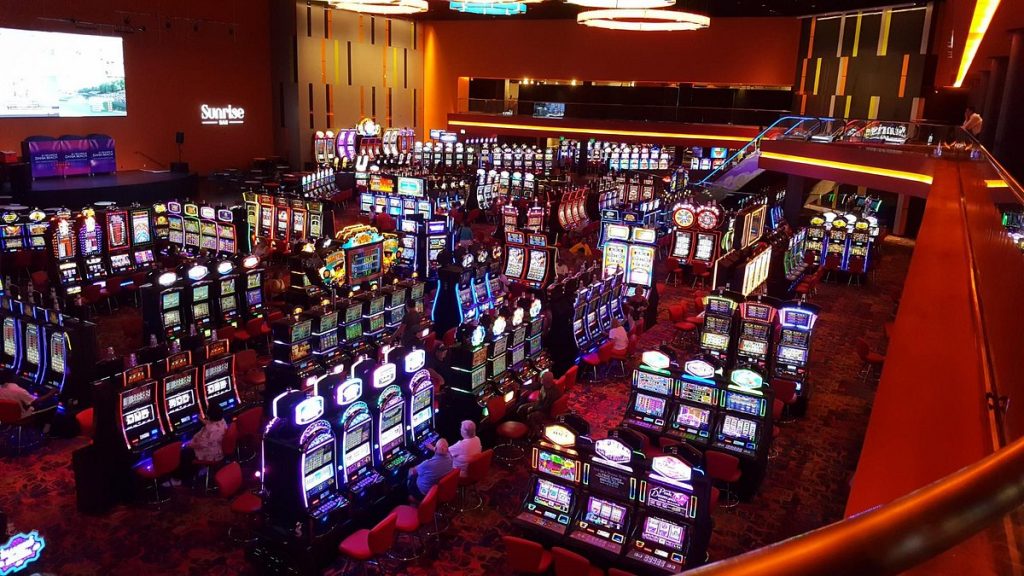

Despite these limitations, the commercial segment continues to generate more than US$60 million in monthly slot revenue. Slot operations are subject to a 35% state tax, with proceeds allocated primarily to Florida's Educational Enhancement Trust Fund, which finances public education programs. May's results highlight a highly competitive market while underscoring the continued economic importance of Florida's non-tribal casinos within one of the largest regulated gaming markets in the United States.