

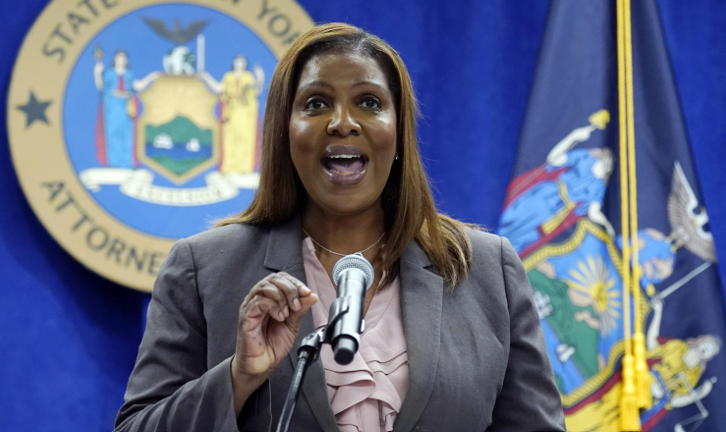







New York launched a judicial offensive against KalshiEX LLC on July 31, 2026, accusing the company of offering unlicensed gambling through contracts covering sports, elections, entertainment and public events. Attorney General Letitia James filed the lawsuit in New York State Supreme Court in Manhattan, seeking to halt the operation, recover profits, compensate consumers and impose penalties equal to three times the allegedly unlawful gains.

The estimated financial exposure reaches at least US$36 billion, subject to a final accounting. This is not yet a court-imposed penalty, but it exceeds Kalshi’s US$22 billion valuation, reached after raising US$1 billion in May. The company, founded and led by Tarek Mansour, transferred the case to federal court eight hours after it was filed.
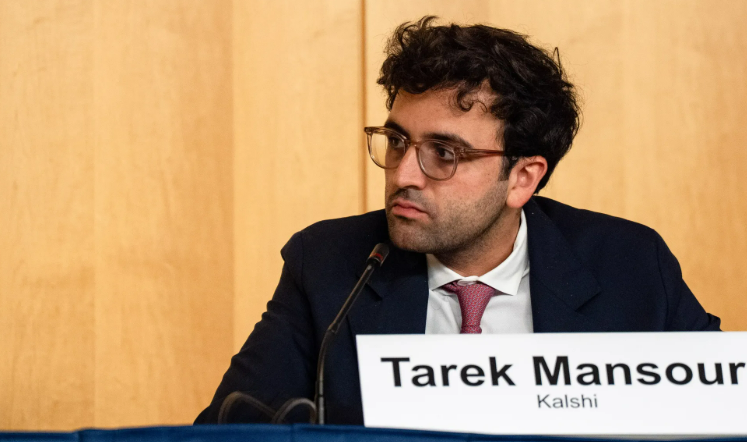
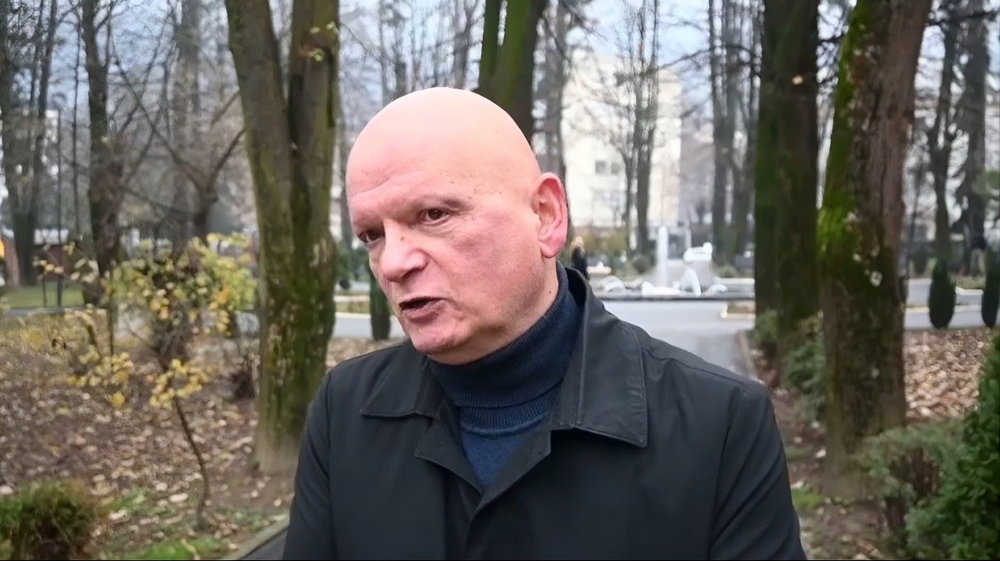
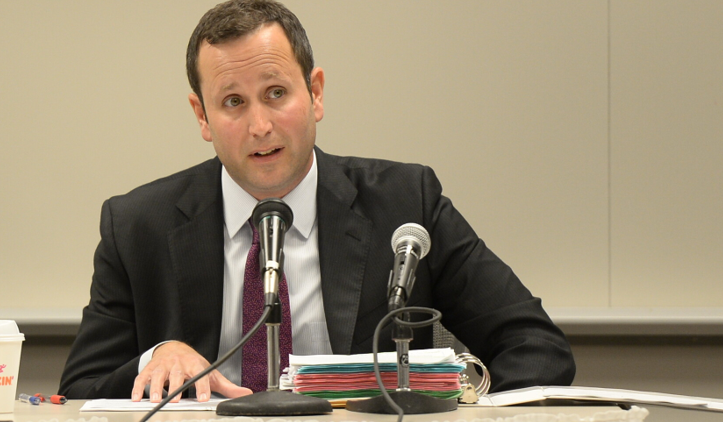
Tarek Mansour
The state argues that customers stake money on uncertain outcomes beyond their control, including the Super Bowl winner and television programmes such as Big Brother. It also objects to Kalshi accepting customers aged 18 to 20, while New York’s minimum age for mobile sports betting is 21.

The operation allegedly conflicts with the Racing, Pari-Mutuel Wagering and Breeding Law, particularly Sections 104, 1367 and 1367-a, as well as the gambling definitions under Penal Law 225.00. The New York State Gaming Commission, chaired by Brian O’Dwyer and managed by Executive Director Robert Williams, requires licensing, geolocation, responsible-gambling controls and age protections. Its nine authorised mobile operators pay a 51% revenue tax, primarily funding education, youth programmes and problem-gambling treatment.
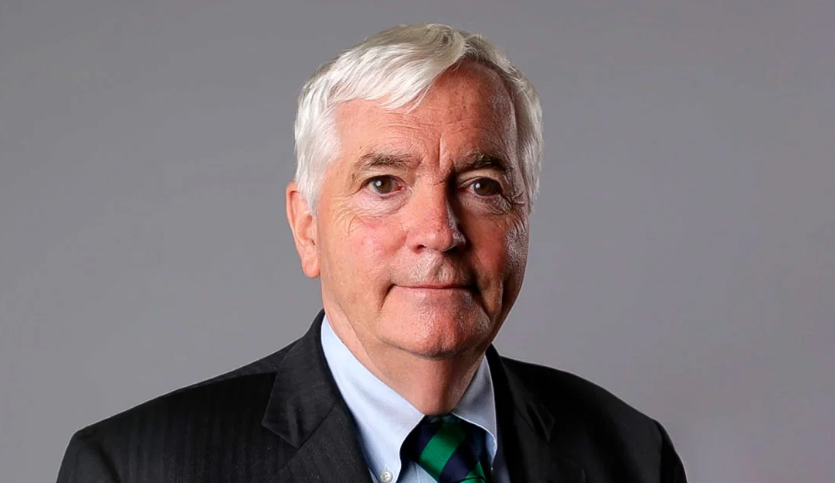
Brian O’Dwyer
The Commission ordered Kalshi to stop offering sports contracts on October 24, 2025. The company filed a pre-emptive lawsuit three days later, but federal judge Analisa Torres denied its preliminary injunction on July 7, 2026. The Second Circuit also refused on July 29 to suspend New York’s enforcement authority temporarily.
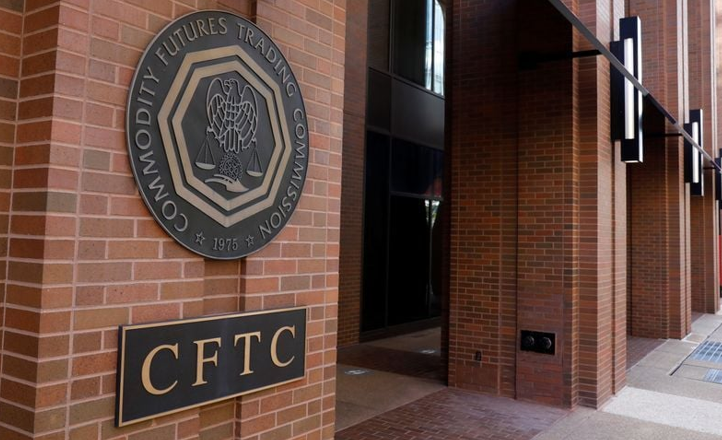
Kalshi maintains that its products are financial derivatives regulated exclusively by the Commodity Futures Trading Commission, chaired by Michael S. Selig, and described the lawsuit as “political theatre.” The CFTC requested consolidation of the proceedings and accused New York of attempting to shut down a federally regulated exchange nationwide.

Massachusetts, Michigan, Nevada and Washington have already secured restrictive orders. Arizona filed 20 criminal counts; Maryland and Ohio supported state authority, while New Jersey and Tennessee delivered decisions favourable to Kalshi. Connecticut, Illinois, Wisconsin, Kentucky, Montana and Minnesota have also taken action. More than 20 federal lawsuits remain pending, while New York pursues parallel cases against Coinbase Financial Markets and Gemini Titan.