









Detroit's June 2026 gaming results have become a powerful example in the growing debate over sports betting taxation in the United States. While the city's three commercial casinos increased revenue and continued delivering strong tax contributions under a stable regulatory framework, lawmakers, regulators and operators across the country are debating whether higher tax rates ultimately weaken the regulated market by reducing competitiveness and encouraging illegal gambling.

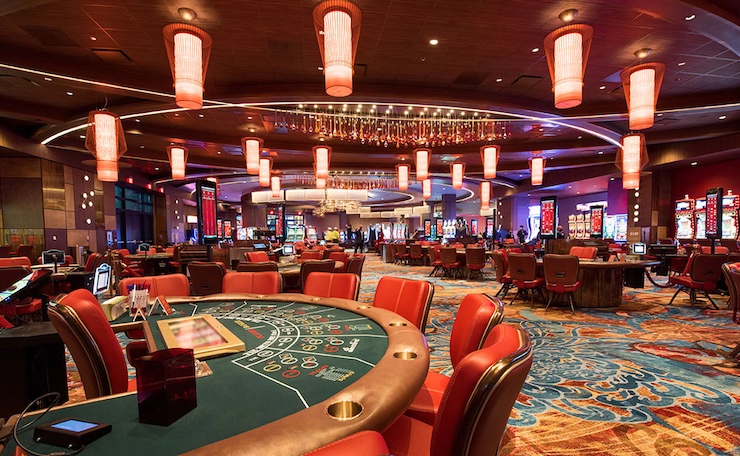
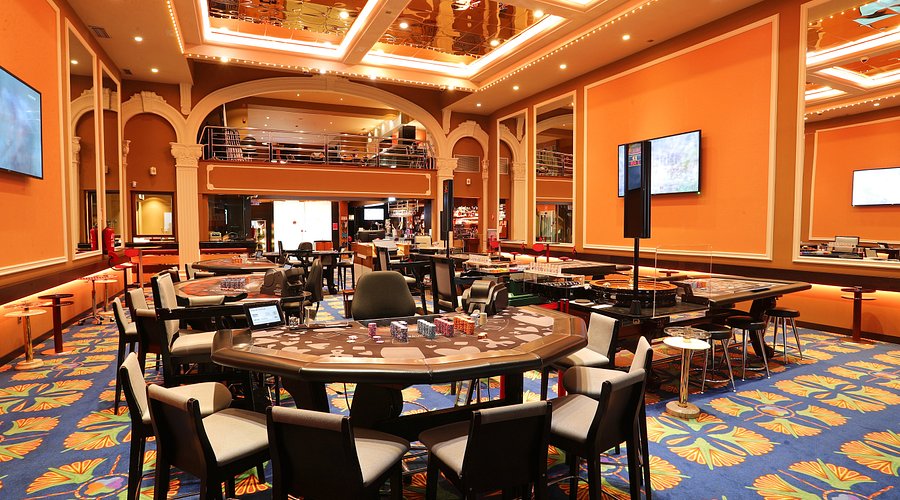
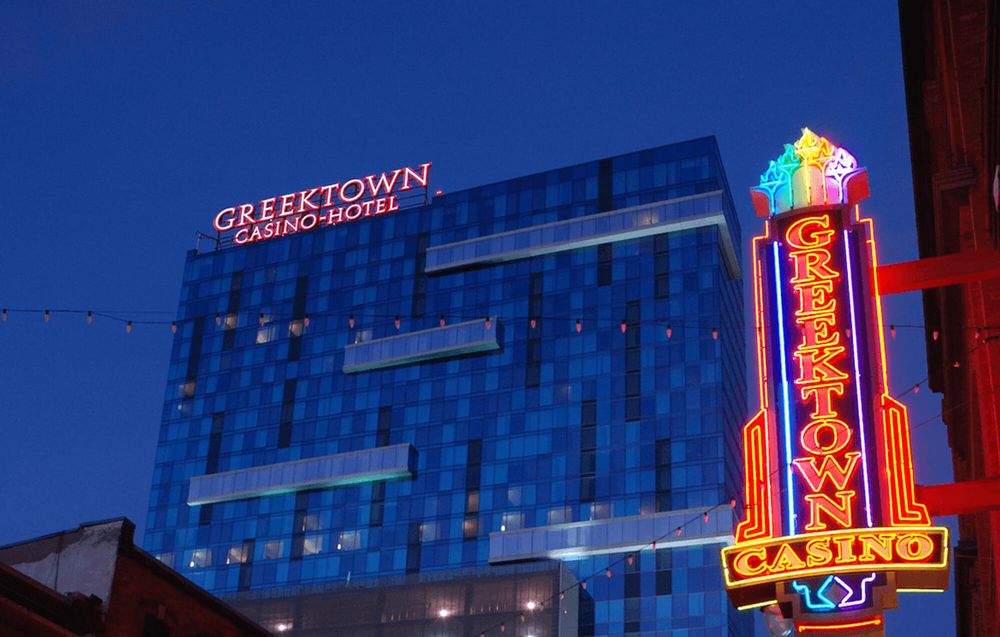
The Michigan Gaming Control Board (MGCB), chaired by Robert L. Anthony and led by Executive Director Henry Williams, reported on 14 July that MGM Grand Detroit, MotorCity Casino Hotel and Hollywood Casino at Greektown generated a combined Adjusted Gross Revenue (AGR) of US$102.68 million in June. Of that total, US$101.84 million came from slot machines and table games, representing a 1.5% year-on-year increase, while retail sports betting produced US$836,063 in Qualified Adjusted Gross Receipts (QAGR), up 25.6% from June 2025. Sports betting handle reached US$6.38 million.

MGM Grand Detroit retained a 47% market share, followed by MotorCity Casino with 31% and Hollywood Casino at Greektown with 22%. During the month, the three casinos contributed US$8.2 million in state gaming taxes and an additional US$12.1 million to the City of Detroit through municipal wagering taxes and development agreement payments, reinforcing Michigan's reputation as one of the country's most balanced regulated gaming markets.
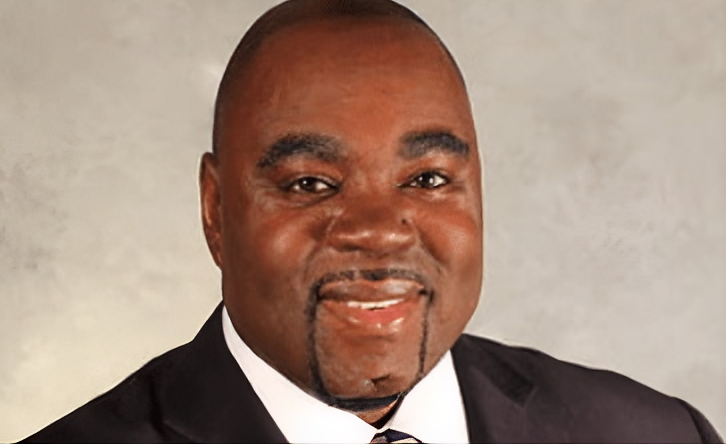
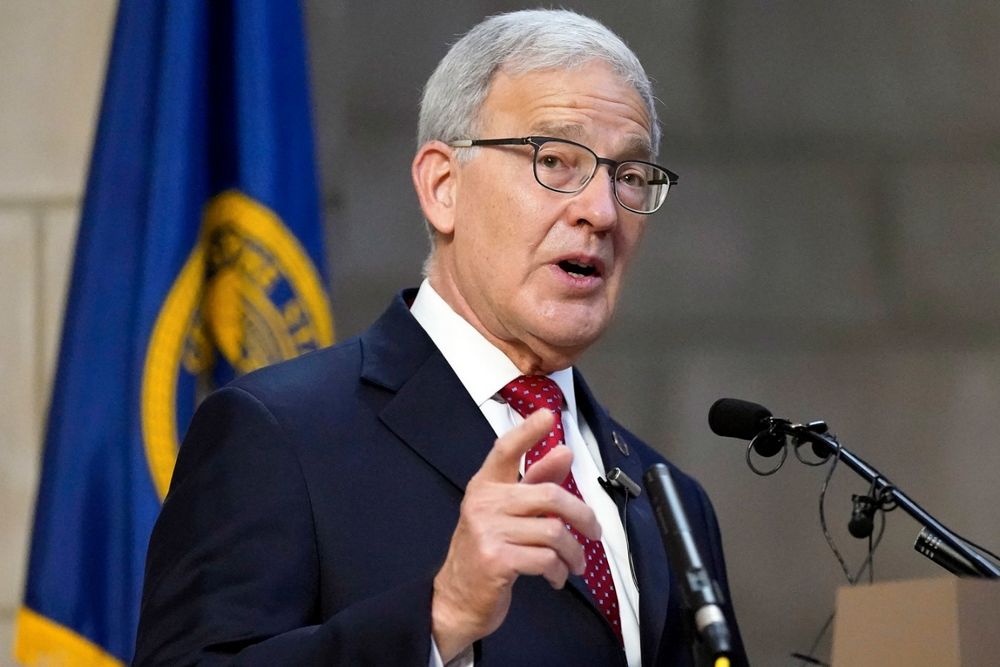
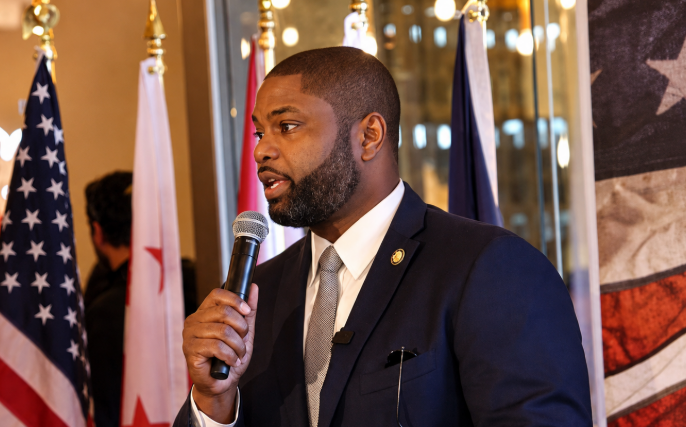
Director Henry Williams
The results come as several U.S. states continue to reshape their sports betting tax policies. New York maintains the nation's highest online sports betting tax rate at 51% of gross gaming revenue, while Illinois introduced a progressive tax structure in 2024, increasing rates from 15% to between 20% and 40%, and later approved an additional US$0.25 tax per wager, rising to US$0.50 on operators accepting more than 20 million bets annually.

Industry groups argue that excessive taxation can reduce operator investment, limit promotional offers, worsen betting odds and push customers toward offshore operators. By contrast, Michigan continues to be cited as an example of regulatory stability, combining sustainable tax revenue, operator profitability and continued market growth. As more states reconsider their fiscal models, Detroit's performance is increasingly viewed as evidence that balanced taxation can support both public revenue and a competitive regulated gaming industry.