














The U.S. land-based casino industry delivered two contrasting performances in its latest state revenue reports, highlighting different market dynamics in Colorado and Maryland. While Colorado posted one of its strongest monthly gains in recent years, Maryland recorded a year-on-year decline despite maintaining a significantly larger gaming market.


Christopher Schroder
In Colorado, the state's 33 commercial casinos generated US$105.8 million in gross gaming revenue (GGR) during May 2026, representing a 6.1% increase compared with May 2025. The figures were released by the Colorado Division of Gaming, part of the Colorado Department of Revenue, led by Christopher Schroder. Slot machines remained the primary revenue driver, producing US$89.5 million, up 5%, while table games surged 12.1% to US$16.3 million. Black Hawk continued to dominate the market with US$81.2 million in gaming revenue, including US$66.1 million from slots and US$15.1 million from table games. Under Colorado law, individual casino performance is not disclosed publicly, with results reported only by gaming district.

Maryland followed a different trajectory. The state's six licensed casinos generated US$162.9 million in combined slot machine and table game revenue during June 2026, a 2.4% decline from June 2025. The figures were published by Maryland Lottery and Gaming, directed by John A. Martin, the agency responsible for regulating casinos, sports wagering and the state lottery. The June slowdown followed stronger monthly performances of US$170 million in May, US$172.2 million in April and US$168.1 million in March, indicating softer momentum entering the summer period.
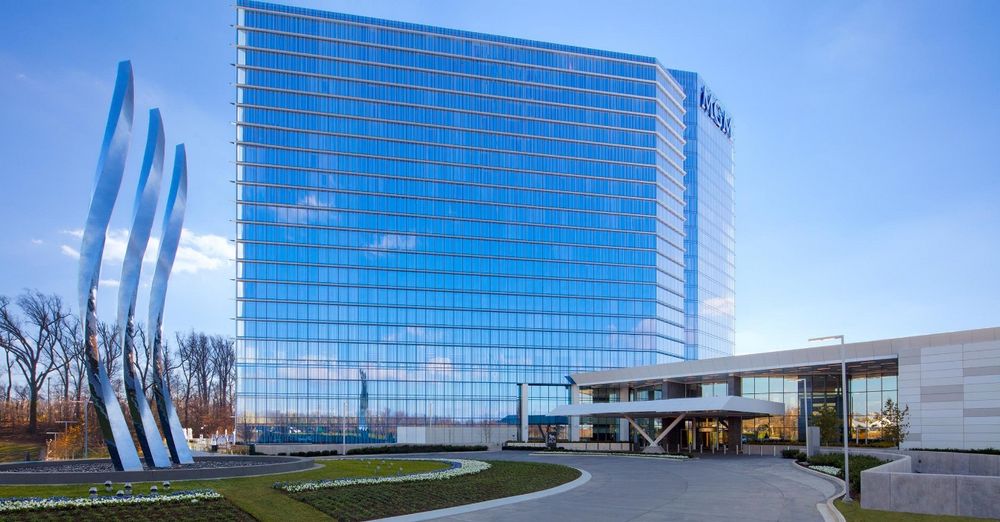
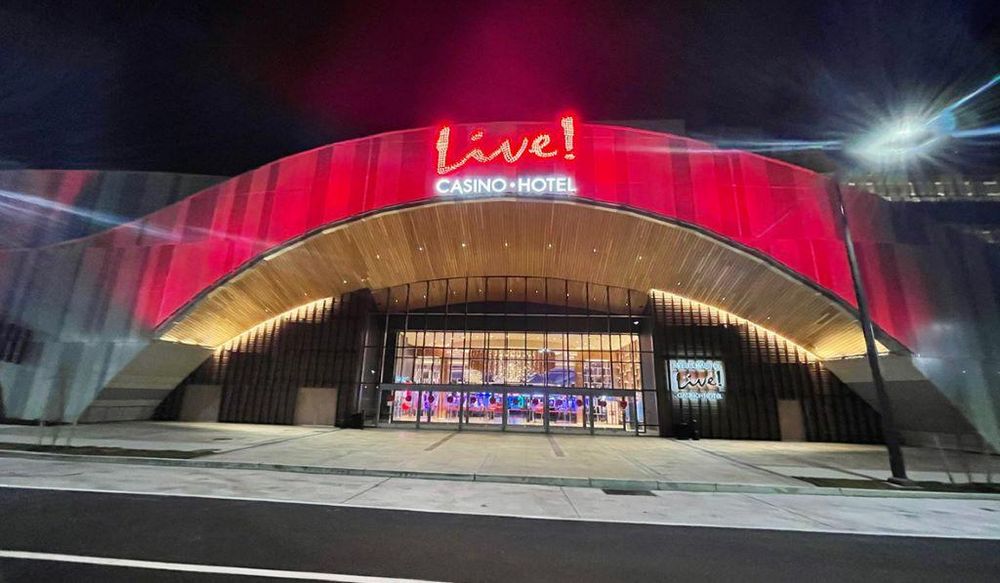
Maryland's commercial casino market consists of MGM National Harbor, Live! Casino & Hotel Maryland, Horseshoe Casino Baltimore, Ocean Downs Casino, Hollywood Casino Perryville, and Rocky Gap Casino Resort. Collectively, they generated US$1.9315 billion in gaming revenue during fiscal year 2026 and contributed US$831 million to state programs, down from US$1.9648 billion in revenue and US$840.5 million in contributions during the previous fiscal year.

Colorado continues to expand on the strength of slot play and Black Hawk's sustained growth, while Maryland, despite operating a considerably larger casino market, is beginning to show signs of moderation in both gaming revenue and public contributions.