
















Polymarket is rapidly emerging as one of the most influential platforms in the global political and financial ecosystem. What began as a blockchain-based prediction market has evolved into a venue that processes hundreds of millions of dollars across elections, geopolitical developments and regulatory events, while gaining political support in Washington and compiling a growing record of high-profile forecasting successes that are forcing governments, regulators and Wall Street firms to reassess the role of prediction markets.

One of the most visible examples came from Colombia’s presidential election. Before the first round on May 31, 2026, Polymarket’s Colombian presidential market had generated approximately US$34.8 million in volume, while the dedicated first-round contract exceeded US$9.3 million. In the days leading up to the vote, the platform assigned between 75% and 79% implied probability to Abelardo de la Espriella, while positioning Iván Cepeda Castro as the second most likely candidate. Official results released by Colombia’s National Civil Registry, led by Hernán Penagos, ultimately validated the market’s core outlook: De la Espriella led with 43.7% of the vote and Cepeda secured roughly 41%, sending both candidates to the runoff election. The outcome reinforced the perception that Polymarket identified electoral momentum before much of the traditional polling industry.

Portugal provided another high-profile case. The country’s presidential market generated approximately US$136.5 million in trading volume and correctly resolved in favor of António José Seguro, who defeated André Ventura by roughly 66.7% to 33.3% in the second round. The scale of trading activity made Portugal one of Polymarket’s largest political markets in Europe during 2026.

António José Seguro
The trend became dramatically evident in Venezuela. By early January 2026, the market regarding Nicolás Maduro's presidency on Polymarket experienced an unprecedented shift following a surprise U.S. military operation. Prior to the raid, the market assigned a mere 5.5% to 6.5% probability to Maduro leaving power. Within hours of the operation on January 3, 2026, the odds skyrocketed to 56.5%, eventually reaching 100% upon official confirmation of his capture. This event also triggered a major insider trading scandal after a U.S. special forces soldier used classified knowledge to invest $32,500 in the market, walking away with a net profit of $409,881 before his arrest. Regardless of the dramatic outcome, the market illustrates how prediction platforms have become a global reference point for measuring political expectations, while simultaneously exposing new vulnerabilities in market integrity.

The turning point came during the 2024 U.S. presidential election, where contracts tied to the race between Donald Trump and Kamala Harris generated more than US$3.6 billion in trading volume. Academic research based on Polygon blockchain data concluded that market efficiency improved substantially as Election Day approached and pricing distortions narrowed significantly. Another study found that only about 3% of traders were responsible for most of the market’s price discovery, challenging the traditional “wisdom of crowds” narrative and suggesting that a relatively small group of highly informed participants drives much of the forecasting accuracy.
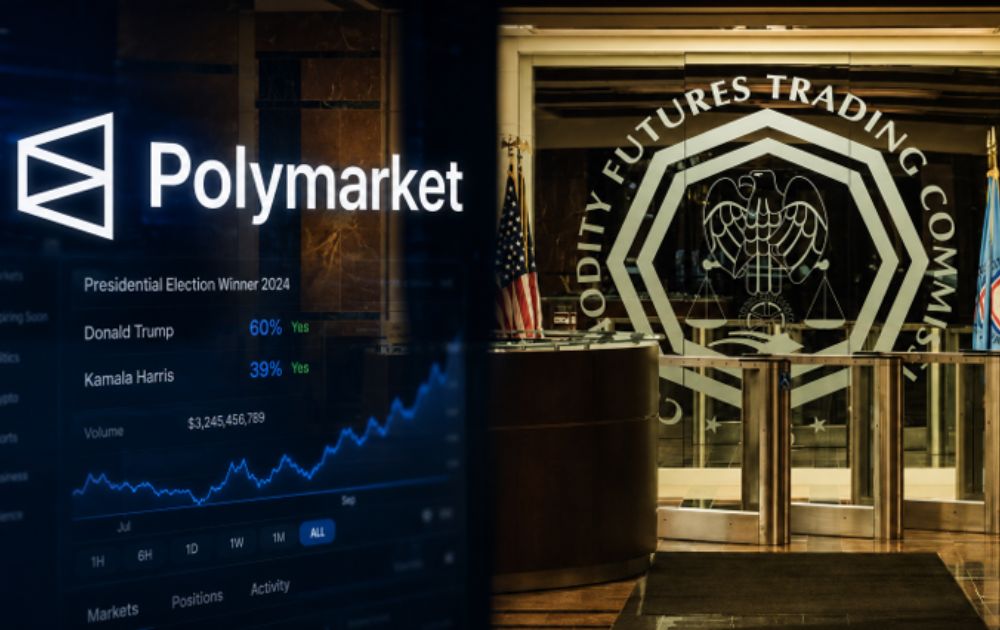
Polymarket states that its probabilities are accurate 96.7% of the time four hours before resolution, 95.8% one day before, 94% one week before, and 90.4% one month before, statistics frequently cited by advocates who argue that prediction markets aggregate information faster than polls and conventional forecasting models.
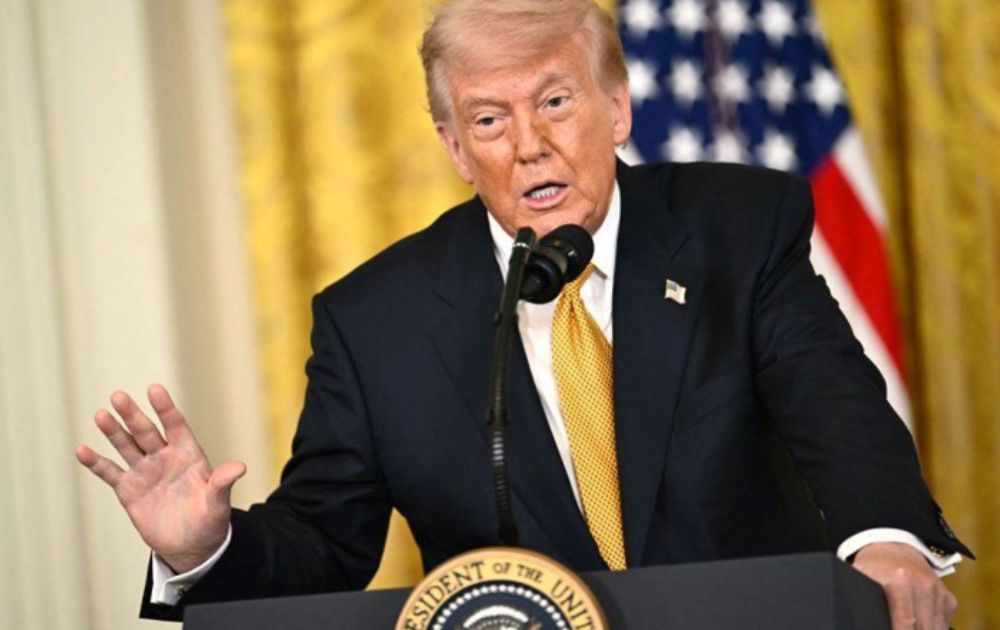
That performance comes amid an increasingly important regulatory battle. Donald Trump recently stated that it is “critically important” for the Commodity Futures Trading Commission (CFTC) to retain exclusive authority over prediction markets, aligning himself with CFTC Chairman Michael Selig, who argues that these contracts should be treated as financial instruments rather than traditional gambling products.

Michael Selig
Political support also extends into the corporate sphere. Donald Trump Jr. joined Polymarket’s advisory board following a strategic investment by 1789 Capital, while the company strengthened its U.S. regulatory position through the US$112 million acquisition of QCEX. At the same time, regulators in Spain launched an investigation and temporarily blocked access to Polymarket and Kalshi over allegations that they were operating without a local gambling license, highlighting the growing international debate over how prediction markets should be classified and supervised.

The central question is no longer whether Polymarket can forecast outcomes. Policymakers, regulators and investors are increasingly asking whether these markets merely reflect public opinion or actively shape it by transforming probabilities, capital and political narratives into real-time public signals. Their growing record across elections, geopolitics and public policy has elevated Polymarket from a cryptocurrency platform into a global forecasting infrastructure with expanding legal, political and financial relevance.