







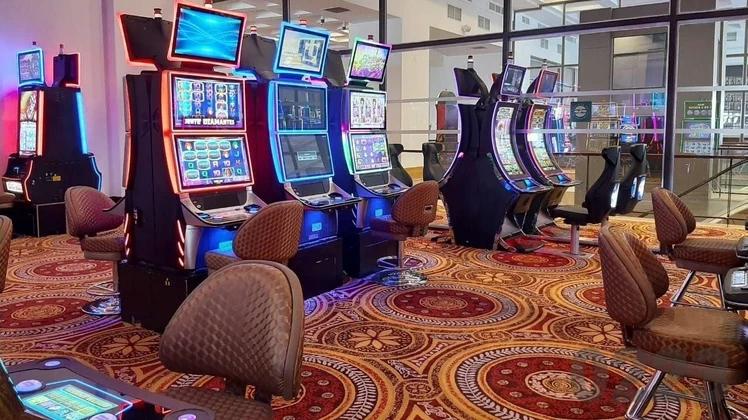
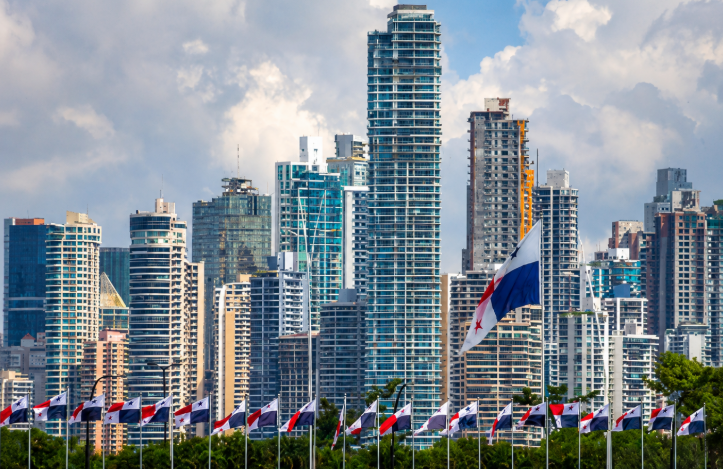
Panama’s gambling market closed the first half of 2026 with US$1.6078 billion in gross wagers, up 16.5% year-on-year, while the National Charity Lottery (LNB) stepped up inspections of lottery ticket and chance sales following complaints over alleged irregularities in the province of Veraguas.

Figures compiled by the National Institute of Statistics and Census (INEC), using data from the Gaming Control Board (JCJ), show that Type A slot machines continued to dominate the market, generating US$1.1135 billion in wagers between January and June, up 7% from a year earlier.
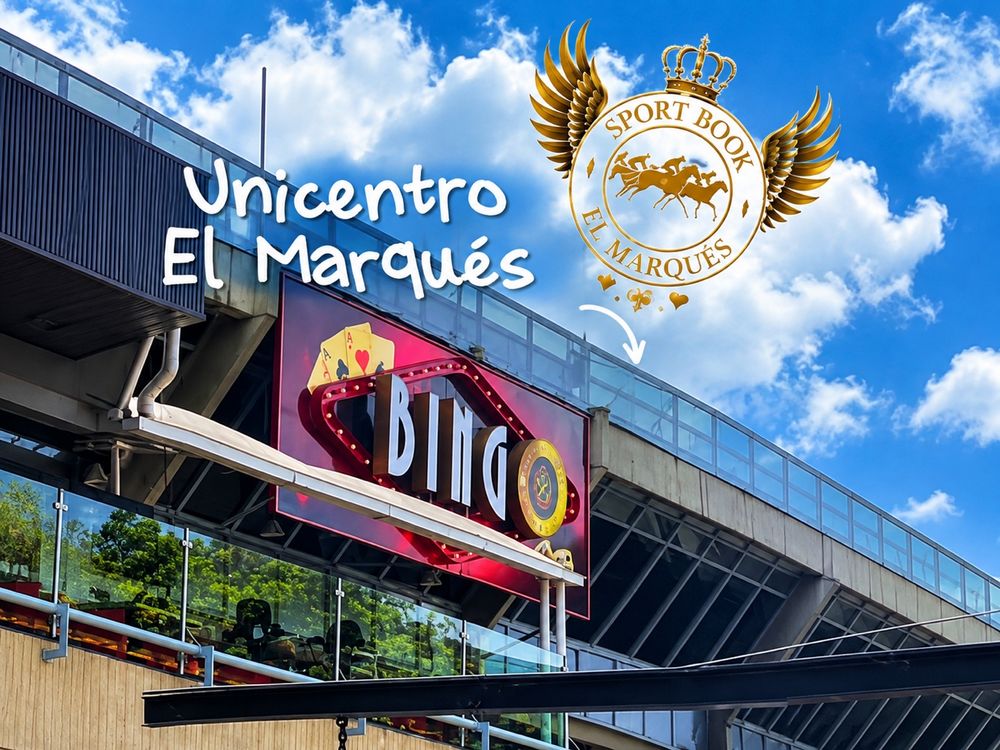
The strongest growth came from online gambling. Internet wagers reached US$379.7 million, compared with US$237.6 million during the same period of 2025, a 59.8% surge. Gaming tables generated US$87.4 million, up 18.6%, while sports betting slipped 0.8% to US$9.1 million and bingo increased 6% to US$3.3 million. Net wagers — after prize payouts — reached US$194.8 million, up 7.3% year-on-year. Slot machines contributed US$150 million; online gambling generated US$22.1 million, up 40.4%; and gaming tables accounted for US$16 million.
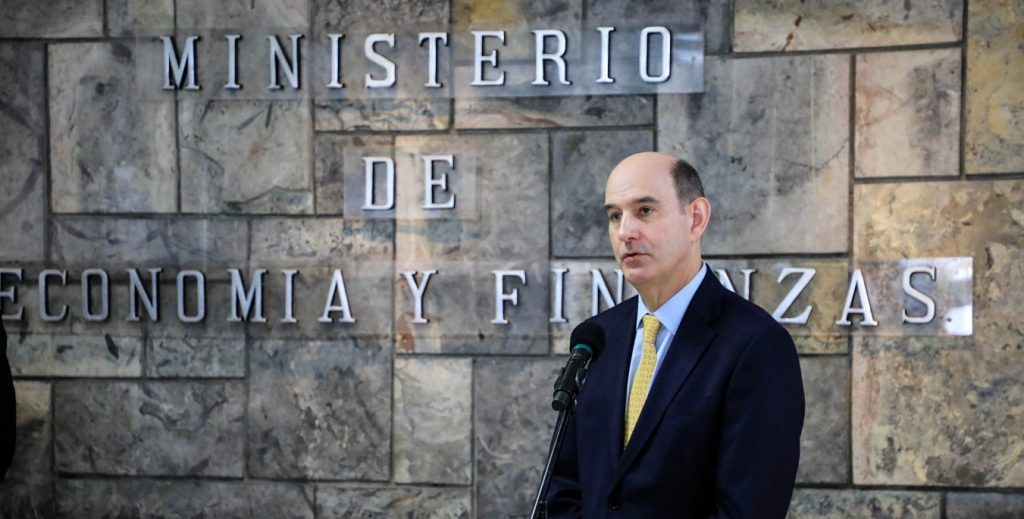
Felipe Chapman
The JCJ, under the Ministry of Economy and Finance, headed by Felipe Chapman, is led by Executive Secretary Ventura Vega. The regulator oversees and supervises Panama’s gambling market under Decree Law No. 2 of February 10, 1998. Growth in privately operated gambling contrasted with the LNB, whose gross sales fell 4.1%, from US$417.7 million to US$400.7 million during the semester, while net revenue declined 11.2% to US$67.6 million.
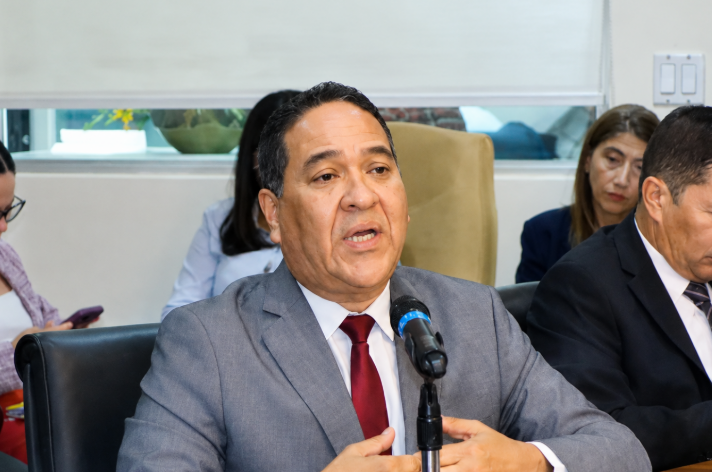
Isidro Sigfrido Carbonell
Against this backdrop, LNB Director General Isidro Sigfrido Carbonell Olmos led inspections of sales outlets and businesses in Santiago, Veraguas, following customer complaints about alleged irregularities in the sale of lottery tickets and chances.

The institution announced that formal complaints will be filed against those found responsible and strengthened inspector training to identify illegal sales and so-called “tied chances”, a practice in which the sale of a requested number is conditional on purchasing another one. The LNB operates under Cabinet Decree No. 224 of July 16, 1969.