













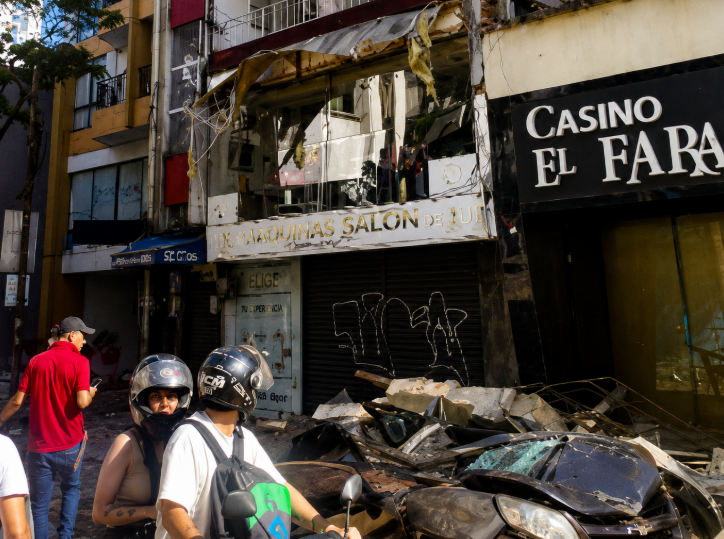
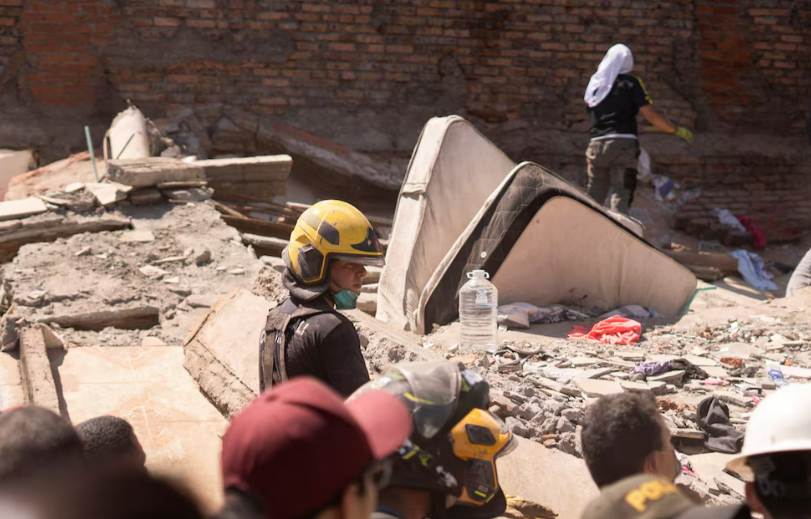
A 7.4-magnitude earthquake struck Colombia on August 10, 2026, with its epicenter in San José del Palmar, Chocó, creating a major emergency across western Colombia and exposing the country's land-based gaming industry to potentially significant operational disruption.

By the afternoon, preliminary figures showed 111 deaths, 87 injuries, 1,575 homes affected, 37 destroyed, 61 collapsed buildings, 18 healthcare facilities, 52 educational facilities, 18 roads and seven airports affected.
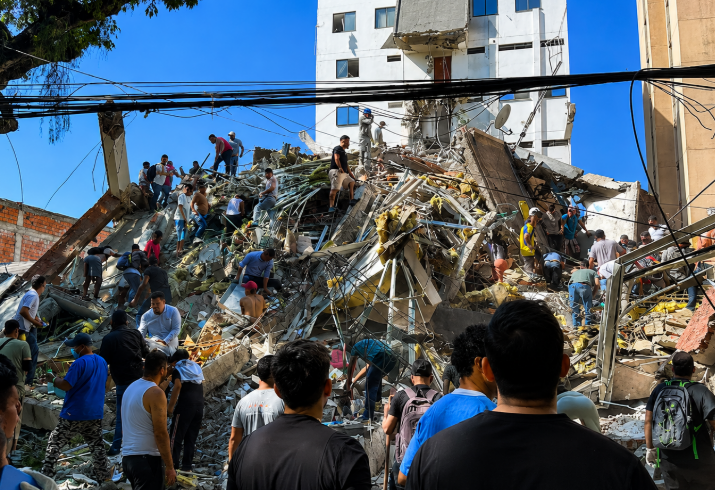
The gaming exposure extends across Pereira, Manizales, Cali, Armenia, Cartago, Buga, Quibdó, Buenaventura, Yumbo and Zarzal, as well as Dosquebradas and La Virginia. There is currently no sufficiently solid public evidence confirming the physical destruction of a specific legal casino, making operational disruption—not confirmed casino collapse—the immediate industry concern.
Pereira represents one of the most critical cases. Gaming venues are heavily concentrated downtown, while the city combines extensive urban damage, structural inspections and disruption at Matecaña International Airport. Manizales presents another dangerous overlap, with gaming concentrated in its central district, where structural damage was reported.
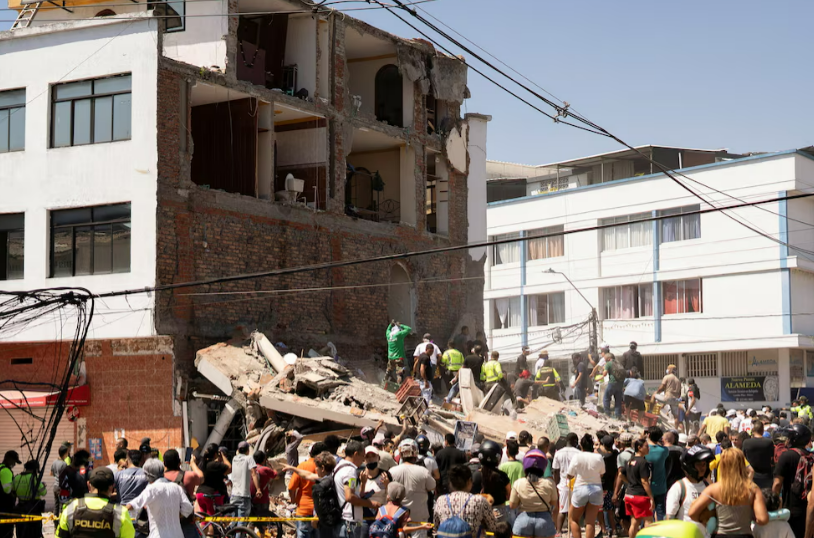
Cali's casino market is more dispersed across Unicentro, Cosmocentro, Jardín Plaza, Chipichape and the traditional downtown area. Armenia also faces high exposure, particularly downtown, while the city carries the precedent of the 1999 Mw 6.1 earthquake, which killed 921 people and damaged or destroyed more than 21,000 homes.
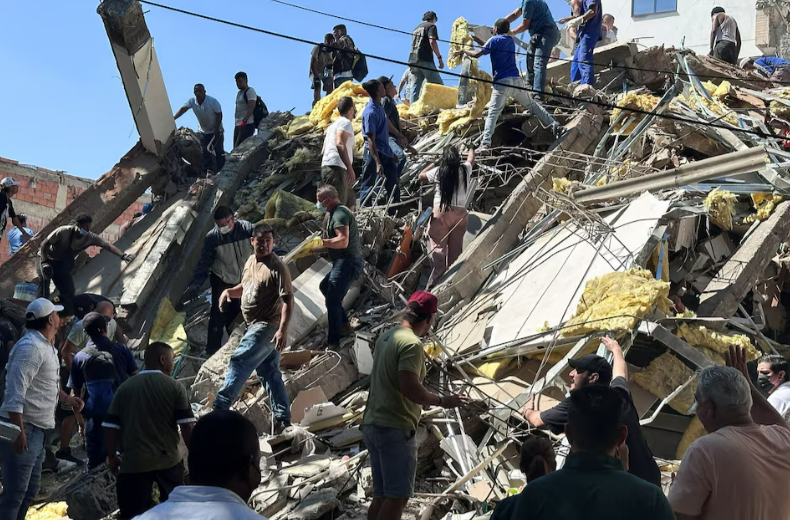
Transport disruption adds another layer of pressure. Strategic corridors requiring monitoring include Pereira–Quibdó, Autopistas del Café, Pereira–Cartago, La Romelia–El Pollo, Armenia–Calarcá–La Línea and Buga–Loboguerrero–Buenaventura.
Coljuegos faces the economic aftershock
Colombia had 3,694 gaming establishments, 417 operators and 109,163 authorized electronic gaming machines (METs) at the end of 2025. Because land-based gaming requires physical attendance, power failures, internet outages, evacuations, road restrictions or employee-access problems can reduce an intact machine's revenue to zero.
Coljuegos already has a potential regulatory instrument: Resolution 20260002834 of February 18, 2026, which recognizes circumstances in which exceptional measures can support the regulated market and protect gaming revenues earmarked for healthcare. Its application will depend on the legal status and scope of the emergency.

The regulator could now document affected casinos and machines, accelerate authorized replacements or relocations, and evaluate relief for verified forced closures. Colombia also has precedents: after the 1999 earthquake, Decree 350 created extraordinary lottery draws to finance healthcare needs, while Decree 576 of 2020 introduced temporary measures designed to preserve operators and healthcare revenues during forced shutdowns. The next critical calculation is economic: how many casinos and machines stopped operating, for how long, and how much healthcare funding is ultimately at risk.