











Moody’s Ratings upgraded NagaCorp Ltd. on April 9, 2026, to B2 from B3 with a stable outlook, citing stronger earnings, improved cash flow generation, and solid liquidity. The upgrade reinforces the strategic importance of NagaWorld as the core asset of Cambodia’s casino market.
The rating action follows recent operating results. In 1Q26, NagaCorp reported GGR of US$174.7 million (+2.1% YoY) and net gaming revenue of US$160 million (+7.9%). Growth was driven by the mass segment, with mass table revenue at US$91.3 million (+23.9%) and electronic gaming at US$38.3 million (+8.4%), while VIP segments continued to decline (direct VIP -16.2% and referral VIP -52.4%).

The performance builds on a strong 2025, when the company generated US$691.6 million in GGR (+27.4%), US$309.9 million in net profit (+56%), and US$404.9 million in EBITDA, confirming a structural shift toward more stable, mass-driven revenue streams.
Moody’s also highlighted US$372 million in cash reserves and projected approximately US$821 million in operating cash flow through 2027, with leverage expected to remain below 0.5x debt/EBITDA, supporting the improved credit profile.
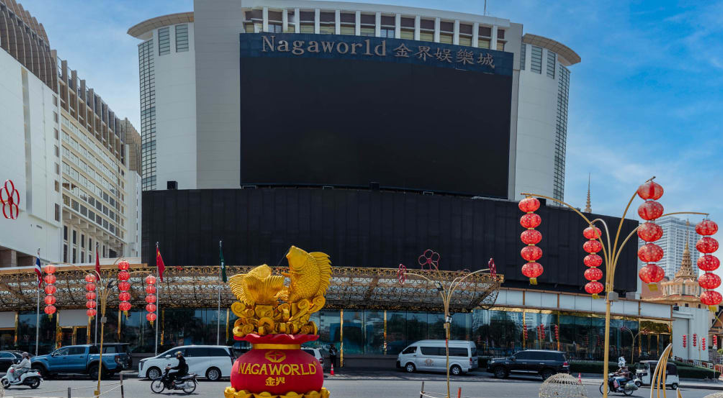
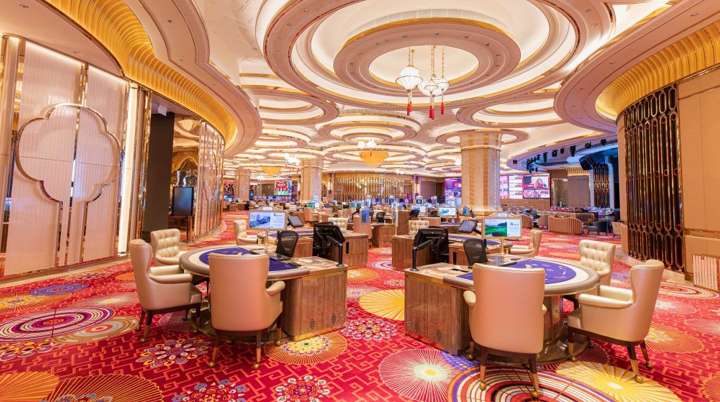
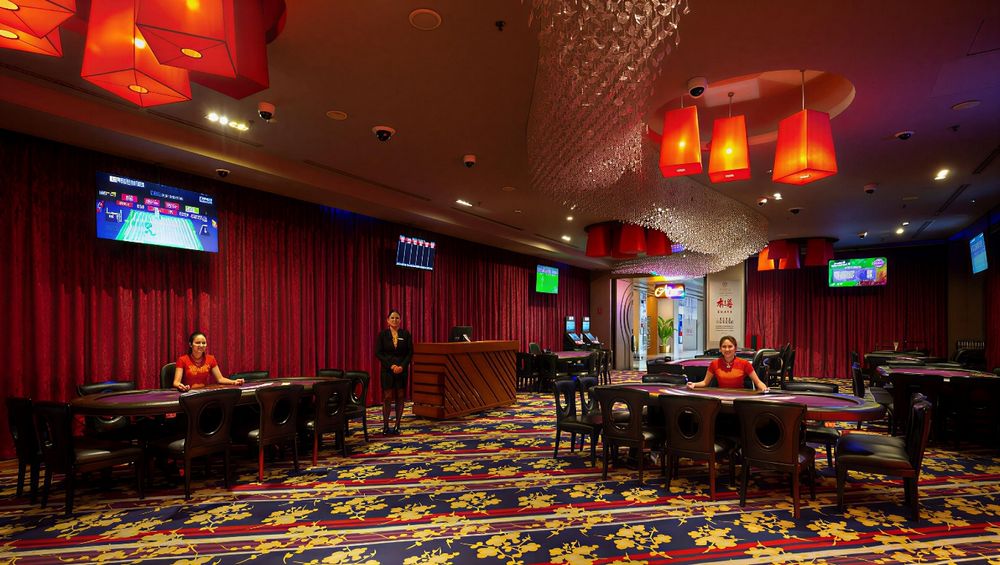
At the center of this performance is NagaWorld, the largest integrated resort in the Mekong region and the only licensed casino in Phnom Penh, operating under a 70-year license through 2065 with 200 km exclusivity until 2045. The complex includes over 1,600 hotel rooms, more than 300 gaming tables, MICE facilities, and over 20 entertainment and F&B outlets, positioning it as a key driver of tourism and gaming activity in the capital.
Cambodia’s regulatory framework is governed by the Law on the Management of Commercial Gaming (2020), which establishes licensing, operational controls, AML requirements, and sector supervision. Enforcement is led by the Commercial Gambling Management Commission (CGMC) under the Ministry of Economy and Finance, headed by Aun Pornmoniroth, overseeing compliance, licensing, and regulatory enforcement.
At the national level, Cambodia had over 195 licensed casinos in 2025, largely concentrated in border regions such as Preah Sihanouk, highlighting a fragmented but expanding market. Within this landscape, NagaWorld stands out as the dominant regulated asset in Phnom Penh due to its exclusivity.
It signals a deeper transformation of Cambodia’s gaming model. NagaCorp is proving that shifting away from volatile VIP dependence toward mass and electronic gaming can deliver stronger, more cash flows. At the same time, Cambodia is tightening regulatory oversight while sustaining sector growth, creating a market where scale, compliance, and financial discipline—not volume alone—define long-term competitiveness.