











The Dominican Republic reactivated in April 2026, the process to reorganize its gambling sector through Decree 197-26, a move by the Executive Power that strengthens fiscal and operational control over a market with more than 93,000 betting shops, points of sale and concessionaires registered. The decision does not create a new comprehensive gambling law but accelerates the formalization of a historically fragmented sector with high levels of informality.

The decree builds on the framework launched in 2022 under Decree 63-22 but introduces a structural shift. The Dirección General de Impuestos Internos, led by Pedro Porfirio Urrutia Sangiovanni, takes a central role in tax verification and in bringing operators into the formal fiscal regime. The process is coordinated by the Dirección de Casinos y Juegos de Azar, headed by Claudia Álvarez, within the Ministry of Finance and Economy, led by minister Magín Díaz.

The current legal framework combines legacy laws such as Law 494-06, which grants the Ministry of Finance authority to license and oversee the sector, with more recent regulations. On the digital side, Resolution 136-2024 established requirements to operate online gambling, while in February 2026 a National Self-Exclusion System was introduced, becoming mandatory for all operators and strengthening player control.

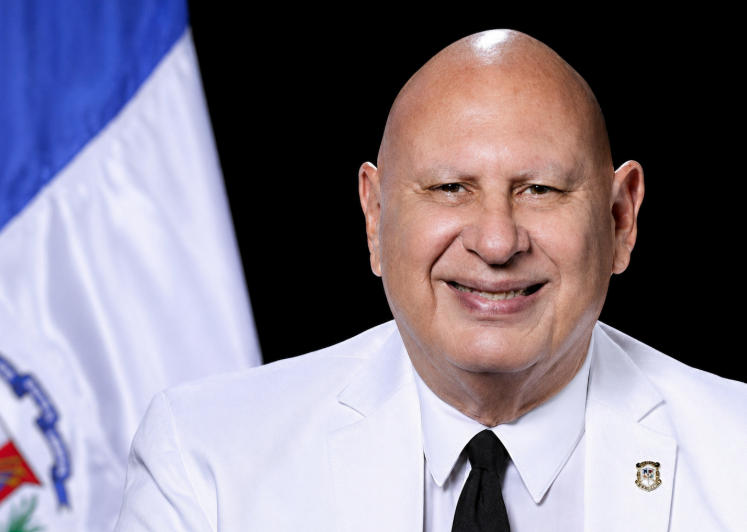
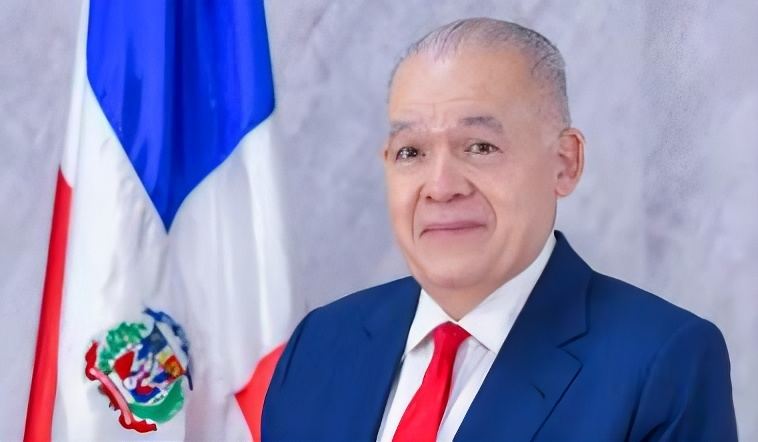
Magín Díaz
The universe of more than 93,000 registered establishments highlights the scale of the land-based market, although the country still does not publish a consolidated figure for total betting volume or number of players in 2026. This lack of visibility, combined with a high number of pending applications since 2022, drove the reactivation of the plan.

The impact is immediate, cause in the short term, the decree accelerates operator filtering and strengthens tax collection. In the medium term, it lays the groundwork for a comprehensive gambling law, currently under discussion in the Senate, aimed at unifying the regulatory framework.
The advantage is greater formalization and state control over a massive market. The risk is operational. The coexistence of legacy laws, decrees and resolutions may create regulatory friction until a unified legal framework is enacted. The Dominican Republic is thus entering a transition phase, where the growth of the gambling sector will depend on its ability to move from informality to a fully regulated and fiscally controlled model.