












Chile's gaming industry is facing a new regulatory dispute after the Internal Revenue Service (SII) issued Exempt Resolution No. 69, published on June 2, 2026, allowing foreign online betting operators, online casinos and remote gaming platforms to register, declare and pay Digital VAT on services provided to Chilean users. The measure was officially announced by the agency on June 3, prompting an immediate response from the country's land-based casino sector.

The decision was adopted by the SII, currently led on an interim basis by Carolina Saravia, and is based on Article 8 letter n) No. 2 of the Value Added Tax Law (LIVS) and Article 8 bis No. 1 of the Tax Code, provisions that require the tax authority to collect taxes on taxable digital services. The agency argued that its role is to administer and collect taxes, not to determine whether the underlying activity is legal or illegal.

Carolina Saravia
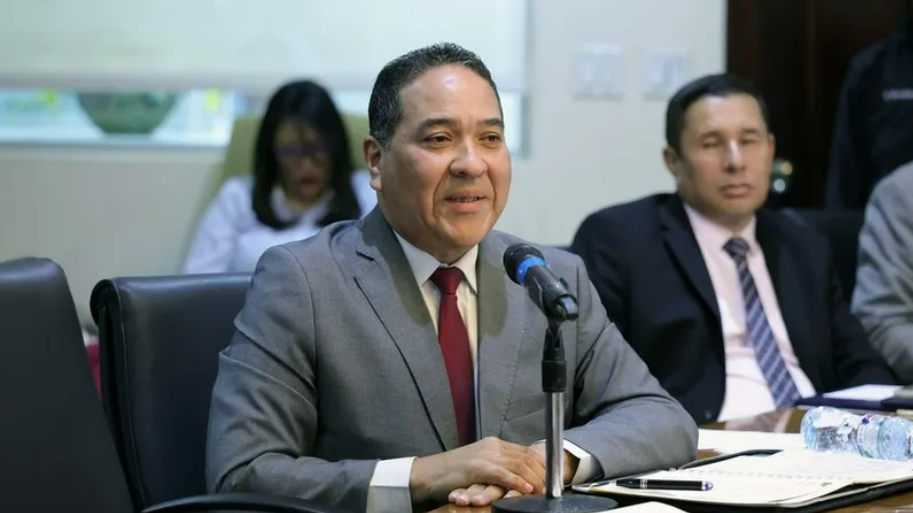
The Chilean Casino Association strongly opposed the measure. Its Executive President, Cecilia Valdés, argued that the resolution amounts to a potential “backdoor regularization” of operators that currently do not hold a specific license to offer online betting services in Chile. According to the association, allowing these platforms to register as taxpayers could create the perception of legitimacy for operators that continue to function within a regulatory gray area.

The controversy comes as Congress continues debating the bill that would regulate online betting platforms, identified as Bill No. 14838-03, originally introduced in March 2022 and currently under its second constitutional review. The legislation involves the Ministry of Finance, headed by Jorge Quiroz Castro, as well as the Ministry of Economy, the Ministry of Justice, and the Ministry of Health, and seeks to establish a comprehensive licensing, supervisory and taxation framework for the sector.

Cecilia Valdés

Oversight of Chile's land-based casino industry remains under the authority of the Superintendence of Gaming Casinos (SCJ), led by Vivien Villagrán Acuña, while the new tax resolution has opened an additional institutional front. Several political groups have already announced plans to challenge the measure before the Office of the Comptroller General of the Republic, seeking a legal review of SII’s decision. What happens next could prove decisive for the Chilean gaming market, as lawmakers must determine whether the country will finally adopt a fully regulated online betting framework or continue operating under the legal uncertainty that has defined the sector in recent years.