

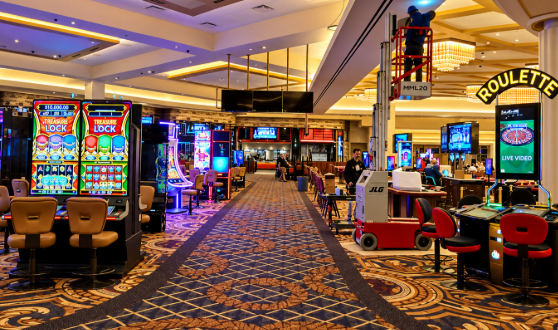









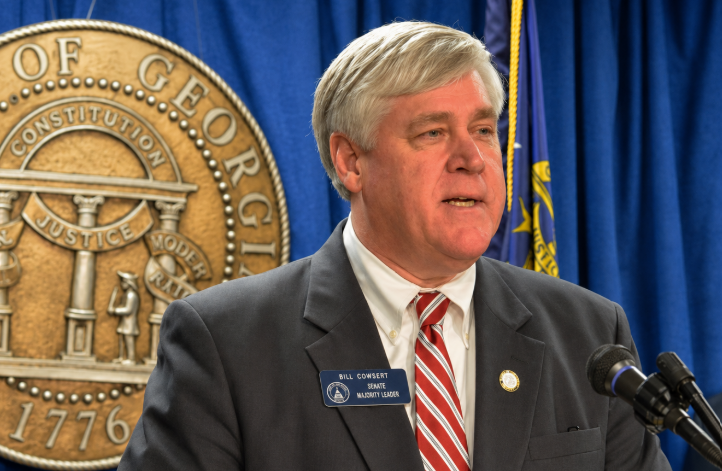
Georgia reopened the debate on September 2, 2026 over how much Coin-Operated Amusement Machines (COAMs) should contribute to the state, after Republican Senator Bill Cowsert, representing District 46 and serving during the 2026 session as chairman of the Senate Committee on Regulated Industries and Utilities, questioned why Class B skill games return only 13% of their net receipts to the Georgia Lottery Corporation (GLC).
- Pennsylvania rules skill games as Kansas and Missouri casino revenue tops US$223 million

Cowsert argues that the current share is too low and has supported raising it to around 30%, comparing Georgia with models such as Illinois, where so-called slot routes can return approximately 33% to the state. Georgia had already increased the share from 10% to 13% on May 12, 2024, through House Bill 353, a reform of the Georgia Lottery for Education Act.
HB 353 also strengthened COAM licensing, marketing, redemption rules and administrative procedures. From July 1, 2026, legal rewards are concentrated on replay credits, lottery products and approved gift cards, while direct cash payouts remain prohibited.
The industry opposes another increase. Les Schneider, attorney and lobbyist for the Georgia Amusement & Music Operators Association, argues that operators already pay revenue sharing, licensing fees, sticker fees, local taxes and property taxes totaling more than US$50 million annually in additional costs. Active suppliers include Lucky Coin, GA Skill Games, Bulldog Gaming, Pimero Games and Betson.
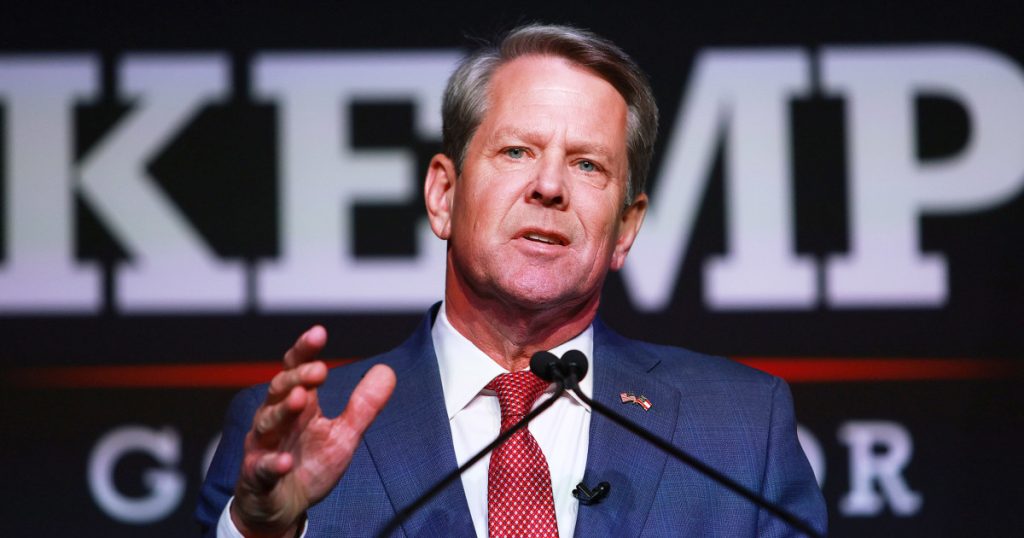
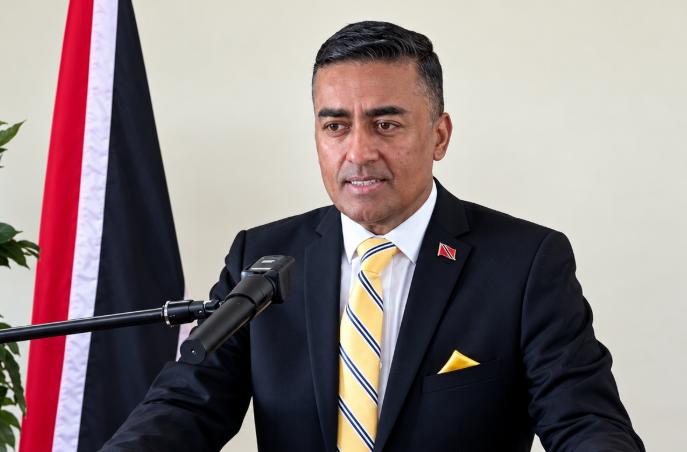
Governor Brian P. Kemp
The latest detailed financial data from the Georgia Lottery show US$146.3 million in COAM revenue sharing, plus US$13.9 million in licensing fees, US$3.3 million in fines and US$3.3 million in other income. The GLC, led by Gretchen Corbin, transferred a record US$1.540868 billion to education in FY2026, mainly supporting the HOPE Scholarship and Georgia Pre-K programs.

The debate also covers tax advantages. Georgia Code §48-8-3(43) maintains a sales and use tax exemption for COAMs, with an estimated FY2026 cost of US$70 million to the state and US$59 million to local governments. Governor Brian P. Kemp remains in office, while the industry argues that higher public revenue should come from expanding regulated locations and devices rather than raising the state share to 30%.