










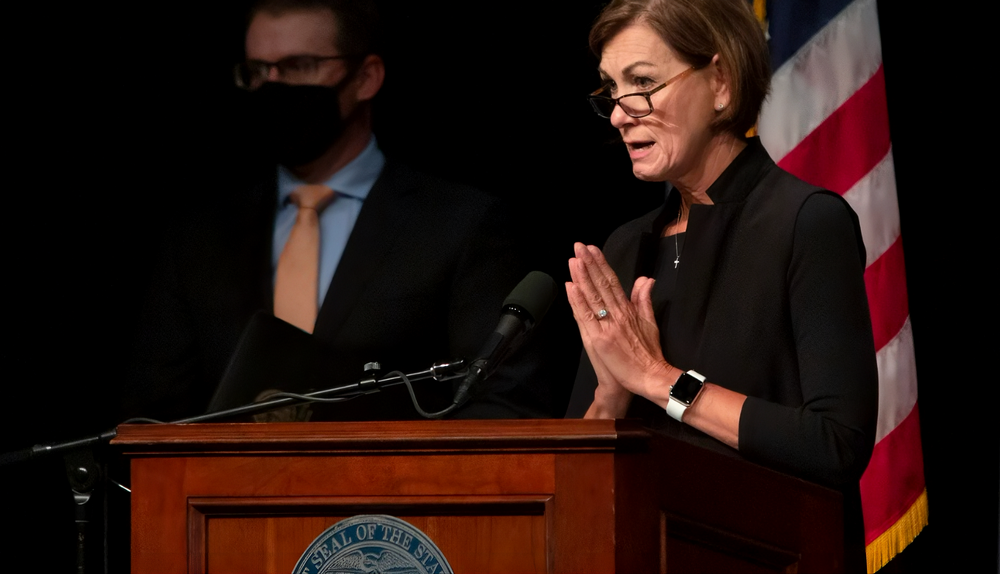
Starting July 1, Iowa will implement a new gambling enforcement framework after Governor Kim Reynolds signed Senate File 2289 (SF 2289), a law designed to strengthen the authority of the Iowa Racing and Gaming Commission against unlicensed sweepstakes casinos and illegal betting operators. The legislation represents one of the most significant U.S. gaming regulatory moves of 2026 and was approved unanimously by both legislative chambers before being signed into law on May 15.

The central change is that Iowa regulators will now be able to issue formal cease-and-desist orders, seek injunctive relief and pursue direct enforcement actions against operators offering gambling products, sports betting or dual-currency sweepstakes models without state authorization. Until now, the commission had limited authority over offshore and unlicensed platforms targeting Iowa residents without paying taxes or complying with responsible gaming standards.
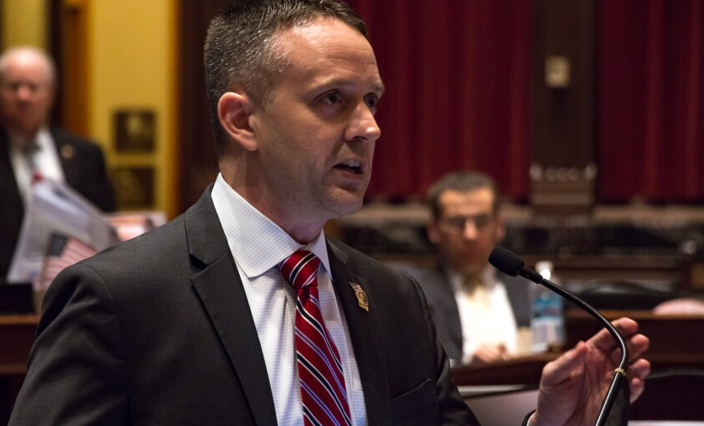
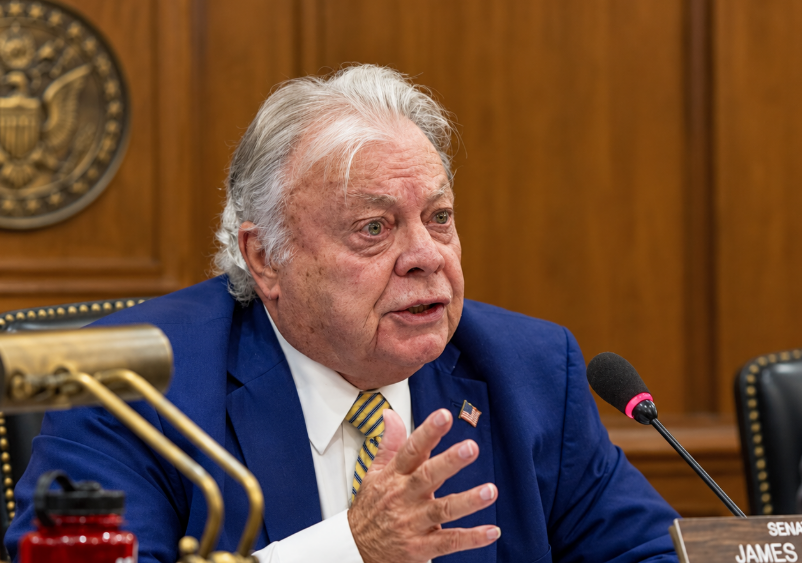
Senator Dan Dawson
The initiative was promoted by the Iowa Department of Inspections, Appeals and Licensing (DIAL) and publicly supported by Senator Dan Dawson, who argued that grey-market platforms were undermining licensed operators investing under Iowa’s regulatory system. Commission administrator Tina Eick stated the reform gives regulators stronger enforcement mechanisms to protect the integrity of the legal market.
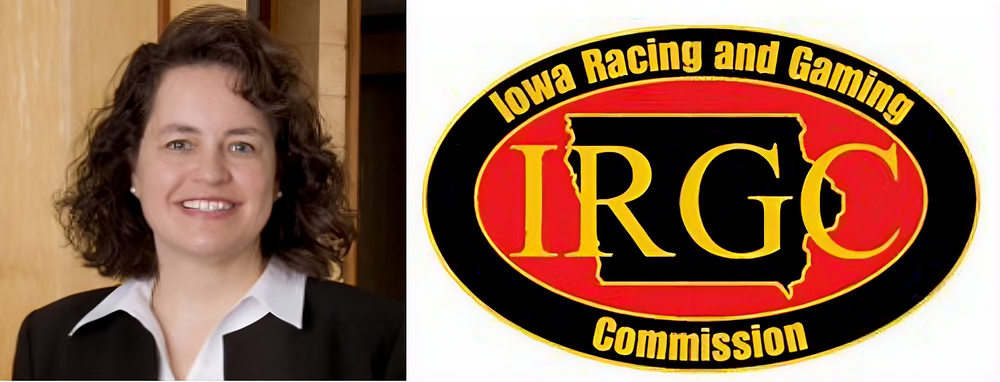
Commission administrator Tina Eick
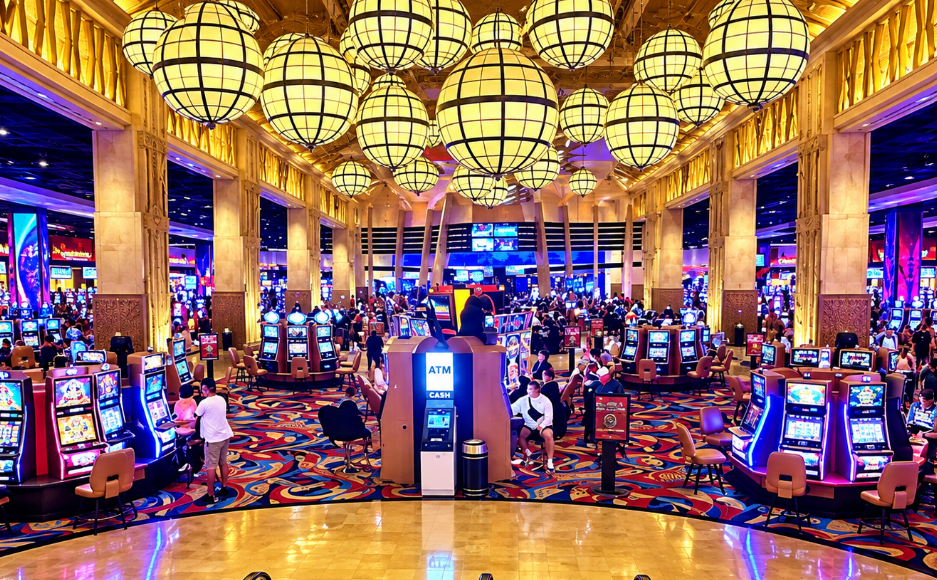
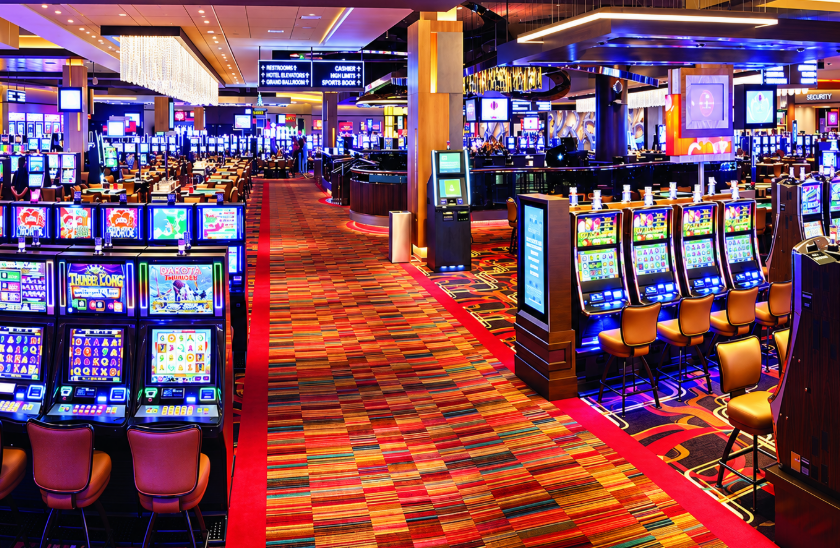
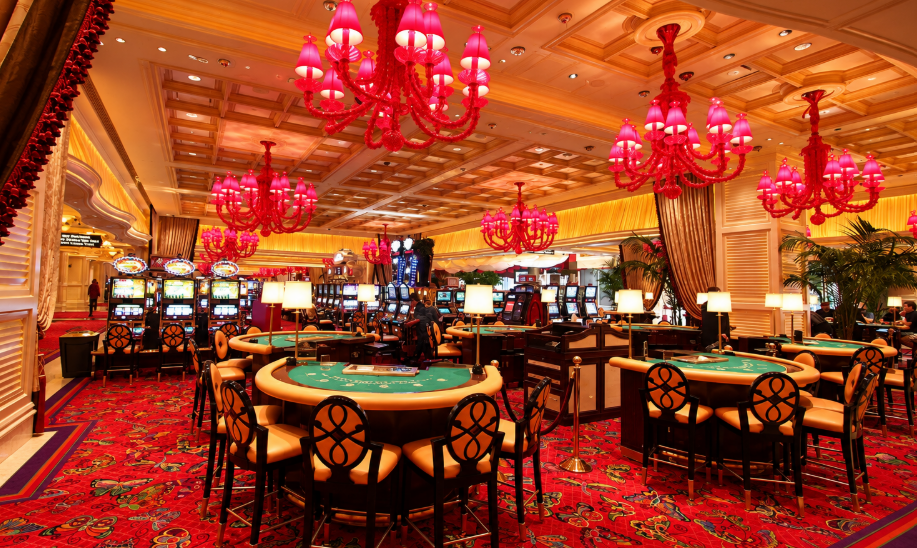
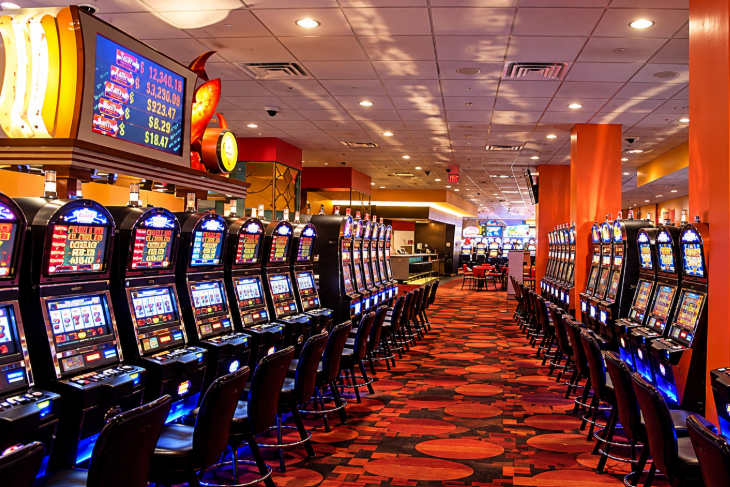
SF 2289 amends sections 99D, 99E and 99F of the Iowa Code, strengthening controls over sports wagering, fantasy sports, pari-mutuel betting and gambling operations. Iowa still prohibits traditional online casino gaming but maintains a mature regulated market for land-based casinos and legal sports betting. In February 2026 alone, Iowa casinos generated approximately US$136.2 million in adjusted gross revenue, contributing nearly US$25.7 million in state gaming taxes.

The law also updates gambling-related withholding rules and tax reporting standards aligned with federal U.S. requirements. For the regulated gaming industry, the legislation is widely viewed as positive because it strengthens the value of state licenses, protects tax revenue and increases pressure on sweepstakes casino operators functioning outside the traditional regulated gaming framework in the United States.