




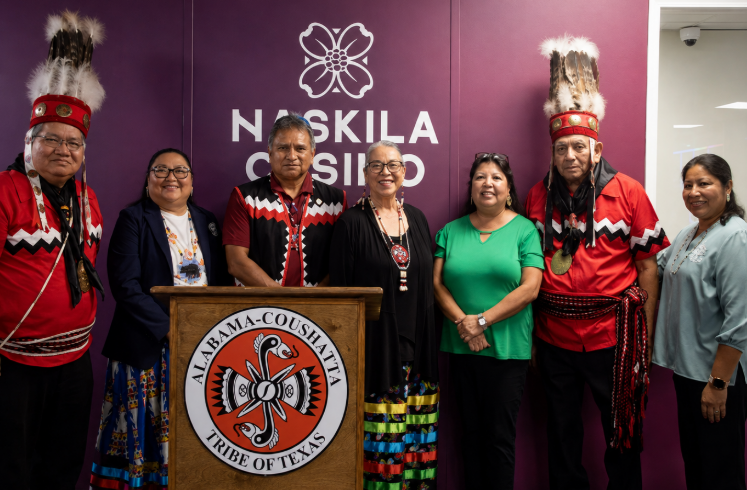
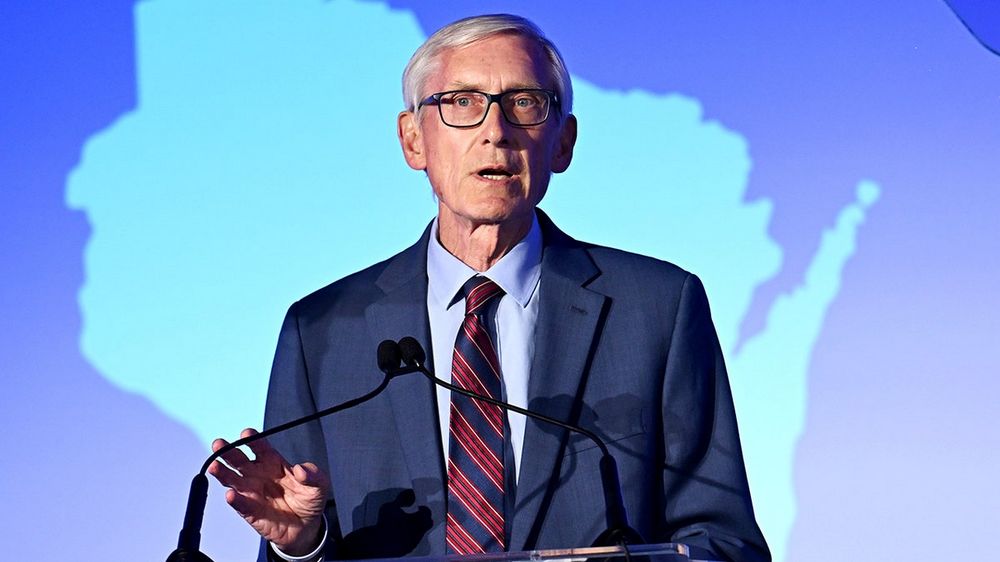
Five days after its enactment, Wisconsin is moving to implement online sports betting following the signing on April 9, 2026, of Assembly Bill 601, now 2025 Wisconsin Act 247, by Governor Tony Evers. The move positions Wisconsin as the 33rd U.S. state to legalize digital wagering, but under a distinct framework: a closed, tribal-controlled model rather than the open commercial systems seen in states like New York or New Jersey.

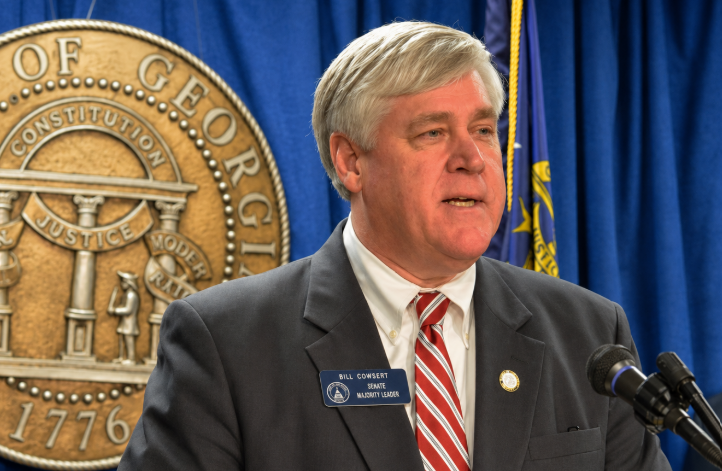
The bill advanced through the legislature via voice vote in the Assembly and a 21–12 Senate approval on March 17, 2026, driven by lawmakers including Tyler August, Kalan Haywood, Howard Marklein and Kristin Dassler-Alfheim. Governor Evers conditioned his approval on unified backing from the state’s 11 federally recognized tribes, which formally endorsed the framework on April 8.
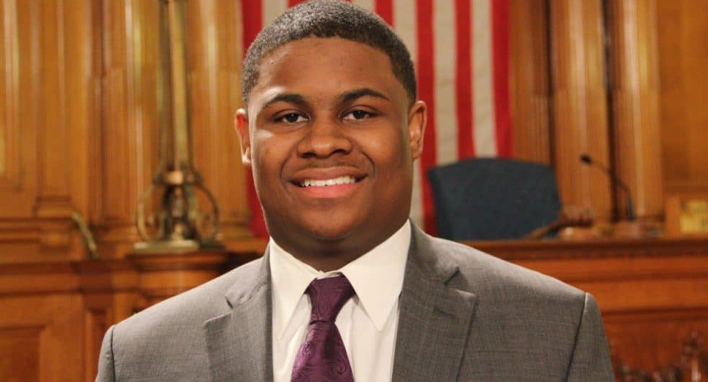
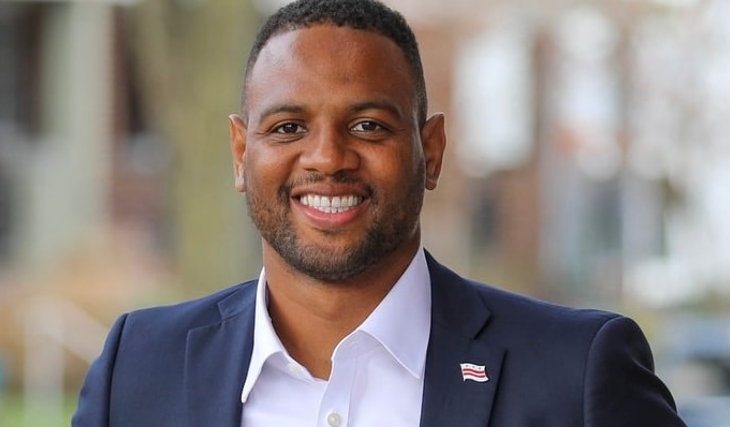
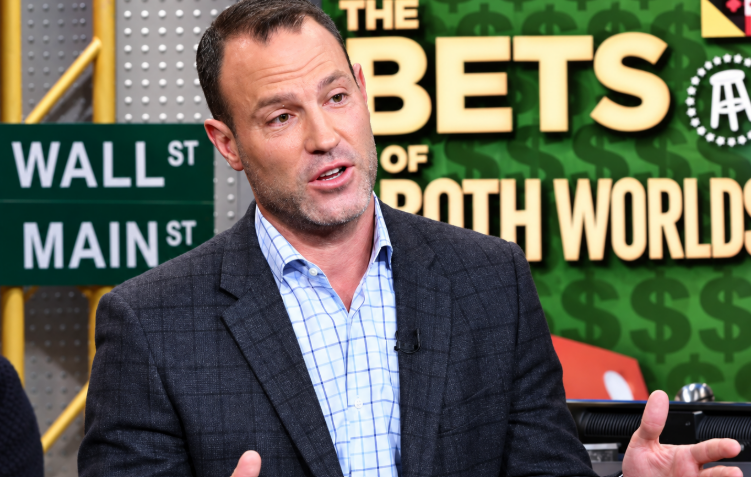
Kalan Haywood
Legally, the measure creates a targeted exemption within Wisconsin’s criminal code, allowing mobile sports bets provided they are processed through servers physically located on tribal lands and governed by state-tribal compacts under the Indian Gaming Regulatory Act. This enables a “hub-and-spoke” model, where bettors can place wagers statewide, but transactions are legally deemed to occur on tribal land.
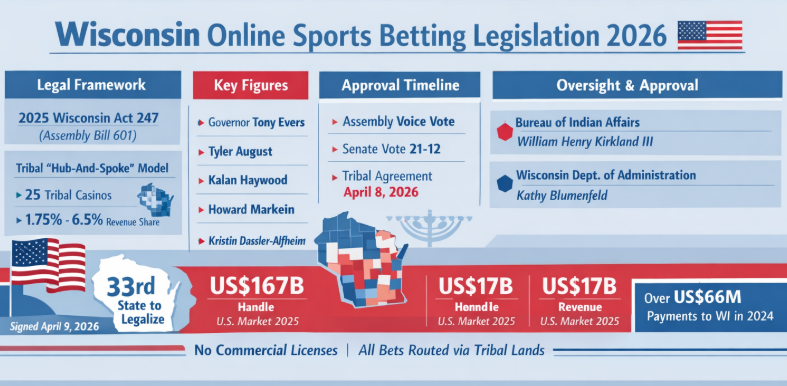
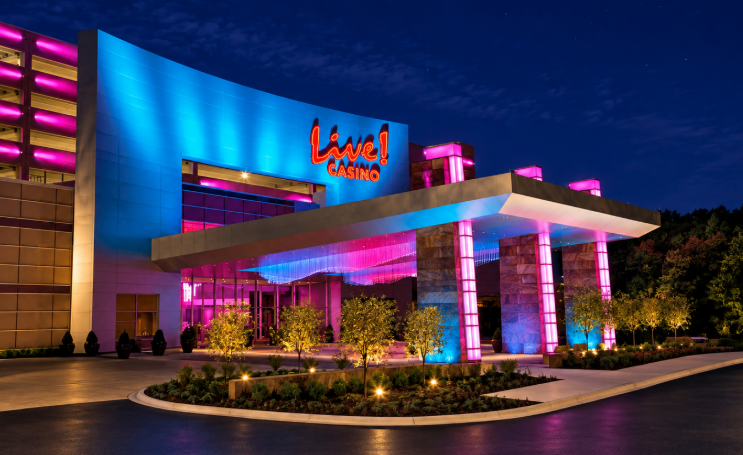
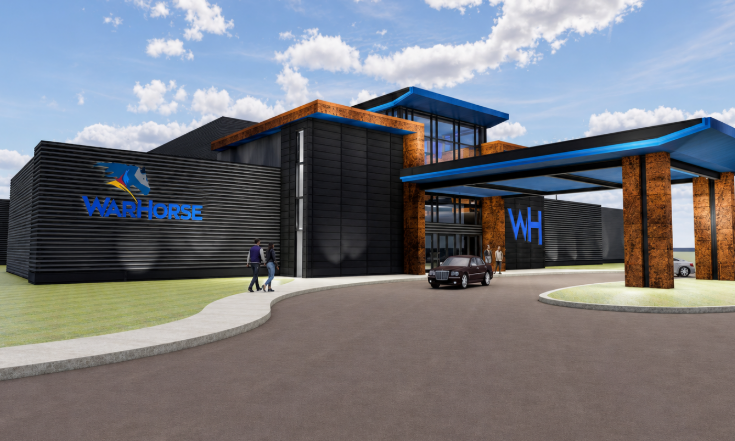
The system does not introduce open licensing or a standard statewide tax. Instead, it maintains the compact structure: tribes—operating 25 gaming facilities—contribute between 1.75% and 6.5% of net win, generating over US$66 million in 2024 for the state. No official projection has been released for the online segment, though the broader U.S. market recorded US$167 billion in handle and US$17 billion in revenue last year.
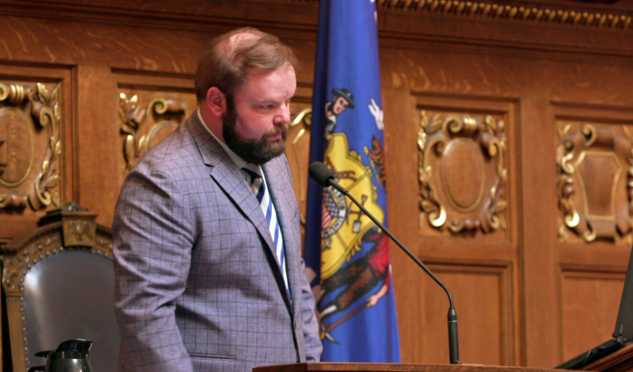
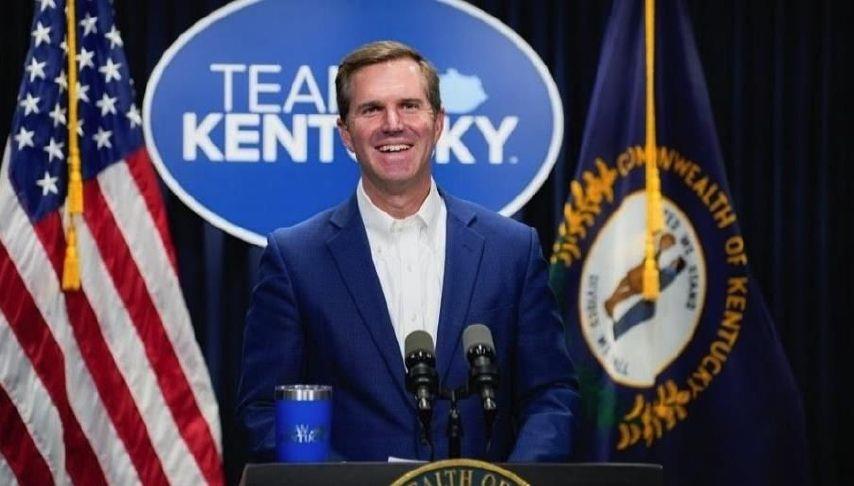
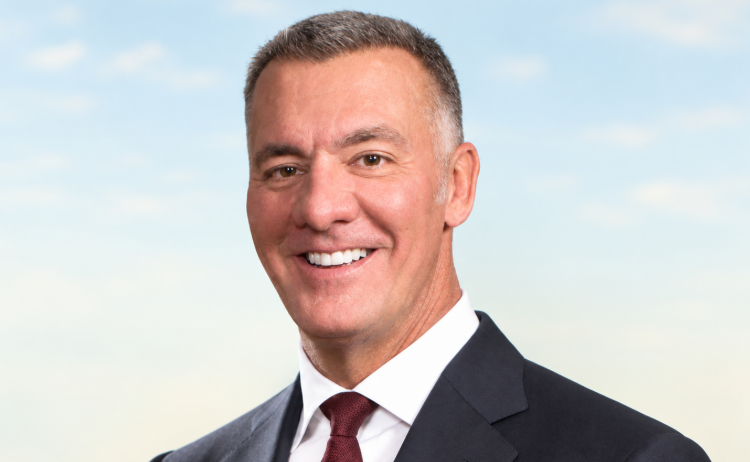
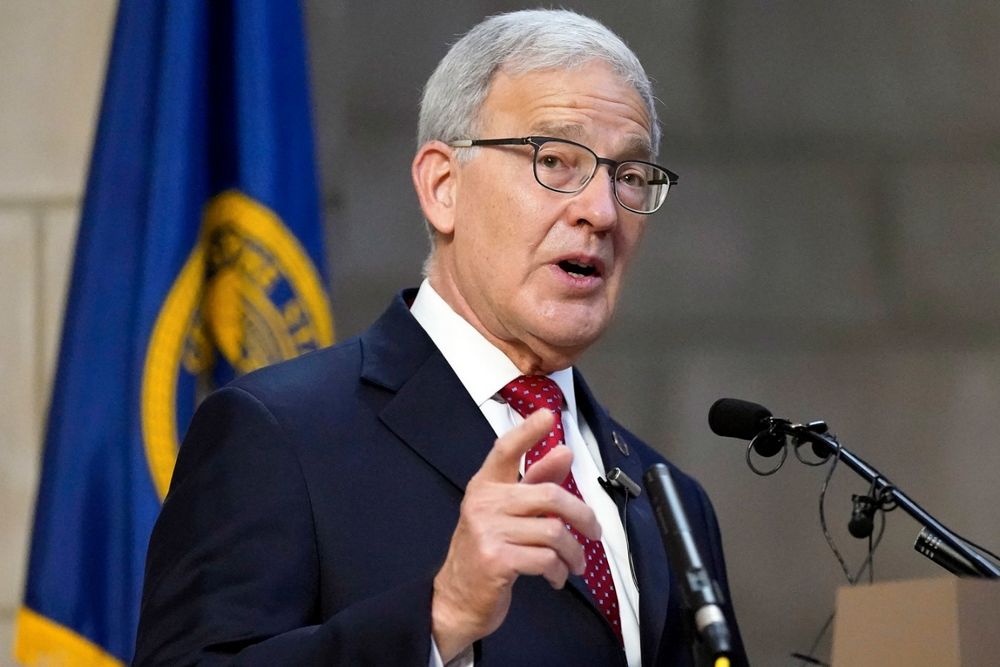
Tyler August
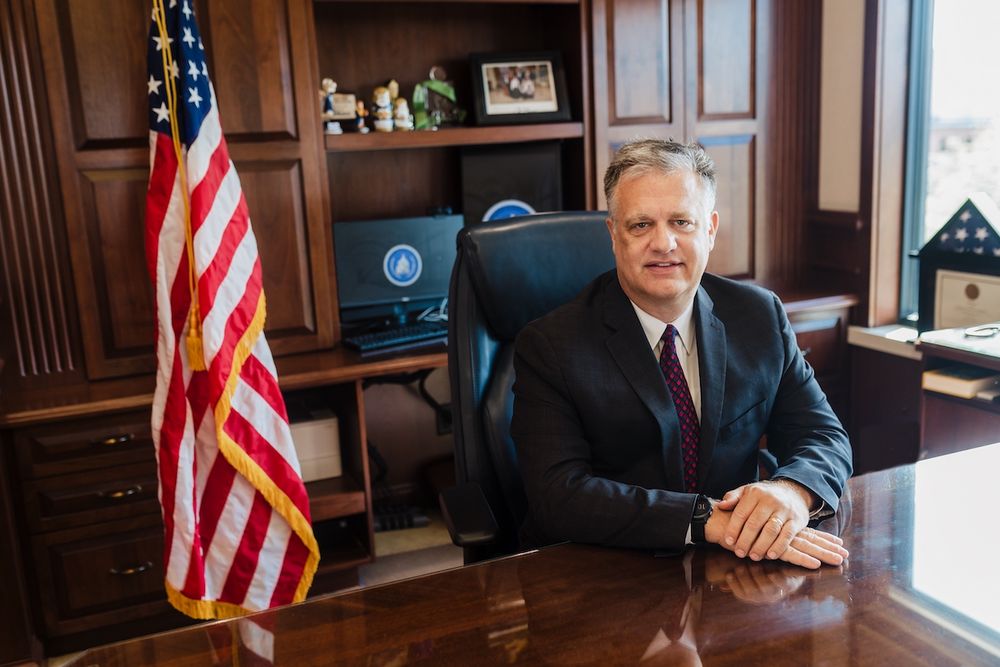
Implementation now hinges on renegotiating tribal compacts and securing federal approval from the Bureau of Indian Affairs, under William Henry Kirkland III. At the state level, oversight will fall to the Wisconsin Department of Administration, led by Kathy Blumenfeld.
While the Sports Betting Alliance—representing operators like DraftKings and FanDuel—has opposed the model, Wisconsin is opting to expand digital betting without dismantling its tribal framework, setting the stage for a negotiation phase that will ultimately determine the market’s economic scale.