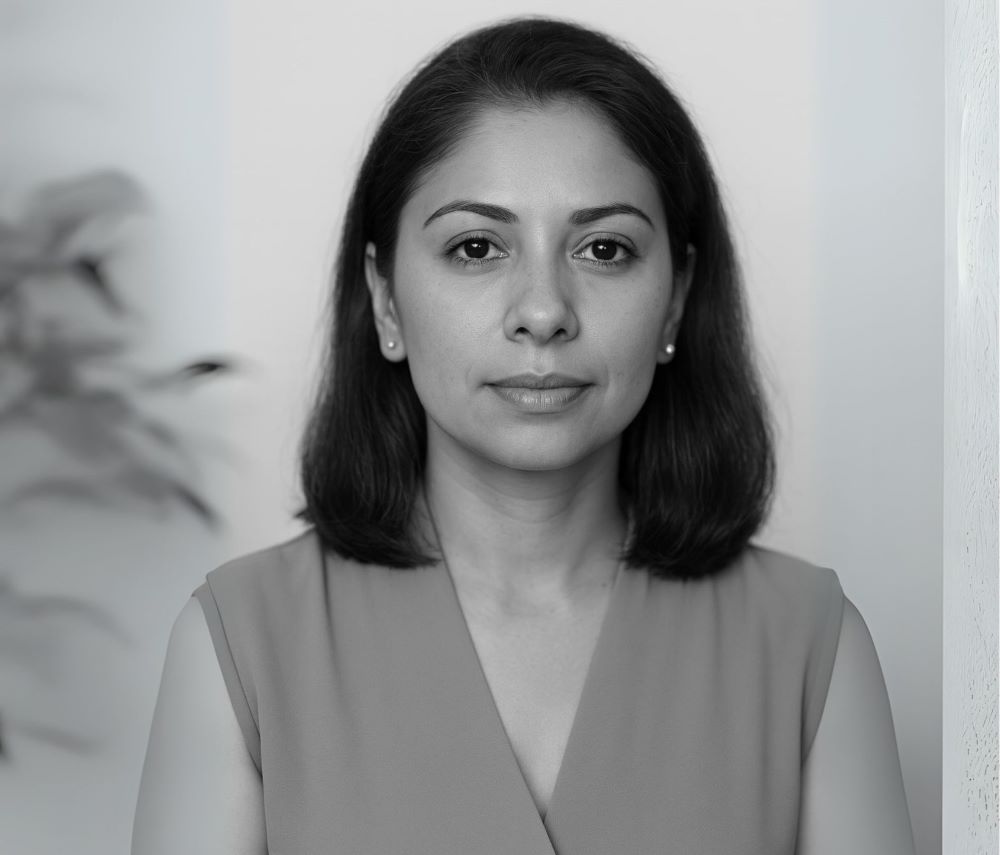






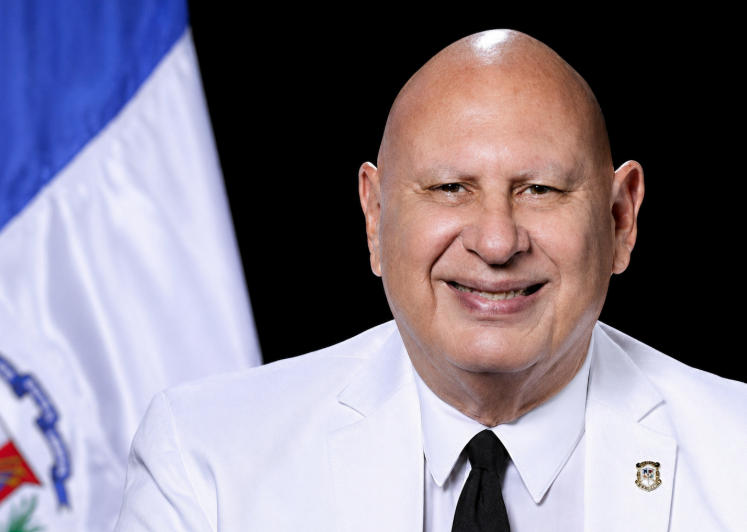

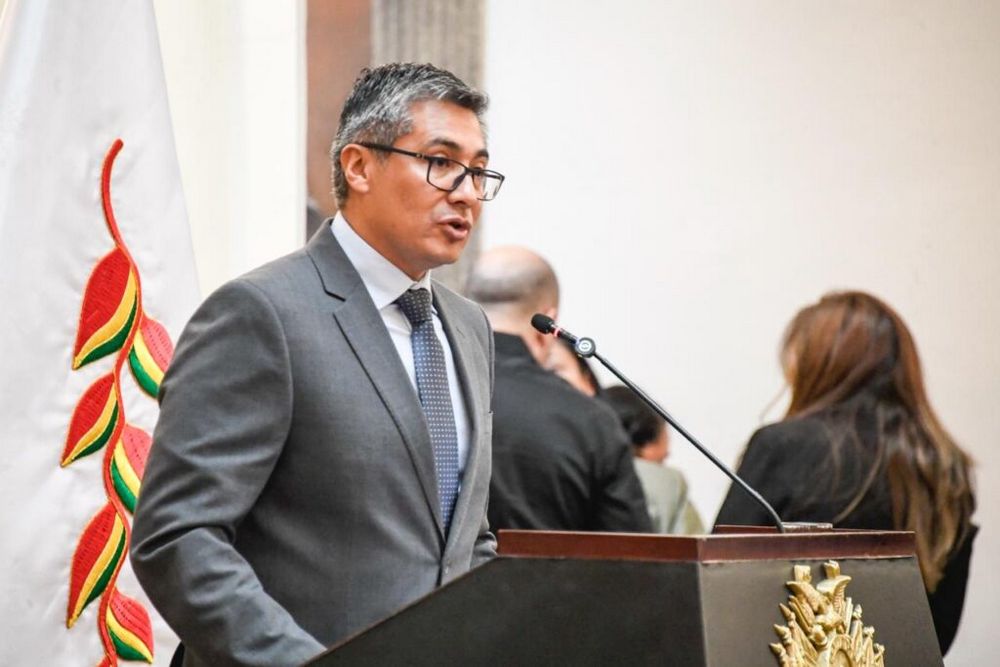
Bolivia is positioning regulated gaming as part of its economic recovery in 2026. Under Law No. 060 on Lottery and Games of Chance, the country maintains a strict state-controlled model through the -Autoridad de Fiscalización del Juego (AJ)-, led by Melissa Joseline Sánchez Gisbert and attached to the Ministry of Economy and Public Finance, headed by José Gabriel Espinoza Yáñez.
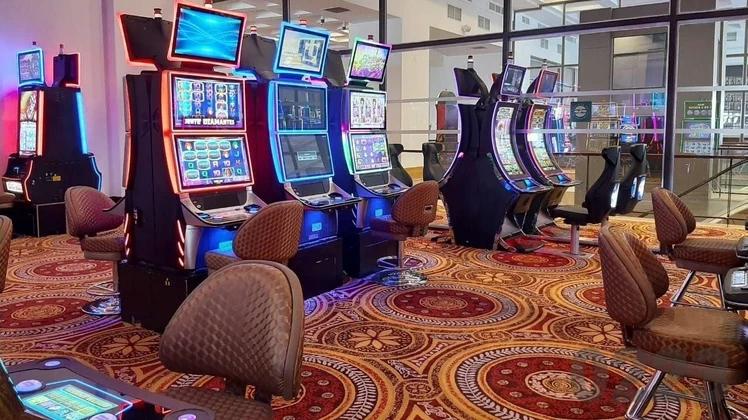
The key figure in the sector: more than 1,200 active licenses, mainly for gaming machines and authorized operators. This expansion reflects a formalization strategy aimed at reducing illegal activity and increasing tax collection through inspections, sanctions, and direct market oversight.
The market is estimated at US$300 million to US$500 million annually, with room for growth as more operators transition into the legal system. Regulation requires prior authorization, operational registration, and continuous supervision, ensuring that every gaming activity is monitored and controlled.
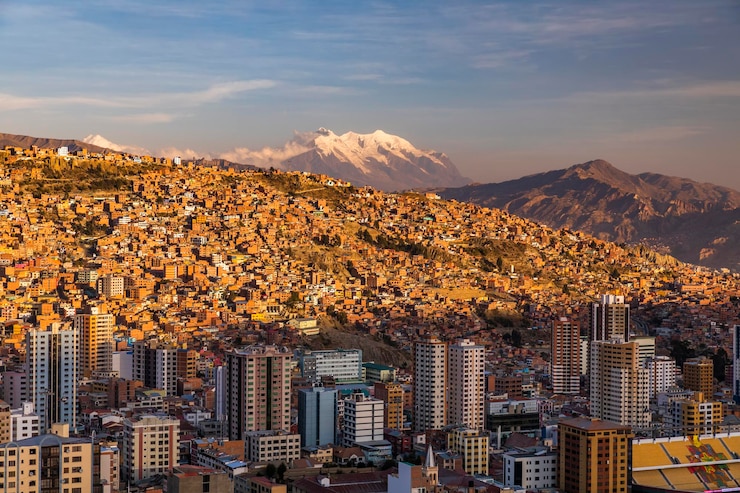
At the same time, Minister Espinoza projects positive economic growth for Bolivia in 2026, supported by the formalization of key sectors. Within this framework, regulated gaming emerges as a relevant contributor: more licenses translate into higher economic activity, stronger fiscal control, and increased state revenue capture.
The message is clear: Bolivia is not only regulating gaming—it is integrating it into its growth strategy. In line with regional trends, the country is moving toward a more formal, transparent, and economically relevant gaming market within Latin America.