







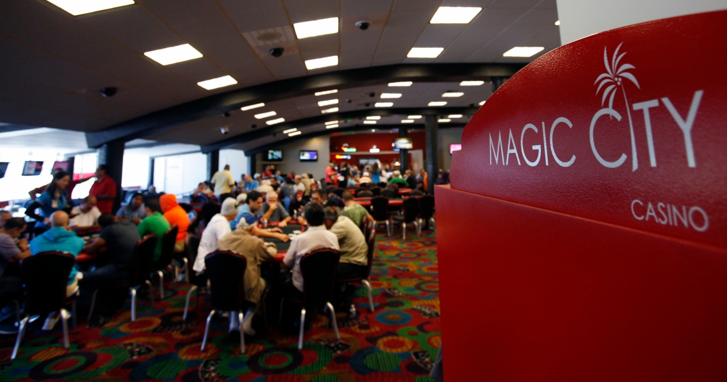

California temporarily suspended one of the most controversial gaming regulatory reforms in the United States after California cardrooms secured a preliminary injunction against new state gambling rules that directly threatened blackjack operations, banked-style games and player-dealer systems across dozens of gaming venues statewide.

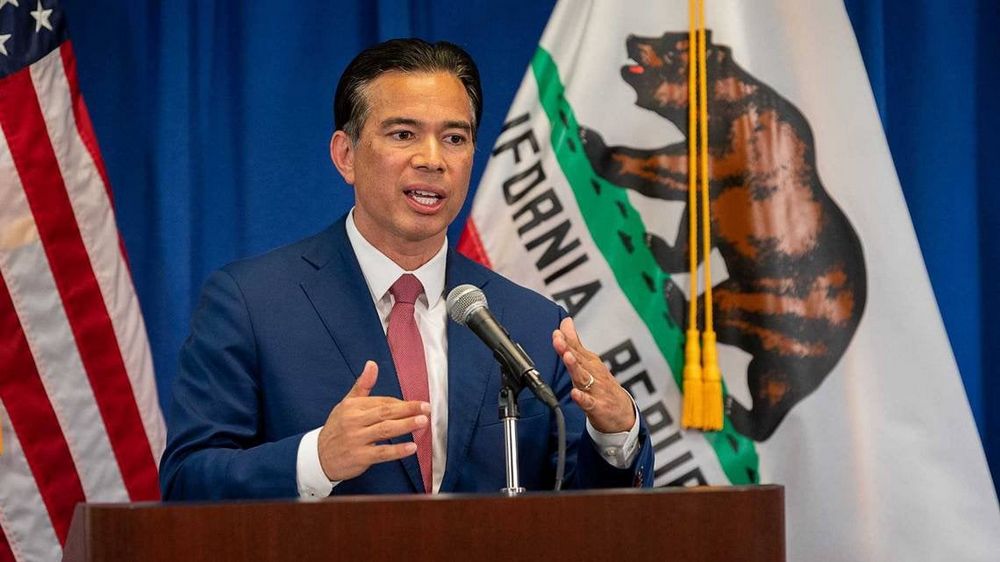
The ruling was issued on May 21, 2026, by Judge Richard Darwin of the San Francisco Superior Court and freezes for at least 45 days two regulatory packages promoted by the Bureau of Gambling Control, an agency operating under the California Department of Justice led by Attorney General Rob Bonta.

James Siva
The dispute centers on blackjack-style games and “player-dealer rotation” rules used by California cardrooms to avoid directly banking games. The regulations had been approved on February 9, 2026, and officially entered into force on April 1, requiring operators to submit updated compliance plans before May 31, 2026.
The two regulatory packages challenged in court were:
- the amendments to Title 4, Division 18 of the California Code of Regulations regarding Blackjack-Style Games;
- and the revised regulations governing Third-Party Proposition Player Services (TPPPS) and Player-Dealer Rotation Procedures.
The cardrooms argue that the Bureau exceeded its authority under the California Gambling Control Act, the core law regulating controlled games, cardroom licensing and gaming operations in California. According to the court, there is a substantial likelihood that the agency acted beyond its legal jurisdiction.

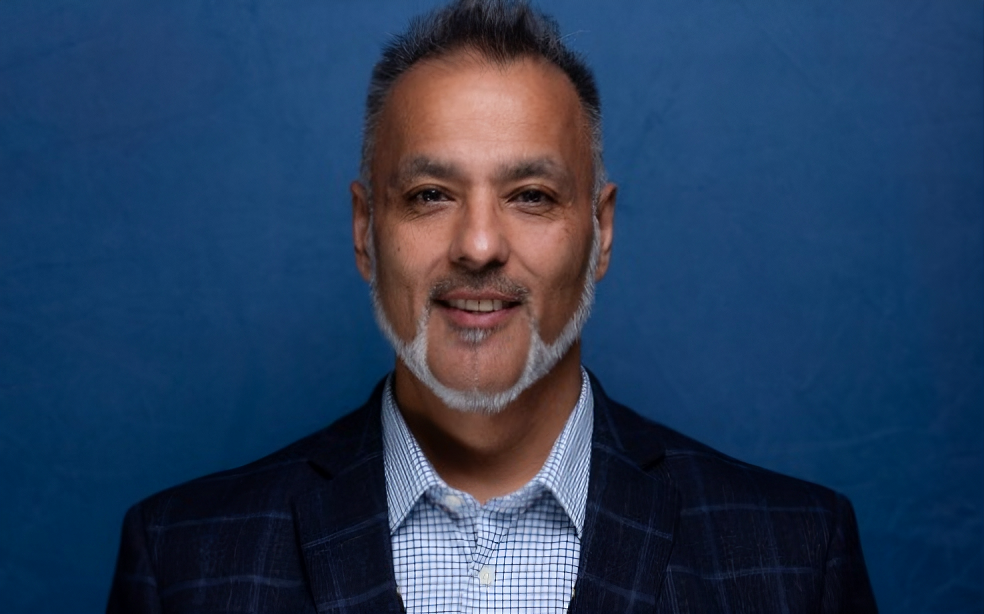
Kyle Kirkland
The legal battle also involves tribal groups represented by the California Nations Indian Gaming Association, chaired by James Siva, who argue that certain games offered by cardrooms violate tribal exclusivity rights over banked games under state and federal tribal gaming compacts.
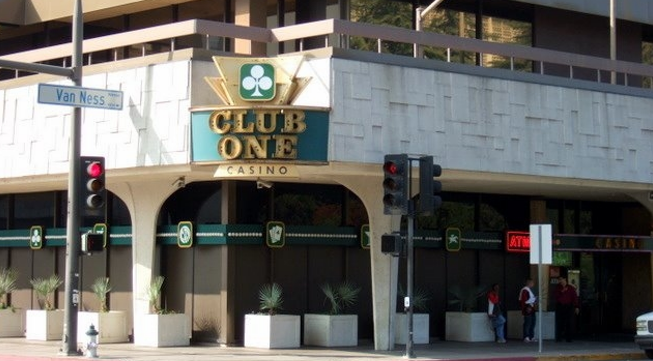
The cardroom industry is represented by the California Gaming Association led by Kyle Kirkland, owner of Club One Casino in Fresno. Industry representatives warn that the regulations could threaten up to 70% of cardroom revenue, nearly 20,000 jobs and hundreds of millions of dollars in local tax revenue.
The financial impact is already visible. Cities such as Commerce and Bell Gardens declared fiscal emergencies due to the potential collapse of casino-related tax income. In Bell Gardens, Parkwest Bicycle Casino alone represents approximately 40% of the city’s general fund revenue.

The next major regulatory milestone will arrive on June 30, 2026, when the court will hold another hearing that could redefine the balance of power between cardrooms, tribal operators, gaming regulators and California’s broader gambling market.