




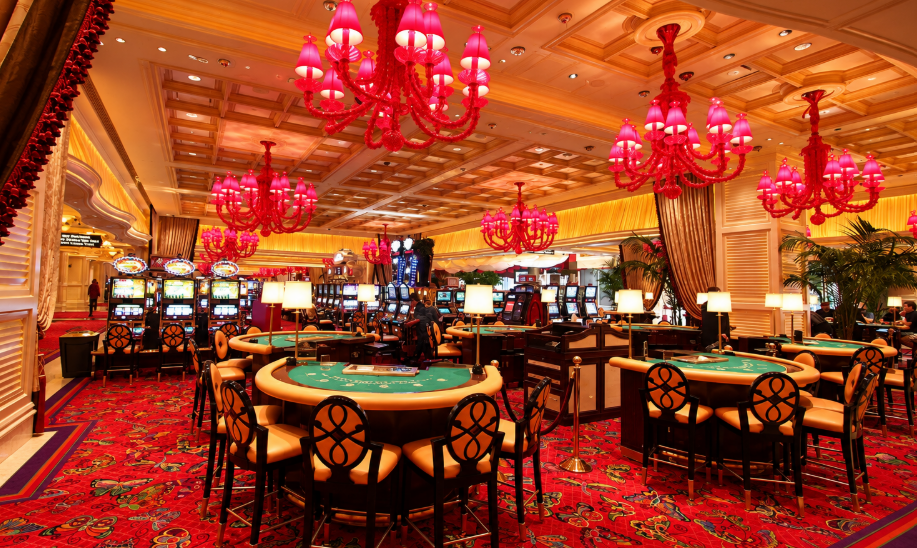







The Lumbee Tribe of North Carolina has moved forward with plans for a new casino after approving on April 16, 2026, Resolution CLLO-2026-0416-02, which amends its constitution to authorize gaming activities. The Lumbee Tribal Council passed the measure 17–2, and the decision now moves to a referendum among the full tribal membership, a required step before any development. As of May 4, 2026, the project remains in the pre-referendum phase.

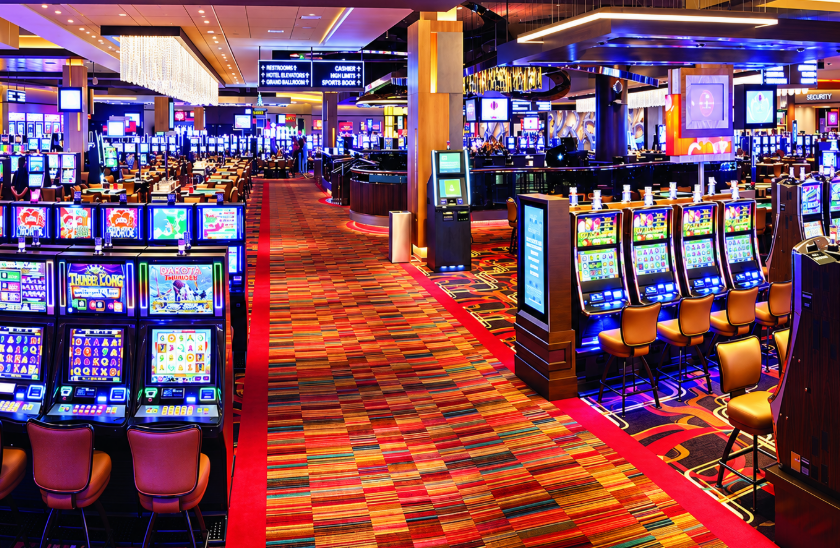
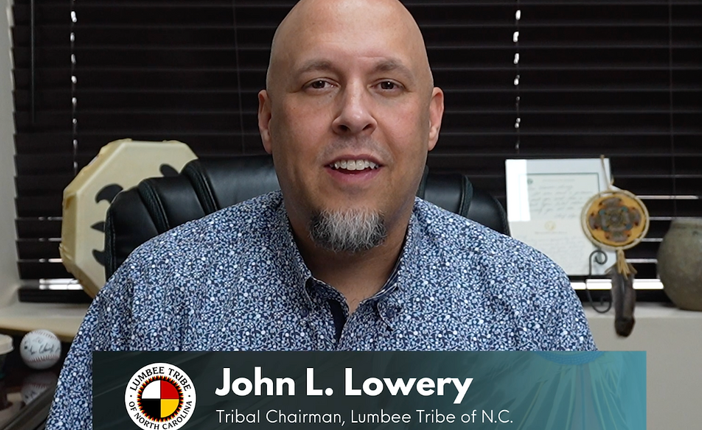
The initiative is led by Tribal Chairman John L. Lowery, who has outlined a casino resort development on approximately 241 acres acquired for at least $6 million near Interstate 95 in Robeson County. The project could include retail, golf, entertainment and hospitality, with an estimated impact of up to 3,000 jobs.
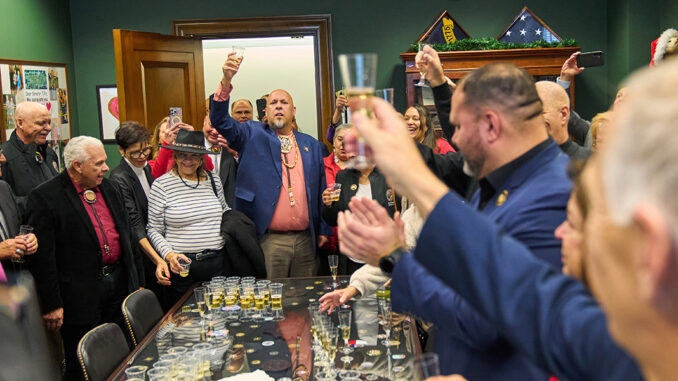
The amendment would allow the tribal government to authorize gaming, issue licenses, establish its own regulatory body and negotiate a Tribal-State compact with North Carolina. The federal context is governed by the Indian Gaming Regulatory Act (1988), which requires federal recognition, eligible tribal lands and approval from the U.S. Department of the Interior for Class III casino gaming. At the state level, tribal gaming is governed by N.C. Gen. Stat. S71A-8, enabling casino operations through agreements with the governor.
The project gained momentum following federal recognition of the tribe approved on December 17, 2025, unlocking access to public funding estimated between $70 million and $80 million annually and enabling formal economic development through gaming.
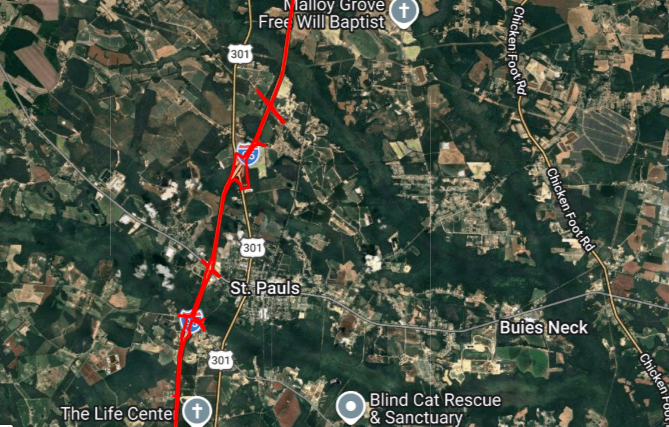
North Carolina already hosts tribal operators such as the Eastern Band of Cherokee Indians and the Catawba Indian Nation, but the Lumbee entry would expand the market along the I-95 corridor, one of the most heavily trafficked routes in the United States.

The move positions gaming as a core economic driver for the tribe and reinforces sector growth in a state that has already generated more than $250 million in tax revenue since legal sports betting launched in 2024, signaling strong expansion potential as new casino developments capture tourism and interstate demand.